
PMGKAY Free Ration: Know the Eligibility Rules, Monthly Quota and How Beneficiaries Receive Food Grains

Ration card holders covered by the National Food Security Act can receive food grains without paying for the entitled quantity under the Pradhan Mantri Garib Kalyan Anna Yojana. The programme covers two key beneficiary groups: Antyodaya Anna Yojana households and Priority Households.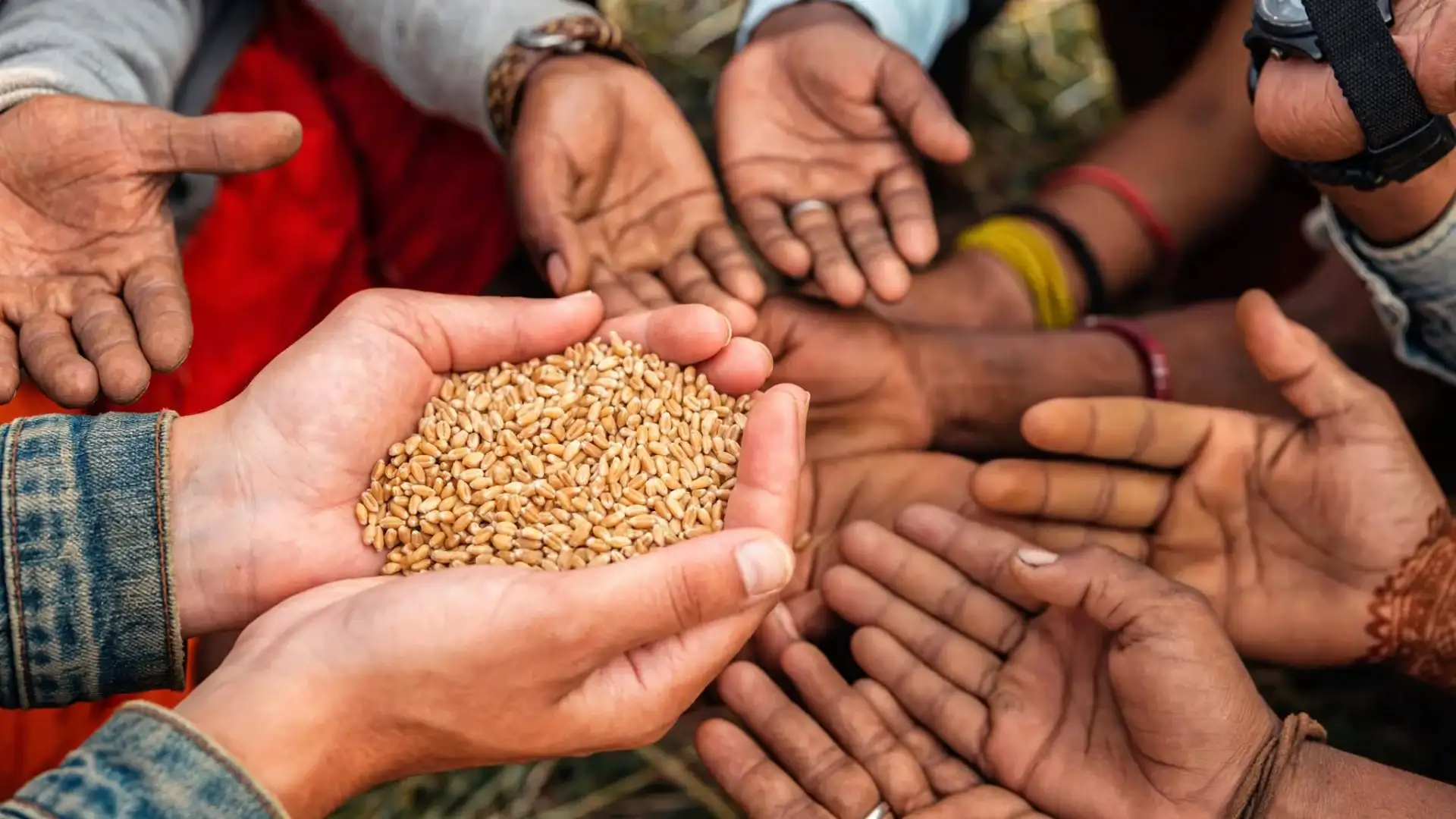
The quantity available is not the same for everyone. AAY households receive food grains based on the household, while PHH beneficiaries receive an entitlement based on the number of eligible people in the household.
The free foodgrain programme was subsequently continued in a different form. From 1 January 2024, the government decided to continue providing food grains free of cost to about 81.35 crore beneficiaries covered under the NFSA for five years.
The present arrangement therefore runs from January 2024 through the five-year period approved by the government. It is intended to reduce the financial burden associated with essential food requirements for eligible households.
The programme covers beneficiaries under the Antyodaya Anna Yojana and Priority Household categories. These are the categories that determine how much food grain a beneficiary is entitled to receive.
An Antyodaya Anna Yojana household is entitled to 35 kg of food grains per household every month. This is a household-level entitlement, meaning the quantity does not increase according to the number of members in the family.
For Priority Households, the entitlement is 5 kg of food grains per person per month. Therefore, a PHH household with four eligible members would have an entitlement of 20 kg a month.
This distinction is important because a common misunderstanding is that every ration card holder receives the same quantity. The actual entitlement depends on the category under which the household or beneficiary is covered.
The food grains covered by the programme can include rice, wheat and coarse grains or millets, depending on the applicable allocation and distribution arrangements.
A person does not become eligible simply because they possess any type of ration card. The household or individual must fall within the eligible AAY or PHH category identified under the food security system.
States and Union Territories are responsible for identifying eligible beneficiaries and implementing distribution through the Public Distribution System.
For this reason, the exact details associated with a ration card, including the beneficiary category and entitlement, should be checked through the relevant state or Union Territory food and civil supplies system.
The ration card and the identification requirements prescribed by the relevant state or Union Territory are used during the distribution process. Many parts of the system also use electronic authentication and related digital mechanisms to improve transparency and reduce the possibility of duplicate or fraudulent claims.
The One Nation One Ration Card system also provides portability of foodgrain entitlements. This is particularly relevant for migrant workers and other beneficiaries who may not always live in the same location where their ration card was originally issued.
Under this portability arrangement, eligible beneficiaries can access their entitled food grains from participating Fair Price Shops outside their home location, subject to the applicable system and authentication requirements.
According to food-security experts, reducing this basic expense can leave families with greater room in their budgets for other necessities such as cooking fuel, education, healthcare and transport.
The benefit can be particularly important for households facing irregular income. When earnings fluctuate, having access to a regular foodgrain entitlement can provide some protection against sudden increases in essential household expenses.
The programme also forms part of the wider food-security framework built around the NFSA and the Public Distribution System.
The five-year continuation from January 2024 was approved with an estimated financial outlay of ₹11.80 lakh crore. The move was aimed at maintaining free access to food grains for eligible beneficiaries while strengthening the accessibility and affordability of the food distribution system.
The scale of the programme is considerable, with around 81.35 crore beneficiaries covered under the approved framework.
The relevant category is crucial. PMGKAY covers AAY households and PHH beneficiaries under the NFSA framework, with different monthly entitlements for the two groups.
A beneficiary should therefore check the category recorded against their ration card rather than relying on general claims about a fixed monthly quantity.
It is also important to remember that foodgrain distribution is administered through the states and Union Territories. Procedures concerning authentication, e-KYC and collection can therefore vary according to local implementation requirements.
The current five-year continuation began on 1 January 2024. Eligible beneficiaries can collect their entitlement through the Public Distribution System, with portability available under the One Nation One Ration Card framework.
For households that depend on the monthly ration allocation, understanding the category recorded on the ration card is essential. It determines the quantity they are entitled to receive and helps avoid confusion about the benefits available under the scheme.
Disclaimer: This content is for informational purposes only. Eligibility, distribution procedures and other administrative requirements may vary by state or Union Territory. Beneficiaries should check the latest applicable rules and their ration-card details through the relevant authorities before relying on the information.
The quantity available is not the same for everyone. AAY households receive food grains based on the household, while PHH beneficiaries receive an entitlement based on the number of eligible people in the household.
PMGKAY continues free foodgrain support
The Pradhan Mantri Garib Kalyan Anna Yojana was originally introduced during the COVID-19 crisis, when the pandemic caused severe economic disruption for millions of households.The free foodgrain programme was subsequently continued in a different form. From 1 January 2024, the government decided to continue providing food grains free of cost to about 81.35 crore beneficiaries covered under the NFSA for five years.
The present arrangement therefore runs from January 2024 through the five-year period approved by the government. It is intended to reduce the financial burden associated with essential food requirements for eligible households.
The programme covers beneficiaries under the Antyodaya Anna Yojana and Priority Household categories. These are the categories that determine how much food grain a beneficiary is entitled to receive.
How much free ration can beneficiaries get?
The monthly entitlement depends on the category mentioned above.An Antyodaya Anna Yojana household is entitled to 35 kg of food grains per household every month. This is a household-level entitlement, meaning the quantity does not increase according to the number of members in the family.
For Priority Households, the entitlement is 5 kg of food grains per person per month. Therefore, a PHH household with four eligible members would have an entitlement of 20 kg a month.
This distinction is important because a common misunderstanding is that every ration card holder receives the same quantity. The actual entitlement depends on the category under which the household or beneficiary is covered.
| Beneficiary category | Monthly foodgrain entitlement |
| Antyodaya Anna Yojana (AAY) | 35 kg per household |
| Priority Household (PHH) | 5 kg per person |
Who can receive the benefit?
The free foodgrain benefit is linked to eligibility under the NFSA and the beneficiary categories covered by the programme.A person does not become eligible simply because they possess any type of ration card. The household or individual must fall within the eligible AAY or PHH category identified under the food security system.
States and Union Territories are responsible for identifying eligible beneficiaries and implementing distribution through the Public Distribution System.
For this reason, the exact details associated with a ration card, including the beneficiary category and entitlement, should be checked through the relevant state or Union Territory food and civil supplies system.
How is free ration distributed?
Eligible beneficiaries generally collect their entitled food grains through Fair Price Shops under the Public Distribution System.The ration card and the identification requirements prescribed by the relevant state or Union Territory are used during the distribution process. Many parts of the system also use electronic authentication and related digital mechanisms to improve transparency and reduce the possibility of duplicate or fraudulent claims.
The One Nation One Ration Card system also provides portability of foodgrain entitlements. This is particularly relevant for migrant workers and other beneficiaries who may not always live in the same location where their ration card was originally issued.
Under this portability arrangement, eligible beneficiaries can access their entitled food grains from participating Fair Price Shops outside their home location, subject to the applicable system and authentication requirements.
Why the scheme matters to households
Food expenditure accounts for a significant share of the monthly budget of many low-income families. Free food grains can therefore reduce the amount a household needs to spend on staple cereals.According to food-security experts, reducing this basic expense can leave families with greater room in their budgets for other necessities such as cooking fuel, education, healthcare and transport.
The benefit can be particularly important for households facing irregular income. When earnings fluctuate, having access to a regular foodgrain entitlement can provide some protection against sudden increases in essential household expenses.
The programme also forms part of the wider food-security framework built around the NFSA and the Public Distribution System.
Government bears the cost of free food grains
Under the current PMGKAY arrangement, the central government bears the food subsidy cost associated with providing the entitled food grains free of cost to eligible beneficiaries.The five-year continuation from January 2024 was approved with an estimated financial outlay of ₹11.80 lakh crore. The move was aimed at maintaining free access to food grains for eligible beneficiaries while strengthening the accessibility and affordability of the food distribution system.
The scale of the programme is considerable, with around 81.35 crore beneficiaries covered under the approved framework.
Is everyone with a ration card eligible?
No. Having a ration card alone does not mean that every person is entitled to the same free ration benefit.The relevant category is crucial. PMGKAY covers AAY households and PHH beneficiaries under the NFSA framework, with different monthly entitlements for the two groups.
A beneficiary should therefore check the category recorded against their ration card rather than relying on general claims about a fixed monthly quantity.
It is also important to remember that foodgrain distribution is administered through the states and Union Territories. Procedures concerning authentication, e-KYC and collection can therefore vary according to local implementation requirements.
What ration card holders should remember
The most important point is that PMGKAY provides free food grains according to the prescribed NFSA entitlement. AAY households receive 35 kg per month, while PHH beneficiaries receive 5 kg per eligible person each month.The current five-year continuation began on 1 January 2024. Eligible beneficiaries can collect their entitlement through the Public Distribution System, with portability available under the One Nation One Ration Card framework.
For households that depend on the monthly ration allocation, understanding the category recorded on the ration card is essential. It determines the quantity they are entitled to receive and helps avoid confusion about the benefits available under the scheme.
Disclaimer: This content is for informational purposes only. Eligibility, distribution procedures and other administrative requirements may vary by state or Union Territory. Beneficiaries should check the latest applicable rules and their ration-card details through the relevant authorities before relying on the information.
Next Story