
Republic Day 2026: Why India Unfurls The Flag On January 26 But Hoists It On August 15

As India celebrates Republic Day 2026 on 26 January, the country has once again turned its attention to Kartavya Path, where a spectacular parade, colourful state tableaux and aerial displays by the Indian Air Force have marked the occasion. The day commemorates the adoption of the Indian Constitution in 1950, a defining moment in the nation’s democratic journey.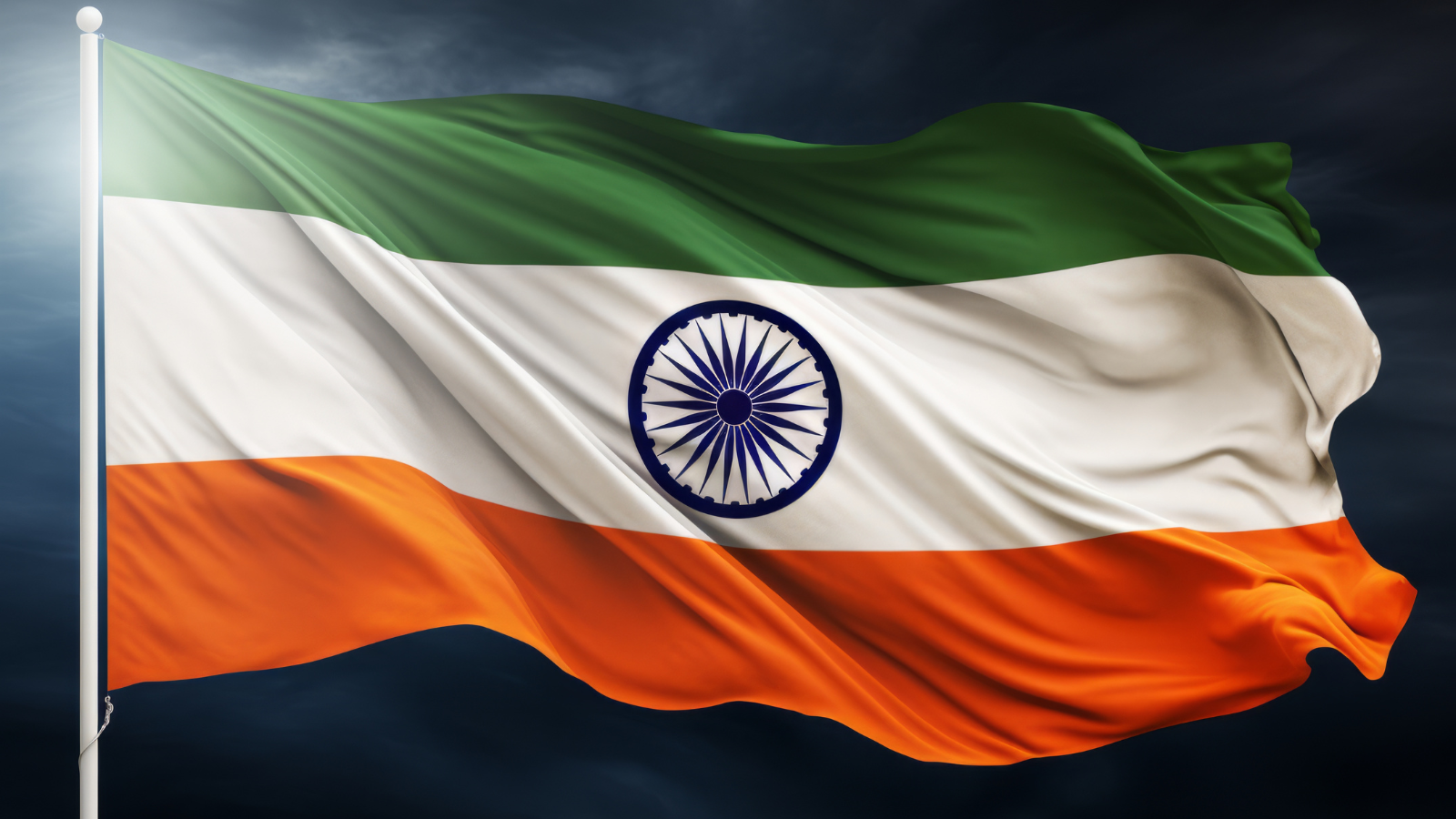
Amid the patriotic fervour, one question continues to spark curiosity every year: why is the National Flag unfurled on Republic Day but hoisted on Independence Day? While the two terms are often used interchangeably in everyday conversation, their meanings and symbolism are very different.
Hoisting the National Flag means raising it from the bottom of the flagpole to the top. The flag begins at ground level and is pulled upwards, unfurling naturally as it ascends. This ritual is followed on Independence Day, when the Prime Minister of India hoists the Tricolour at the Red Fort in Delhi.
Unfurling, on the other hand, means the flag is already tied at the top of the pole. During the ceremony, it is ceremonially opened to reveal the Tricolour in full. This is the tradition followed on Republic Day, performed by the President of India at Kartavya Path.
Republic Day 2026: The unfurling ceremony
The Republic Day 2026 celebrations began at around 9 am. President Draupadi Murmu unfurled the National Flag moments before the parade commenced. The ceremony is followed by the national anthem, Jana Gana Mana, and a 21-gun salute by the Indian Army’s Regiment of Artillery.
The parade that follows highlights India’s military strength and cultural diversity, with vibrant tableaux from states and ministries. This year’s chief guests are the President of the European Council, Antonio Costa, and the President of the European Commission, Ursula von der Leyen. The themes for Republic Day 2026 are “Swatantrata ka Mantra: Vande Mataram” and “Samriddhi ka Mantra: Atma Nirbhar Bharat.”
To understand the symbolism, one must revisit 15 August 1947, the day India broke free from nearly 200 years of colonial rule. Hoisting the flag represents that historic rise, a nation lifting itself from subjugation to sovereignty.
At the Red Fort, as the Prime Minister pulls the flag upward, the moment honours the sacrifices of freedom fighters, from Mahatma Gandhi and Bhagat Singh to countless unsung heroes. The upward movement of the flag captures the spirit of achievement and national pride. Hoisting symbolises victory and declares, “We earned this freedom.”
Why the flag is unfurled on Republic Day
On 26 January 1950, India became a republic with the adoption of its Constitution. The struggle for independence was complete; the framework for governance was in place.
Unfurling the Tricolour on Republic Day represents the revealing of democratic ideals- justice, liberty and equality. The flag, wrapped at the top of the pole and showered with flower petals, is unveiled rather than raised, symbolising a mature nation governed by constitutional values.
The deeper meaning behind the two traditions
Hoisting marks the birth of independent India, rising from the ground upwards, mirroring the freedom struggle. Unfurling reflects the stability of a republic, where ideals are already established and now displayed with pride.
Even the choice of dignitary matters. The Prime Minister hoists the flag on Independence Day as the people’s leader, while the President, as Head of State, unfurls it on Republic Day, embodying the authority of the Constitution.
Why it still matters today
As Republic Day 2026 approaches, these traditions remind us that Independence Day marked the beginning of India’s journey, while Republic Day laid its foundation. The Tricolour remains a powerful symbol of unity in challenging times.
Citizens displaying the flag must follow the Flag Code of India , 2002, ensuring it is treated with dignity and respect. The Tricolour is not just fabric, it carries history, sacrifice and hope. Every hoisting and every unfurling tells a story worth remembering.
Amid the patriotic fervour, one question continues to spark curiosity every year: why is the National Flag unfurled on Republic Day but hoisted on Independence Day? While the two terms are often used interchangeably in everyday conversation, their meanings and symbolism are very different.
Hoisting vs unfurling: what’s the difference?
Hoisting the National Flag means raising it from the bottom of the flagpole to the top. The flag begins at ground level and is pulled upwards, unfurling naturally as it ascends. This ritual is followed on Independence Day, when the Prime Minister of India hoists the Tricolour at the Red Fort in Delhi.
Unfurling, on the other hand, means the flag is already tied at the top of the pole. During the ceremony, it is ceremonially opened to reveal the Tricolour in full. This is the tradition followed on Republic Day, performed by the President of India at Kartavya Path.
Republic Day 2026: The unfurling ceremony
The Republic Day 2026 celebrations began at around 9 am. President Draupadi Murmu unfurled the National Flag moments before the parade commenced. The ceremony is followed by the national anthem, Jana Gana Mana, and a 21-gun salute by the Indian Army’s Regiment of Artillery. The parade that follows highlights India’s military strength and cultural diversity, with vibrant tableaux from states and ministries. This year’s chief guests are the President of the European Council, Antonio Costa, and the President of the European Commission, Ursula von der Leyen. The themes for Republic Day 2026 are “Swatantrata ka Mantra: Vande Mataram” and “Samriddhi ka Mantra: Atma Nirbhar Bharat.”
Why the Tricolour is hoisted on Independence Day
To understand the symbolism, one must revisit 15 August 1947, the day India broke free from nearly 200 years of colonial rule. Hoisting the flag represents that historic rise, a nation lifting itself from subjugation to sovereignty.
At the Red Fort, as the Prime Minister pulls the flag upward, the moment honours the sacrifices of freedom fighters, from Mahatma Gandhi and Bhagat Singh to countless unsung heroes. The upward movement of the flag captures the spirit of achievement and national pride. Hoisting symbolises victory and declares, “We earned this freedom.”
Why the flag is unfurled on Republic Day
On 26 January 1950, India became a republic with the adoption of its Constitution. The struggle for independence was complete; the framework for governance was in place. Unfurling the Tricolour on Republic Day represents the revealing of democratic ideals- justice, liberty and equality. The flag, wrapped at the top of the pole and showered with flower petals, is unveiled rather than raised, symbolising a mature nation governed by constitutional values.
You may also like
- Budget 2026: Industry expectations anchored in policy continuity, credibility, execution
 Sun Pharma, Cipla recall medicines in US over manufacturing issues
- Mithila Palkar didn't plan her professional journey, says she went with the flow
- WPL 2026: On a high after beating RCB, Delhi Capitals aim for strong showing against Gujarat Giants
- Padma Bhushan for Koshyari an insult to Maharashtra, say Congress, Sena
The deeper meaning behind the two traditions
Hoisting marks the birth of independent India, rising from the ground upwards, mirroring the freedom struggle. Unfurling reflects the stability of a republic, where ideals are already established and now displayed with pride. Even the choice of dignitary matters. The Prime Minister hoists the flag on Independence Day as the people’s leader, while the President, as Head of State, unfurls it on Republic Day, embodying the authority of the Constitution.
Why it still matters today
As Republic Day 2026 approaches, these traditions remind us that Independence Day marked the beginning of India’s journey, while Republic Day laid its foundation. The Tricolour remains a powerful symbol of unity in challenging times.Citizens displaying the flag must follow the Flag Code of India , 2002, ensuring it is treated with dignity and respect. The Tricolour is not just fabric, it carries history, sacrifice and hope. Every hoisting and every unfurling tells a story worth remembering.






More from our partners


Loving Newspoint? Download the app now
