
From Chaos to Clarity: Blockchain's Bold Impact on Supply Chain Management

Supply chain management is the backbone of global trade, but inefficiencies and a lack of transparency often plague it. Enter blockchain technology—a revolutionary tool reshaping how goods move from producers to consumers.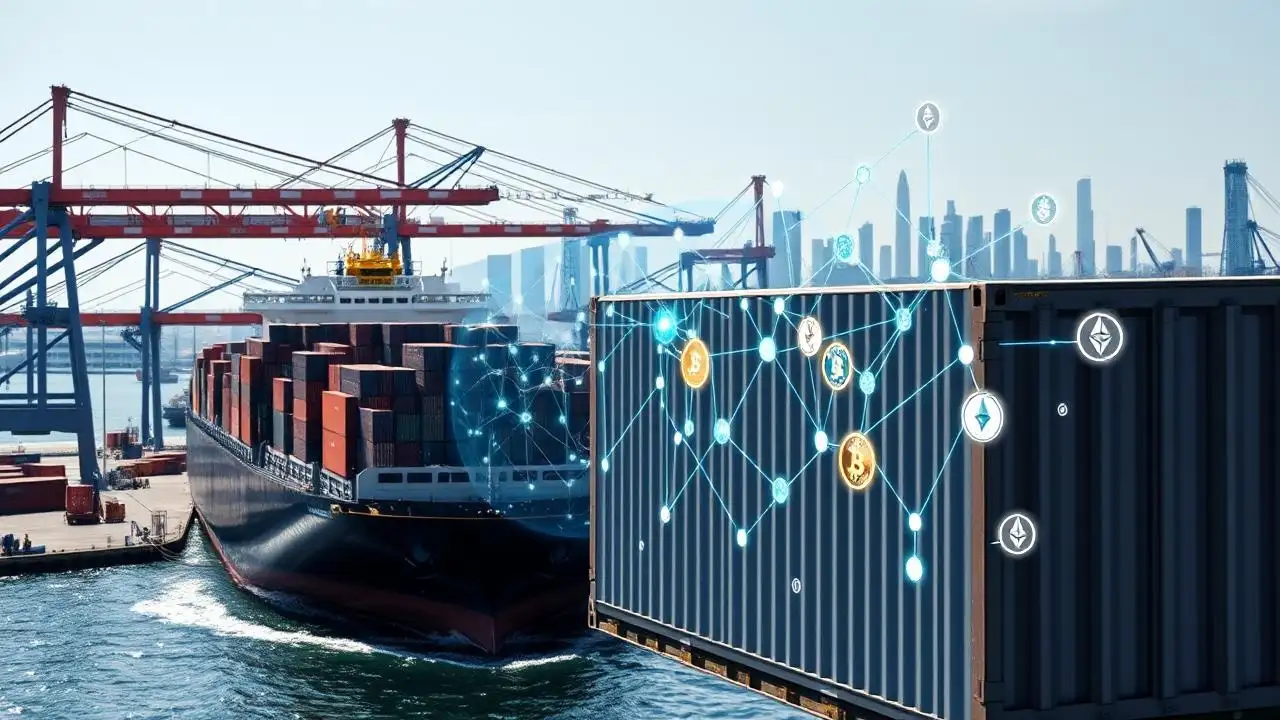
Blockchain is revolutionizing supply chain management by increasing efficiency, reducing fraud, and enhancing transparency. In a world demanding accountability and speed, it’s clear this technology is not just a trend but the future of supply chain operations.
The Problem with Traditional Supply Chains
Traditional supply chains rely on centralized systems and manual record-keeping, which are prone to errors, fraud, and delays. Tracking goods is often complex, with information silos among suppliers, manufacturers, and distributors. Consumers also face challenges verifying the authenticity or ethical sourcing of products.How Blockchain Solves These Issues
Blockchain introduces a decentralized, tamper-proof ledger to supply chains. Every transaction, from raw material sourcing to final delivery, is recorded in real time and visible to all stakeholders.You may also like
- Get inspiration from our temples: CM on Warangal, Adilabad airports
- 'Must act now': Kashmiri leader urges UNHRC action over 'worsening' rights situation in PoJK, PoGB
- Bihar's Jungle Raj: Jolt In Jamui
- The El Nino Effect: Karnataka, Maharashtra Battling Drought-Like Conditions
- The Fatal Tyranny Of 'Log Kya Kahenge': Why India Urgently Needs A Swachh Manas Abhiyan
- Enhanced Transparency: Companies can provide detailed product histories to consumers, ensuring ethical sourcing or compliance with regulations. For example, the diamond industry uses blockchain to verify conflict-free sourcing.
- Fraud Prevention: Blockchain’s immutability reduces risks of counterfeit products or tampering. Industries like pharmaceuticals are already leveraging this to combat fake medicines.
- Efficiency Gains: Smart contracts automate processes like payments and shipments, eliminating delays caused by intermediaries. This reduces paperwork and speeds up transactions.
Real-World Applications
Retail giant Walmart uses blockchain to track food products, significantly reducing the time needed to trace contamination sources. Similarly, IBM’s Food Trust network allows suppliers and retailers to share data, enhancing food safety and reducing waste.Challenges and Opportunities
Despite its benefits, blockchain adoption in supply chains faces hurdles like high implementation costs and resistance to change. Interoperability between different blockchain systems is another challenge. However, as technology evolves and costs drop, widespread adoption seems inevitable.Blockchain is revolutionizing supply chain management by increasing efficiency, reducing fraud, and enhancing transparency. In a world demanding accountability and speed, it’s clear this technology is not just a trend but the future of supply chain operations.






Loving Newspoint? Download the app now
