
Dining Out and Food Delivery Likely to Get More Expensive After Fuel Price Hike

Eating out at restaurants and ordering food online could soon become more expensive for consumers across India. Industry executives say dining-out bills and food delivery charges may rise by 5% to 10% from next week after state-run oil marketing companies increased petrol and diesel prices on Friday.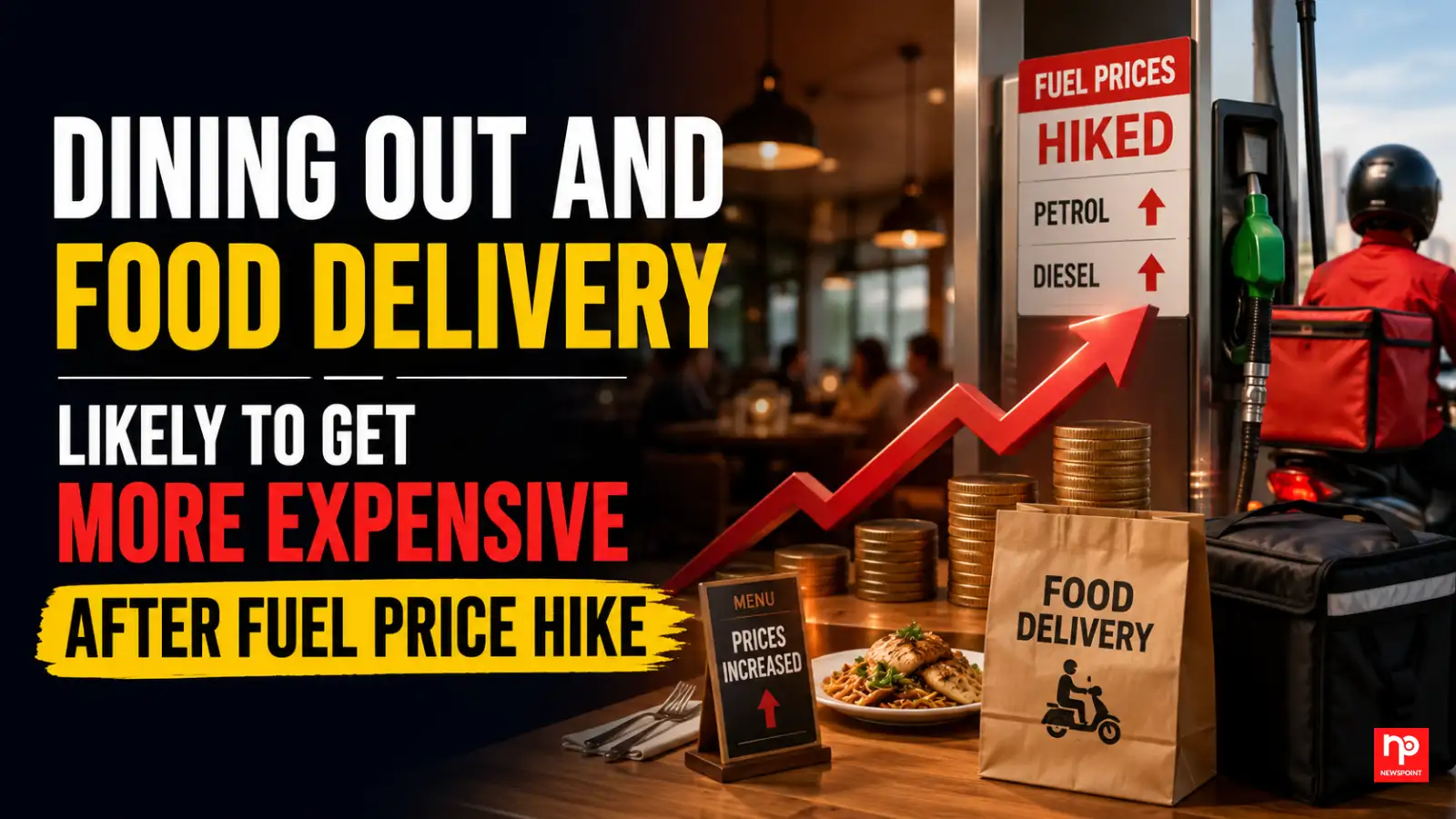
Restaurant owners and food delivery businesses say the latest fuel price hike has added fresh pressure on an industry that has already been struggling with rising commercial LPG prices, transportation costs, and workforce shortages since the start of the West Asia conflict.
“Fuel price hikes will lead to an increase in our transportation, packaging, material and input costs; we are not left with any choice but to increase prices,” said Vikrant Batra, founder of Cafe Delhi Heights, which has 50 outlets across 17 cities. “The cascading effect is such that the cost of living for our staff members will also go up,” he added.
Several restaurant chains are expected to revise menu prices starting next week, while some brands plan to gradually introduce price increases in June or July.
NRAI president Sagar Daryani, who is also cofounder of Wow! Momo, said the industry has little room left to absorb additional costs.
“Usually, we take an annual price hike around September. This year, we have no choice but to increase prices from July 1,” he said.
Friday’s increase marked the first major fuel price hike in nearly four years. Petrol prices in Delhi have now reached Rs 97.77 per litre, while diesel prices have climbed to Rs 90.67 per litre.
A senior executive at a leading food delivery platform said rising operational costs could force platforms to revise their pricing strategies in the coming weeks.
At the same time, restaurant owners are also worried about the impact of reduced office dining. Following Prime Minister Narendra Modi’s appeal for work-from-home arrangements, many restaurants have already noticed lower lunch-hour footfall and reduced group dining.
“The sentiments have been low after the PM's announcement on working-from-home,” said Saurabh Khanijo, managing director of Kylin chain of restaurants.
“While some gradual price corrections across dining-out and ordering in May become inevitable if the situation persists, I believe several responsible restaurant brands will first try to absorb a large part of the impact through operational efficiencies, tighter cost controls and alternative energy solutions rather than immediately passing it on to guests,” said Zorawar Kalra, managing director of Massive Restaurants, which operates Farzi Cafe and Masala Library.
“That being said, some consumers can expect certain price increases especially in smaller players and those with thin margins,” he added.
The survey also highlighted the financial pressure faced by the industry. Based on 2024 estimates, the restaurant sector could reportedly suffer losses of nearly Rs 2,650 crore per day and around Rs 79,000 crore per month if conditions continue.
“Inconsistent service (menu cuts, delays, reduced hours) has led to lower visit frequency and discretionary spending and reduced repeat dining,” the survey stated.
Restaurant owners say menu price adjustments will likely be done carefully to avoid hurting customer demand.
“We can’t do this overnight. We will have to do the menu engineering in such a manner that it helps us survive competition and in a way that it doesn't pinch the consumers too much,” said Cafe Delhi Heights founder Vikrant Batra.
This week, dairy companies Amul and Mother Dairy already increased milk prices by Rs 2 per litre, adding to inflation concerns for households and businesses alike.
With fuel prices, food costs, and logistics expenses continuing to rise, consumers may soon feel the impact both while dining out and ordering food online.
Restaurant owners and food delivery businesses say the latest fuel price hike has added fresh pressure on an industry that has already been struggling with rising commercial LPG prices, transportation costs, and workforce shortages since the start of the West Asia conflict.
Restaurants Facing Rising Operational Costs
Many restaurant chains say increasing fuel prices are directly affecting transportation, packaging, raw material procurement, and staff expenses. Businesses now believe price hikes are unavoidable if they want to maintain operations and profitability.“Fuel price hikes will lead to an increase in our transportation, packaging, material and input costs; we are not left with any choice but to increase prices,” said Vikrant Batra, founder of Cafe Delhi Heights, which has 50 outlets across 17 cities. “The cascading effect is such that the cost of living for our staff members will also go up,” he added.
Several restaurant chains are expected to revise menu prices starting next week, while some brands plan to gradually introduce price increases in June or July.
LPG Price Surge Adding More Pressure on Food Industry
The National Restaurants Association of India (NRAI) says the fuel price increase comes at a time when restaurants are already dealing with sharply higher commercial LPG prices.NRAI president Sagar Daryani, who is also cofounder of Wow! Momo, said the industry has little room left to absorb additional costs.
“Usually, we take an annual price hike around September. This year, we have no choice but to increase prices from July 1,” he said.
Friday’s increase marked the first major fuel price hike in nearly four years. Petrol prices in Delhi have now reached Rs 97.77 per litre, while diesel prices have climbed to Rs 90.67 per litre.
Food Delivery Charges May Also Increase
Industry executives believe higher fuel and logistics expenses will also impact food delivery services. Customers may soon see increased delivery charges, fewer discounts, and changes in minimum order values.A senior executive at a leading food delivery platform said rising operational costs could force platforms to revise their pricing strategies in the coming weeks.
At the same time, restaurant owners are also worried about the impact of reduced office dining. Following Prime Minister Narendra Modi’s appeal for work-from-home arrangements, many restaurants have already noticed lower lunch-hour footfall and reduced group dining.
“The sentiments have been low after the PM's announcement on working-from-home,” said Saurabh Khanijo, managing director of Kylin chain of restaurants.
Restaurants Trying to Avoid Burdening Customers
Despite rising expenses, several restaurant brands say they are trying to avoid passing the full burden onto customers immediately. Many businesses are focusing on operational efficiency, menu restructuring, and alternative energy solutions to manage costs.You may also like
- Bay of Bengal low brings rain, cools Tamil Nadu temperatures
- Floating schools in Assam keep children learning during monsoon floods
- "Verdict will belong to truth, justice": TMC's Dola Sen after police file FIR against Abhishek Banerjee
- Maharashtra: Woman allegedly assaulted, paraded semi naked with slipper garland in Ulhasnagar over temple entry dispute; two arrested
- Central government employees, pensioners press demands before 8th Pay Commission
“While some gradual price corrections across dining-out and ordering in May become inevitable if the situation persists, I believe several responsible restaurant brands will first try to absorb a large part of the impact through operational efficiencies, tighter cost controls and alternative energy solutions rather than immediately passing it on to guests,” said Zorawar Kalra, managing director of Massive Restaurants, which operates Farzi Cafe and Masala Library.
“That being said, some consumers can expect certain price increases especially in smaller players and those with thin margins,” he added.
Restaurant Industry Facing Financial Stress
An internal survey conducted by NRAI revealed that nearly 10% of restaurants temporarily shut operations last month due to rising costs and LPG shortages. Around 60% to 70% of restaurant operators reportedly shifted to induction cooking, alternate fuels, reduced operating hours, or shorter menus.The survey also highlighted the financial pressure faced by the industry. Based on 2024 estimates, the restaurant sector could reportedly suffer losses of nearly Rs 2,650 crore per day and around Rs 79,000 crore per month if conditions continue.
“Inconsistent service (menu cuts, delays, reduced hours) has led to lower visit frequency and discretionary spending and reduced repeat dining,” the survey stated.
Restaurant owners say menu price adjustments will likely be done carefully to avoid hurting customer demand.
“We can’t do this overnight. We will have to do the menu engineering in such a manner that it helps us survive competition and in a way that it doesn't pinch the consumers too much,” said Cafe Delhi Heights founder Vikrant Batra.
Rising Food Prices May Affect Consumers Further
Industry experts also warn that rising fuel prices may increase the cost of essential food items like vegetables, fruits, milk, and staples because transportation plays a major role in supply chains.This week, dairy companies Amul and Mother Dairy already increased milk prices by Rs 2 per litre, adding to inflation concerns for households and businesses alike.
With fuel prices, food costs, and logistics expenses continuing to rise, consumers may soon feel the impact both while dining out and ordering food online.






More from our partners


Loving Newspoint? Download the app now
