
SBI Alert: Fake SMS And Reward Point Scams To Watch Out For

Attention SBI account holders! Mobile phones are now central to our daily lives whether for banking, shopping, paying bills, or investing. But scammers are taking advantage of this digital dependence with fake reward point messages that can drain your account in seconds. Even well-educated individuals are falling prey. Here’s what you need to know to protect your money.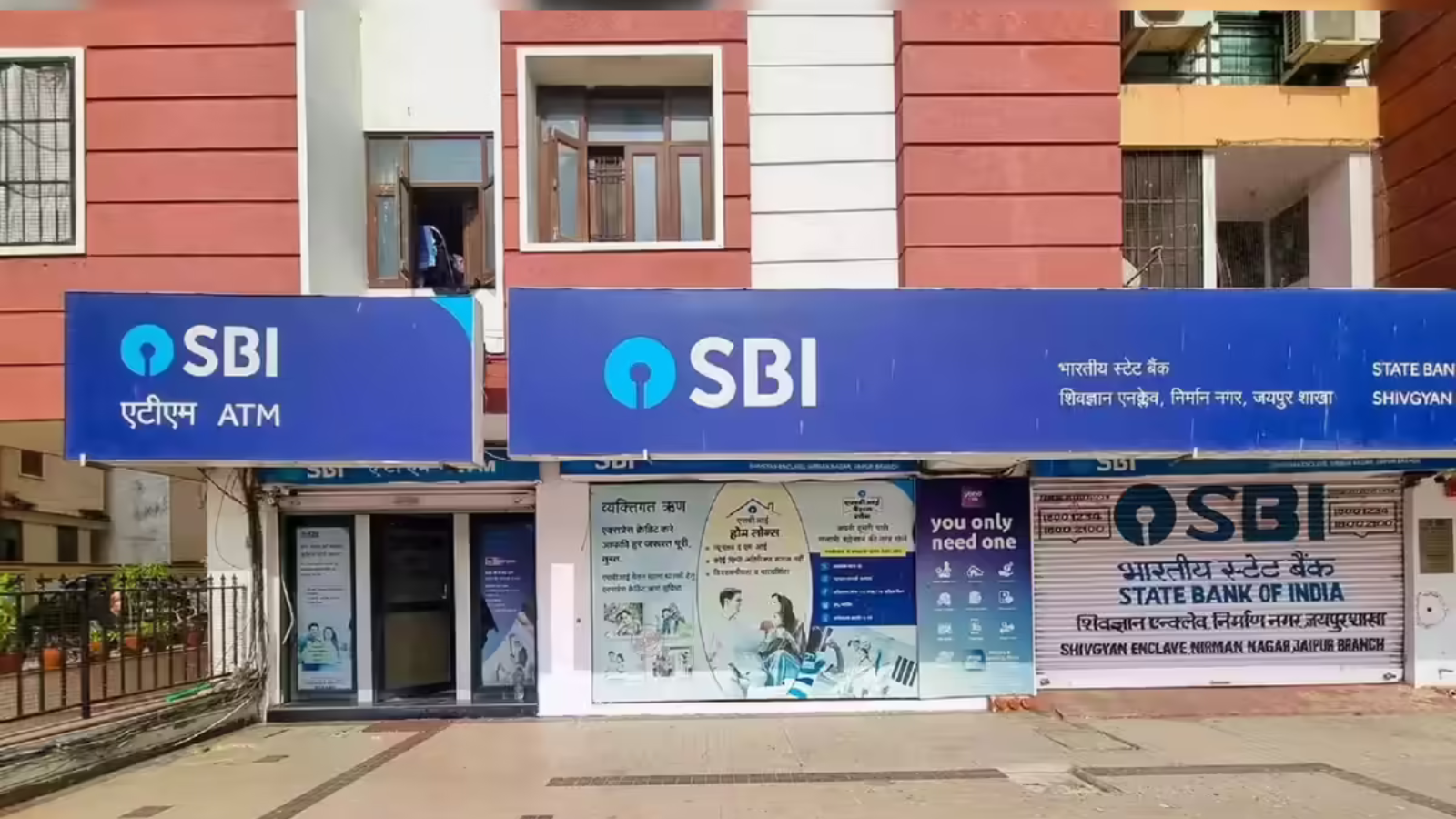
How the SBI Reward Point Scam Works
Scammers send fake SMS or WhatsApp messages claiming that you have thousands of reward points in your bank account, credit card, or UPI account. The message urges you to redeem them immediately through a link.
Once you click the link and enter your bank details, OTP, or card information, your account can be emptied instantly. These messages are highly sophisticated, often appearing genuine at first glance.
These are fraudulent messages designed to steal your sensitive information. They usually:
How to Spot a Fake Reward Message
Key Mistakes to Avoid
How the SBI Reward Point Scam Works
Scammers send fake SMS or WhatsApp messages claiming that you have thousands of reward points in your bank account, credit card, or UPI account. The message urges you to redeem them immediately through a link.Once you click the link and enter your bank details, OTP, or card information, your account can be emptied instantly. These messages are highly sophisticated, often appearing genuine at first glance.
What Are Fake Reward Point Messages?
These are fraudulent messages designed to steal your sensitive information. They usually:
- Claim reward points are credited to your account.
- Warn that points will expire if not redeemed immediately.
- Use fear tactics or incentives to pressure quick action.
How to Spot a Fake Reward Message
- Grammar and spelling errors: Poor English or odd Hindi phrases are common.
- Incorrect bank names: Even small spelling mistakes are red flags.
- Suspicious links: Banks never ask for personal information via SMS or WhatsApp. Avoid short or unusual URLs.
- Urgency and fear: Messages pressuring you to act immediately are usually scams.
Key Mistakes to Avoid
- Never click unknown links – they can compromise your phone or browser.
- Do not share OTP, ATM PIN, CVV, UPI PIN, or net banking passwords.
- Verify calls: Numbers starting with 1600 are generally safe, but always cross-check.
- Do not trust WhatsApp or mobile numbers claiming to be banks.
- Call the 1930 national cyber fraud helpline.
- File a complaint at cybercrime.gov.in.
Next Story