
Success Story: How College Dropout Boy Built Rs 7 Crore Marigold Farming Business From Scratch

At just 33, Arup Kumar Ghosh from Kolaghat, West Bengal, earns an annual income of Rs 6.35–7.35 crore through marigold farming and seed production. What began as a small flower-trading venture after dropping out of college turned into a thriving agribusiness—powered by determination, smart learning, and a hint of global inspiration.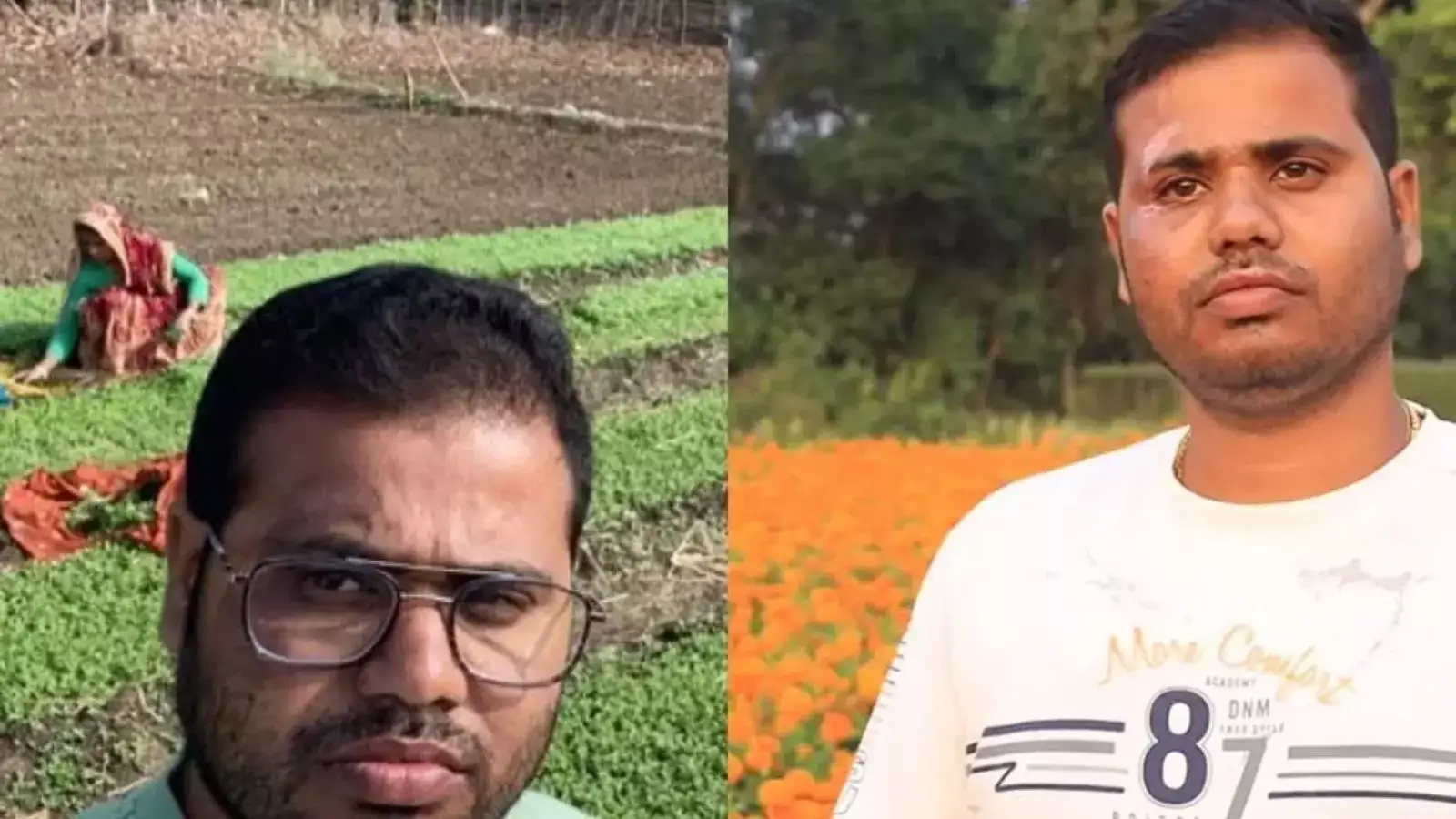
Dropping Out and Diving In
In 2010, Arup left college after one year of commerce to learn flower trading. He began working in Hyderābād’s Gudimalkapur Flower Market, selling marigold strings for Rs 3,500 per month. It was here he saw the demand for Kolaghat’s flowers and realised there was business opportunity back home.
First Business Steps
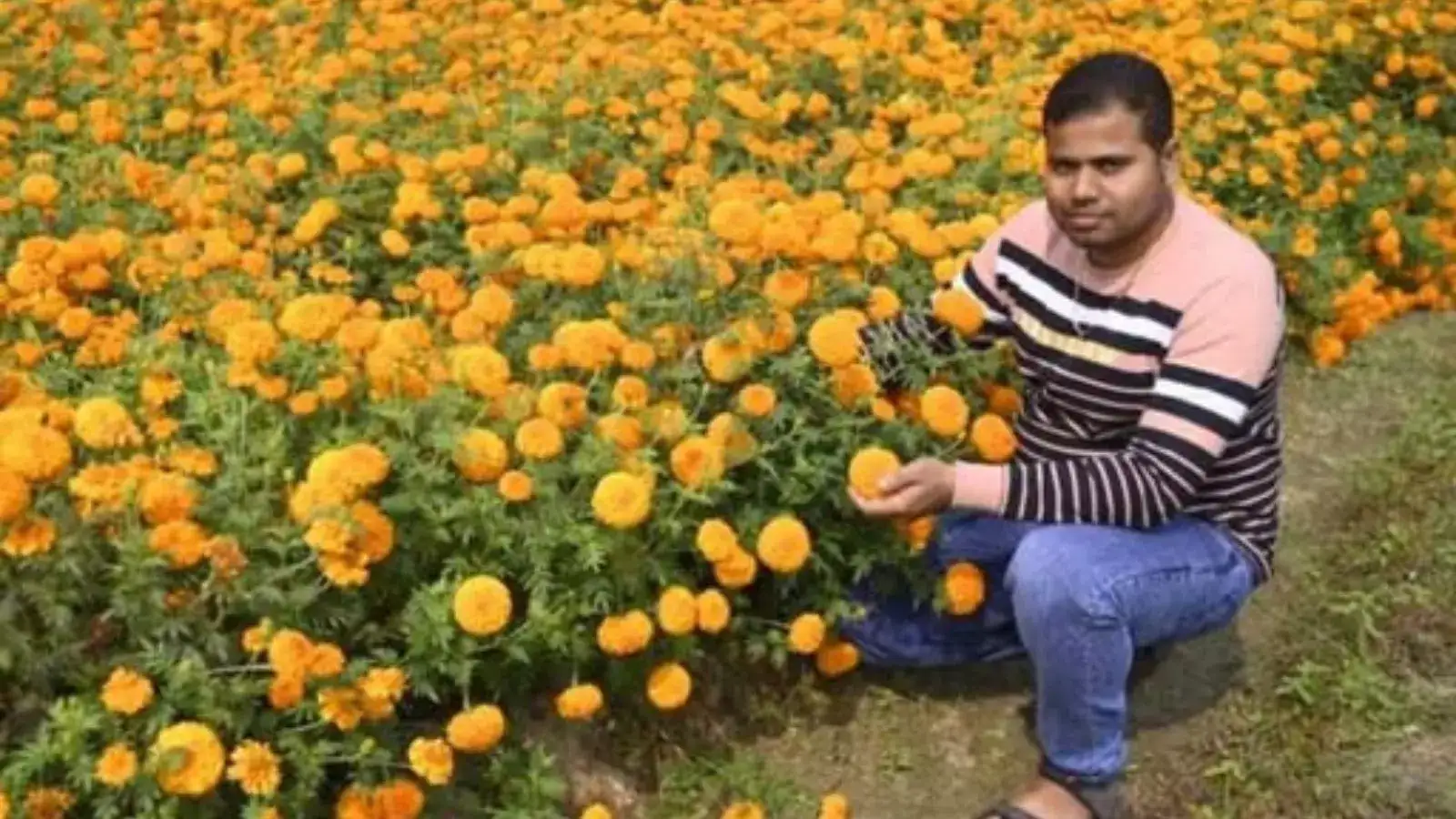
In 2011, he returned and began buying marigold garlands for Rs 120, selling them locally for Rs 140–150—earning Rs 2,000–3,000 per 100 strings. Soon, he took a bold step: leasing two bighas and investing Rs 12,000 in seeds and saplings. Initial crops were poor quality—until a pivotal trip to Thailand.
Thai Training & Growth
Over six months in Bangkok, Arup discovered the Tennis Ball marigold—resilient, shutter-resistant, and perfect for long-distance transport. He brought back 25 g of seeds, improved his farming techniques (experimenting with fertilisers and pest control), and began producing both flowers and seeds of high quality.
Business Expansion
By 2012, his crop fetched Rs 100/kg in Kolaghat, and other farmers began seeking his plants and seeds. He expanded to six bighas, selling not only flowers but also seeds and saplings across major cities in India. He also leverages social media to connect with customers nationwide.
Overcoming Challenges
Arup learnt to manage unpredictable monsoons with proper drainage, ensured adequate sunlight, protected his crop during storms and floods with netting, and controlled pests naturally using neem oil, bone dust, and cow dung—training staff in these sustainable techniques.
Scaled Success

Today, his farm spans 73 bighas (around 29 acres), growing orange, yellow, and red marigolds. In 2024 alone, he sold nearly 4 crore saplings and 1,500 kg of seeds (priced at Rs 25,000/kg). At peak harvest, 800–1,000 kg of flowers are sold every day to markets including Hyderabad and Howrah, generating Rs 1–2 crore during the season.
Proud Recognition
Floral wholesaler Dilip Bhowmick attests to Arup’s superior quality: “I’ve been sourcing marigold flowers and saplings from Arup for the past couple of years, and I am very satisfied with the quality. The flowers are consistently fresh, vibrant, and big, which sets them apart from others in the market. He takes great care in growing and nurturing them, and that’s why I continue to rely on him.”
“It’s a large operation now, with 80 workers supporting planting, harvesting, and maintaining the farm,” Arup shares proudly.
Today, 80 employees manage planting, harvesting, and farm upkeep—turning a small operation into a flourishing enterprise.
Arup reflects, “I could have easily stayed in the shop, but taking the leap into entrepreneurship and farming has deepened my understanding of floriculture. The success of my farm fills me with pride, and I hope my journey inspires others who dream of building a career in this field.”
Dropping Out and Diving In
In 2010, Arup left college after one year of commerce to learn flower trading. He began working in Hyderābād’s Gudimalkapur Flower Market, selling marigold strings for Rs 3,500 per month. It was here he saw the demand for Kolaghat’s flowers and realised there was business opportunity back home.
First Business Steps
In 2011, he returned and began buying marigold garlands for Rs 120, selling them locally for Rs 140–150—earning Rs 2,000–3,000 per 100 strings. Soon, he took a bold step: leasing two bighas and investing Rs 12,000 in seeds and saplings. Initial crops were poor quality—until a pivotal trip to Thailand.
Thai Training & Growth
Over six months in Bangkok, Arup discovered the Tennis Ball marigold—resilient, shutter-resistant, and perfect for long-distance transport. He brought back 25 g of seeds, improved his farming techniques (experimenting with fertilisers and pest control), and began producing both flowers and seeds of high quality.
Business Expansion
By 2012, his crop fetched Rs 100/kg in Kolaghat, and other farmers began seeking his plants and seeds. He expanded to six bighas, selling not only flowers but also seeds and saplings across major cities in India. He also leverages social media to connect with customers nationwide.
You may also like
- Evening news wrap: Ukraine launches over 1,000 drones at Russia; Akhilesh's UP poll strategy & more
- 'Can't stop BJP alone': Owaisi opens alliance door to 'like-minded' parties in UP
- 'People dying in Bihar floods, yet crores spent on PM Modi's birthday': Tejashwi Yadav slams BJP
- Not just Rekha Gupta and Arvind Kejriwal: LK Advani, Manish Sisodia issued notices in Delhi SIR
- Uttarakhand CM Dhami joins women in traditional Chachani dance during Badrinath visit
Overcoming Challenges
Arup learnt to manage unpredictable monsoons with proper drainage, ensured adequate sunlight, protected his crop during storms and floods with netting, and controlled pests naturally using neem oil, bone dust, and cow dung—training staff in these sustainable techniques.
Scaled Success
Today, his farm spans 73 bighas (around 29 acres), growing orange, yellow, and red marigolds. In 2024 alone, he sold nearly 4 crore saplings and 1,500 kg of seeds (priced at Rs 25,000/kg). At peak harvest, 800–1,000 kg of flowers are sold every day to markets including Hyderabad and Howrah, generating Rs 1–2 crore during the season.
Proud Recognition
Floral wholesaler Dilip Bhowmick attests to Arup’s superior quality: “I’ve been sourcing marigold flowers and saplings from Arup for the past couple of years, and I am very satisfied with the quality. The flowers are consistently fresh, vibrant, and big, which sets them apart from others in the market. He takes great care in growing and nurturing them, and that’s why I continue to rely on him.”
“It’s a large operation now, with 80 workers supporting planting, harvesting, and maintaining the farm,” Arup shares proudly.
Today, 80 employees manage planting, harvesting, and farm upkeep—turning a small operation into a flourishing enterprise.
Arup reflects, “I could have easily stayed in the shop, but taking the leap into entrepreneurship and farming has deepened my understanding of floriculture. The success of my farm fills me with pride, and I hope my journey inspires others who dream of building a career in this field.”






Loving Newspoint? Download the app now
