
Supreme Court Allows Hindu, Muslim Prayers At Bhojshala On Basant Panchami, Sets Time Slots

In a significant development ahead of Basant Panchami, the Supreme Court of India has permitted both Hindus and Muslims to offer prayers at the Bhojshala–Kamal Maula Mosque complex in Dhar district of Madhya Pradesh on Friday, January 23, 2026. The apex court laid down clear time slots and operational guidelines to prevent any conflict and ensure peaceful observance at the disputed site.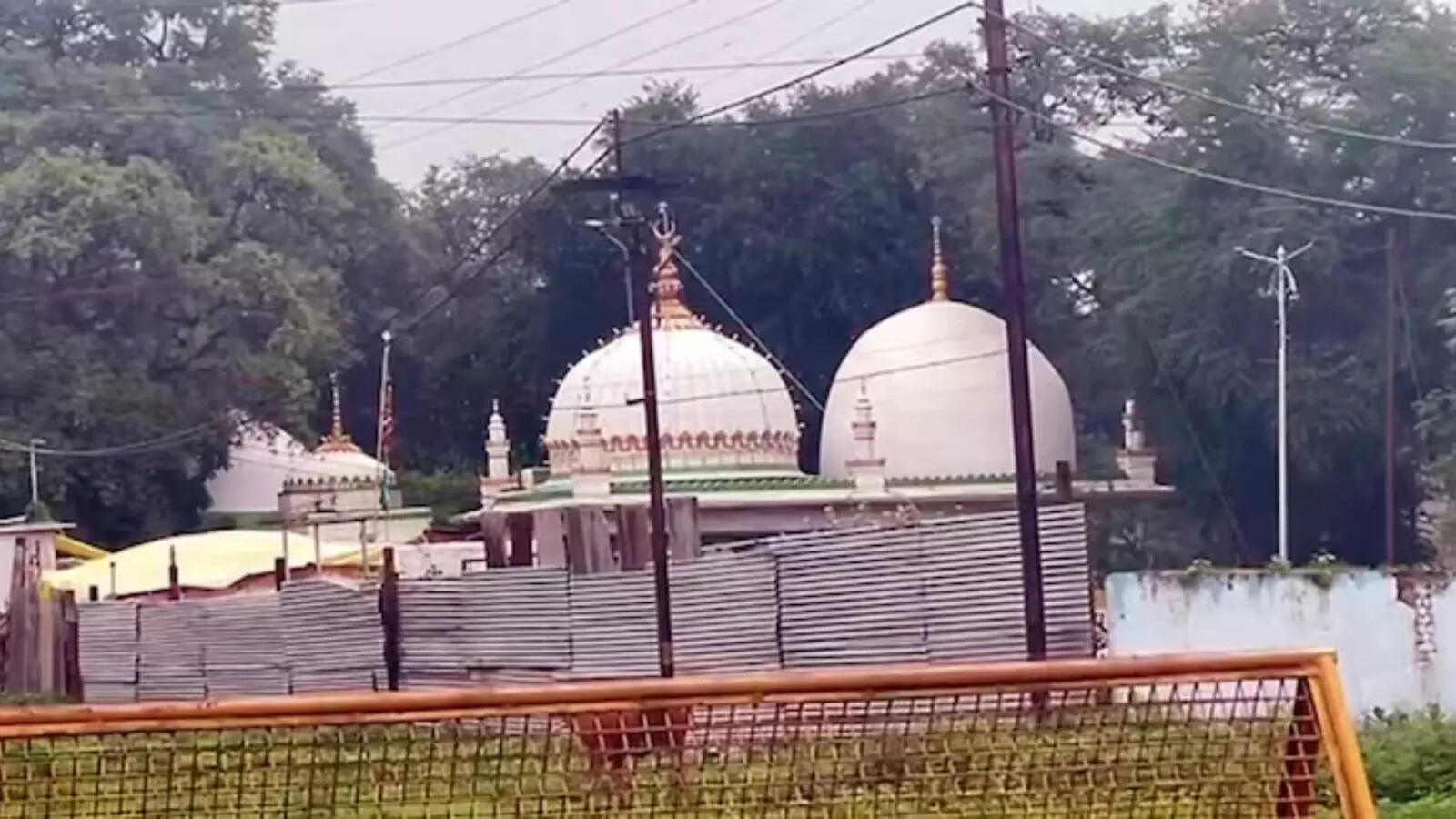
The 11th-century Bhojshala complex, protected by the Archaeological Survey of India (ASI) as a national monument, has long been at the centre of religious claims and communal sensitivities. Hindus believe the site to be a temple dedicated to Goddess Vagdevi (Saraswati), while Muslims worship there as the Kamal Maula Mosque. The site’s religious importance becomes especially sensitive when major Hindu festivals and weekly Friday prayers coincide, as is the case this year.
On Thursday, a Supreme Court bench led by Chief Justice of India Surya Kant, along with Justices Joymalya Bagchi and Vipul M. Pancholi, clarified that Hindus will be allowed to perform rituals and prayers from sunrise to sunset on Basant Panchami, a festival associated with the worship of Goddess Saraswati.
At the same time, acknowledging longstanding practices and the significance of weekly Muslim congregational prayers, the court allowed Friday namaz to be offered between 1 pm and 3 pm. To maintain order and ensure security, the court directed that a list of Muslim worshippers attending Friday prayers be submitted in advance to the district administration, enabling authorities to make appropriate crowd management and security arrangements.
This year’s coincidence of Basant Panchami with a Friday posed a legal and administrative challenge, as existing ASI guidelines and previous court orders did not specifically address such overlaps. An ASI order issued in 2003 permits Hindus to worship at the site on Tuesdays and Muslims to offer namaz on Fridays. The Supreme Court’s latest directive bridges this procedural gap, while attempting to strike a balance between the religious sentiments of both communities.
While issuing the order, the court also appealed to both Hindu and Muslim communities to maintain mutual respect and cooperate with law enforcement agencies during the day’s observances. Ensuring peace at the Bhojshala-Kamal Maula complex, which has witnessed tensions in the past over prayer rights and access, remains a key priority for the state and district administrations.
To preserve harmony, separate logistical and security arrangements will be implemented at the site. These include distinct entry and exit routes, regulated prayer areas, and close monitoring, aimed at preventing any overlap between the two congregations and avoiding potential flashpoints.
The ruling reflects the Supreme Court’s commitment to upholding freedom of religion under the Indian Constitution, while carefully managing the communal sensitivities surrounding disputed heritage sites. By defining clear time windows and emphasising coordination with authorities, the court has laid down a framework for peaceful and orderly religious observance at a site that has historically been a focal point of competing claims.
The 11th-century Bhojshala complex, protected by the Archaeological Survey of India (ASI) as a national monument, has long been at the centre of religious claims and communal sensitivities. Hindus believe the site to be a temple dedicated to Goddess Vagdevi (Saraswati), while Muslims worship there as the Kamal Maula Mosque. The site’s religious importance becomes especially sensitive when major Hindu festivals and weekly Friday prayers coincide, as is the case this year.
On Thursday, a Supreme Court bench led by Chief Justice of India Surya Kant, along with Justices Joymalya Bagchi and Vipul M. Pancholi, clarified that Hindus will be allowed to perform rituals and prayers from sunrise to sunset on Basant Panchami, a festival associated with the worship of Goddess Saraswati.
You may also like
- Police use tear gas to disperse Youth Congress protestors over Sabarimala gold theft in Kerala
- 15 Maoists including Anal Da with Rs 1 cr bounty killed in encounter in Jharkhand's Saranda Forest (Lead)
- Black Shark torpedo deal to strengthen Indian Navy's combat capability will support future Make in India: Italian firm Wass
- Bhavana Pandey shares menu wishlist, plans for daughter Ananya Panday's grand wedding
- Tere Ishk Mein OTT release date confirmed: When and where to watch Dhanush and Kriti Sanon's movie in Hindi, Tamil, and Telugu
At the same time, acknowledging longstanding practices and the significance of weekly Muslim congregational prayers, the court allowed Friday namaz to be offered between 1 pm and 3 pm. To maintain order and ensure security, the court directed that a list of Muslim worshippers attending Friday prayers be submitted in advance to the district administration, enabling authorities to make appropriate crowd management and security arrangements.
This year’s coincidence of Basant Panchami with a Friday posed a legal and administrative challenge, as existing ASI guidelines and previous court orders did not specifically address such overlaps. An ASI order issued in 2003 permits Hindus to worship at the site on Tuesdays and Muslims to offer namaz on Fridays. The Supreme Court’s latest directive bridges this procedural gap, while attempting to strike a balance between the religious sentiments of both communities.
While issuing the order, the court also appealed to both Hindu and Muslim communities to maintain mutual respect and cooperate with law enforcement agencies during the day’s observances. Ensuring peace at the Bhojshala-Kamal Maula complex, which has witnessed tensions in the past over prayer rights and access, remains a key priority for the state and district administrations.
To preserve harmony, separate logistical and security arrangements will be implemented at the site. These include distinct entry and exit routes, regulated prayer areas, and close monitoring, aimed at preventing any overlap between the two congregations and avoiding potential flashpoints.
The ruling reflects the Supreme Court’s commitment to upholding freedom of religion under the Indian Constitution, while carefully managing the communal sensitivities surrounding disputed heritage sites. By defining clear time windows and emphasising coordination with authorities, the court has laid down a framework for peaceful and orderly religious observance at a site that has historically been a focal point of competing claims.






More from our partners


Loving Newspoint? Download the app now
