
Tamil Nadu Governor Leaves Assembly, Raises Objections Over Speech ‘Inaccuracies’

Tamil Nadu Governor R N Ravi walked out of the state Assembly on Tuesday after declining to deliver the customary address prepared by the state government, citing what he described as "inaccuracies" and "unsubstantiated claims" in the speech.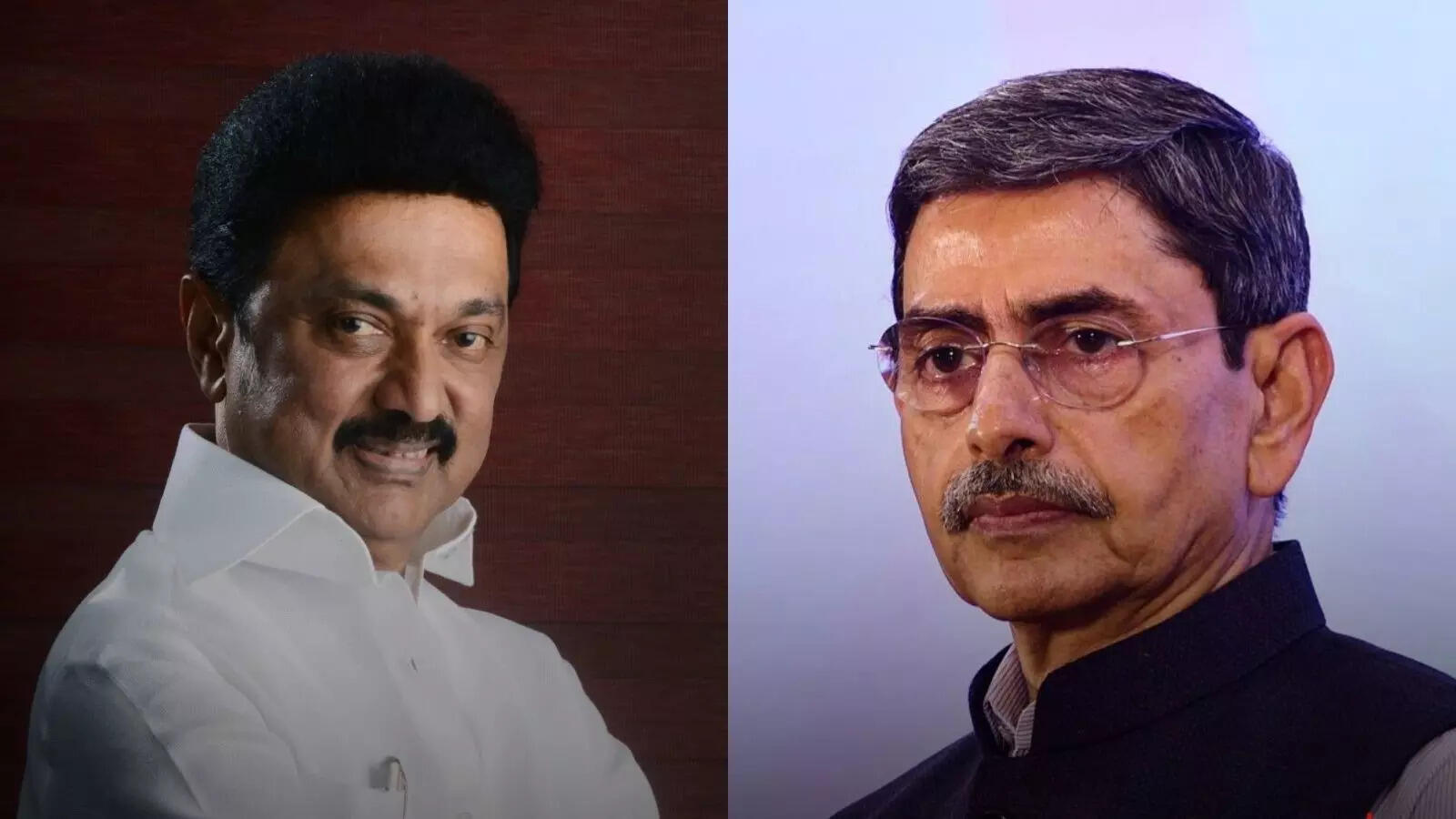
The Governor’s decision led to sharp political reactions, as the address was drafted by the MK Stalin-led government and scheduled to be read at the start of the Assembly session. According to an official explanation released later, the Governor raised objections to several sections of the text and said key public concerns had been overlooked.
In a detailed note outlining his reasons, Raj Bhavan stated that the Governor was not allowed to fully express his objections during the session and alleged that his microphone was repeatedly switched off. “The speech contains numerous unsubstantiated claims and misleading statements. Several crucial issues troubling the people are ignored,” the statement said.
One of the major points of contention was the government’s claim regarding investment inflows. Raj Bhavan questioned assertions that Tamil Nadu had attracted investments worth over Rs 12 crore, stating that many of the agreements mentioned remained at the memorandum stage. “Actual investment is hardly a fraction of it,” the note added, claiming that the state’s position in attracting foreign direct investment has weakened in recent years.
The Governor’s office also flagged concerns over women’s safety, stating that the issue had been omitted from the speech despite a reported rise in crimes. It cited a sharp increase in cases under the POCSO Act and a significant rise in incidents of molestation. The statement further claimed that crimes against Dalits, including sexual violence against Dalit women, were increasing but had not been addressed.
The walkout has once again highlighted tensions between the Governor’s office and the elected government in Tamil Nadu, with questions being raised over constitutional roles, political messaging and accountability within the Assembly.
The Governor’s decision led to sharp political reactions, as the address was drafted by the MK Stalin-led government and scheduled to be read at the start of the Assembly session. According to an official explanation released later, the Governor raised objections to several sections of the text and said key public concerns had been overlooked.
In a detailed note outlining his reasons, Raj Bhavan stated that the Governor was not allowed to fully express his objections during the session and alleged that his microphone was repeatedly switched off. “The speech contains numerous unsubstantiated claims and misleading statements. Several crucial issues troubling the people are ignored,” the statement said.
One of the major points of contention was the government’s claim regarding investment inflows. Raj Bhavan questioned assertions that Tamil Nadu had attracted investments worth over Rs 12 crore, stating that many of the agreements mentioned remained at the memorandum stage. “Actual investment is hardly a fraction of it,” the note added, claiming that the state’s position in attracting foreign direct investment has weakened in recent years.
The Governor’s office also flagged concerns over women’s safety, stating that the issue had been omitted from the speech despite a reported rise in crimes. It cited a sharp increase in cases under the POCSO Act and a significant rise in incidents of molestation. The statement further claimed that crimes against Dalits, including sexual violence against Dalit women, were increasing but had not been addressed.
The walkout has once again highlighted tensions between the Governor’s office and the elected government in Tamil Nadu, with questions being raised over constitutional roles, political messaging and accountability within the Assembly.
Next Story