
The Milk India Won’t Import: Why ‘Non-Veg Dairy’ Is A Sacred Red Line In US Trade Talks

In the quiet meeting rooms of New Delhi’s diplomatic district, one subject has stubbornly blocked progress on the India–US trade pact. Surprisingly, it isn’t about defence, data, or even agricultural subsidies – it’s about milk.
At the Heart of the Dispute: America’s Dairy Ambitions
The US is eager to enter India’s vast $16.8 billion dairy market – the world’s largest, producing over 239 million metric tonnes of milk annually. Washington wants its butter, cheese, and milk powder on Indian shelves. But New Delhi isn’t ready to say yes.
Why India Says No: The ‘Non-Veg Milk’ Factor
The sticking point is deeply cultural and spiritual: India demands a guarantee that imported milk comes only from cows that have never been fed meat, blood, or animal remains. Officials call this a clear “red line” with “no exceptions, no compromises”.
This isn’t merely dietary – it’s a matter of faith. Ghee is poured into holy fires; milk bathes sacred idols. The very idea of cows being fed pig fat, chicken remains or other animal byproducts disturbs millions of vegetarian households.
Scientific or Sacred? Why India Won’t Budge
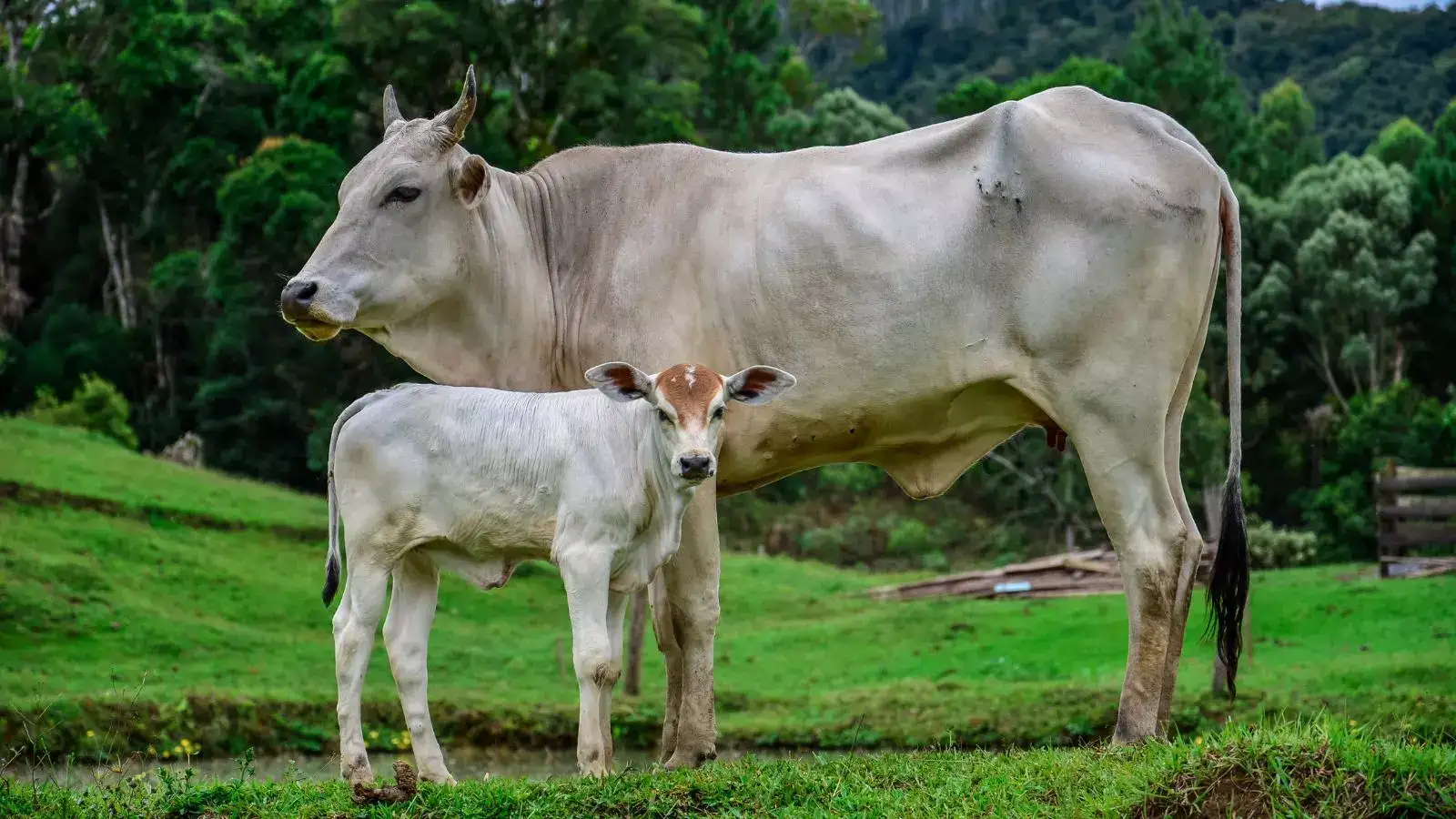
Trade experts tried explaining to Washington why this matters. “Imagine eating butter made from the milk of a cow that was fed meat and blood from another cow. India may never allow that,” said Ajay Srivastava from the Global Trade Research Initiative.
The US has labelled this stance “non-scientific”, but American reports back India’s concerns. A Seattle Times investigation confirmed cattle feed in the US can legally include ground remains of pigs, horses, poultry – even chicken droppings.
For Indian regulators, the economic logic of cheap feed to speed growth is unacceptable. Since 2006, India has legally required certification proving no animal-derived feed in dairy imports.
Tariffs, Local Livelihoods and Economic Fears
To protect local dairy, India also imposes steep tariffs: 30% on cheese, 40% on butter, and 60% on milk powder. For exporters like New Zealand, Australia – and especially the US – this makes entering India’s market nearly impossible.
India’s dairy industry supports over 80 million people, mostly small farmers. The State Bank of India estimates cheap US dairy could cause an annual loss of Rs 1.03 lakh crore – about 2.5–3% of India’s total Gross Value Added. “If American butter comes in cheap, our milk prices drop. What happens to the village woman who sells five litres of milk a day?” asks Mahesh Sakunde, a dairy farmer from Maharashtra.
Beyond Trade: Why It Matters to India
For Washington, India’s refusal seems “protectionist”. But Indian negotiators remain firm. “There is no question of conceding on dairy. That is a red line,” a senior Indian official stated.
With the US exporting over $8.2 billion of dairy last year, cracking the Indian market could bring huge gains. Yet Indian officials refuse to let “milk from cows that ate meat to be offered at temple altars or poured into toddler cups.”
As talks aim for $500 billion in bilateral trade by 2030, the dairy debate stays unresolved. To many, it’s a small detail. In India, it’s sacred – and non-negotiable.
At the Heart of the Dispute: America’s Dairy Ambitions
The US is eager to enter India’s vast $16.8 billion dairy market – the world’s largest, producing over 239 million metric tonnes of milk annually. Washington wants its butter, cheese, and milk powder on Indian shelves. But New Delhi isn’t ready to say yes.
Why India Says No: The ‘Non-Veg Milk’ Factor
The sticking point is deeply cultural and spiritual: India demands a guarantee that imported milk comes only from cows that have never been fed meat, blood, or animal remains. Officials call this a clear “red line” with “no exceptions, no compromises”.
This isn’t merely dietary – it’s a matter of faith. Ghee is poured into holy fires; milk bathes sacred idols. The very idea of cows being fed pig fat, chicken remains or other animal byproducts disturbs millions of vegetarian households.
Scientific or Sacred? Why India Won’t Budge
Trade experts tried explaining to Washington why this matters. “Imagine eating butter made from the milk of a cow that was fed meat and blood from another cow. India may never allow that,” said Ajay Srivastava from the Global Trade Research Initiative.
You may also like
- Get inspiration from our temples: CM on Warangal, Adilabad airports
- 'Must act now': Kashmiri leader urges UNHRC action over 'worsening' rights situation in PoJK, PoGB
- Bihar's Jungle Raj: Jolt In Jamui
- The El Nino Effect: Karnataka, Maharashtra Battling Drought-Like Conditions
- The Fatal Tyranny Of 'Log Kya Kahenge': Why India Urgently Needs A Swachh Manas Abhiyan
The US has labelled this stance “non-scientific”, but American reports back India’s concerns. A Seattle Times investigation confirmed cattle feed in the US can legally include ground remains of pigs, horses, poultry – even chicken droppings.
For Indian regulators, the economic logic of cheap feed to speed growth is unacceptable. Since 2006, India has legally required certification proving no animal-derived feed in dairy imports.
Tariffs, Local Livelihoods and Economic Fears
To protect local dairy, India also imposes steep tariffs: 30% on cheese, 40% on butter, and 60% on milk powder. For exporters like New Zealand, Australia – and especially the US – this makes entering India’s market nearly impossible.
India’s dairy industry supports over 80 million people, mostly small farmers. The State Bank of India estimates cheap US dairy could cause an annual loss of Rs 1.03 lakh crore – about 2.5–3% of India’s total Gross Value Added. “If American butter comes in cheap, our milk prices drop. What happens to the village woman who sells five litres of milk a day?” asks Mahesh Sakunde, a dairy farmer from Maharashtra.
Beyond Trade: Why It Matters to India
For Washington, India’s refusal seems “protectionist”. But Indian negotiators remain firm. “There is no question of conceding on dairy. That is a red line,” a senior Indian official stated.
With the US exporting over $8.2 billion of dairy last year, cracking the Indian market could bring huge gains. Yet Indian officials refuse to let “milk from cows that ate meat to be offered at temple altars or poured into toddler cups.”
As talks aim for $500 billion in bilateral trade by 2030, the dairy debate stays unresolved. To many, it’s a small detail. In India, it’s sacred – and non-negotiable.






Loving Newspoint? Download the app now
