
Train Leaves Nearly 2 Hours Early, Family Stranded; Railways Ordered To Pay Compensation

A family travelling from Goa to Delhi was left stranded at a railway station after their train allegedly departed almost two hours before the scheduled time printed on their tickets. With no direct communication about the revised departure, the passengers missed their journey and had to arrange alternative transport at an additional cost.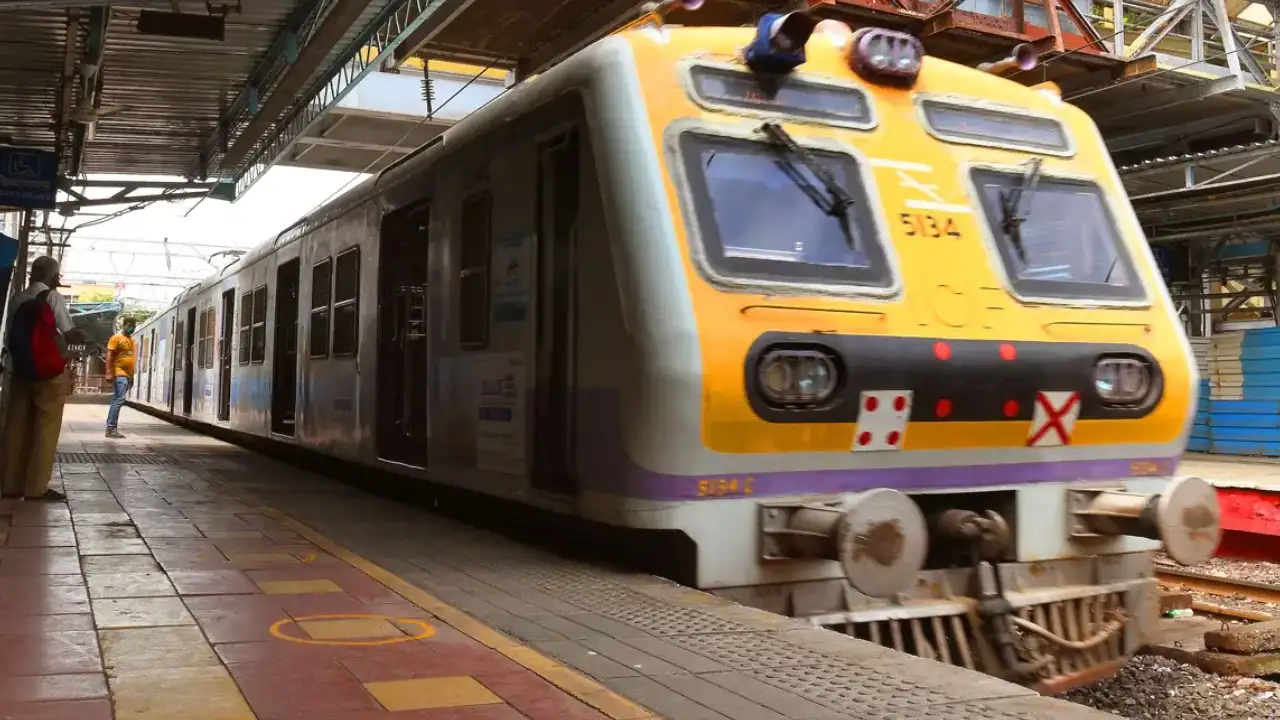
The incident has now resulted in a consumer dispute, with a district commission directing railway authorities and the Indian Railway Catering and Tourism Corporation (IRCTC) to pay a combined compensation of Rs 15,620. The order covers the original ticket fare as well as compensation for the inconvenience, mental distress and legal expenses faced by the family.
According to the complaint, the family reached the station well before the departure time mentioned on their tickets. However, they were shocked to discover that the train had already left, reportedly operating according to a revised timetable that brought its departure forward by nearly two hours.
The passengers claimed they had received no direct notification informing them about the change. As they had already missed the train, the family had to make fresh travel arrangements and book flight tickets to reach Delhi.
The unexpected development not only disrupted their journey but also increased their overall travel expenses. The family subsequently approached the consumer commission, seeking relief for the financial loss and inconvenience.
They maintained that information about the updated schedule was displayed at railway stations, announced through public address systems and made available on the Konkan Railway website. Their position was that the revised timings had been made public through these channels.
IRCTC, meanwhile, argued that its role was restricted to facilitating online railway ticket bookings. It maintained that train operations, scheduling decisions and changes to departure timings were outside its operational responsibilities.
The commission emphasised that railway passengers are entitled to timely and satisfactory services. It also observed that travellers should not be left at the mercy of administrative decisions that disrupt their plans without adequate notice.
Taking note of the family's experience, the commission directed Northern Railway, Konkan Railway and IRCTC to provide a combined payment of Rs 15,620.
The compensation includes Rs 10,620 as a refund of the original train ticket fare. An additional Rs 5,000 has been awarded towards mental agony, harassment and litigation expenses.
The ruling highlights the importance of effective passenger communication when railway schedules are revised. While changes to train timings may be necessary for operational reasons, passengers need clear and timely information to avoid missing their journeys and facing unexpected financial losses.
The incident has now resulted in a consumer dispute, with a district commission directing railway authorities and the Indian Railway Catering and Tourism Corporation (IRCTC) to pay a combined compensation of Rs 15,620. The order covers the original ticket fare as well as compensation for the inconvenience, mental distress and legal expenses faced by the family.
Family discovers train has already left
The complainant had booked three railway tickets for himself, his wife and their daughter to travel from Madgaon in Goa to Hazrat Nizamuddin in Delhi on June 10, 2024. The total booking amount was Rs 10,620.According to the complaint, the family reached the station well before the departure time mentioned on their tickets. However, they were shocked to discover that the train had already left, reportedly operating according to a revised timetable that brought its departure forward by nearly two hours.
The passengers claimed they had received no direct notification informing them about the change. As they had already missed the train, the family had to make fresh travel arrangements and book flight tickets to reach Delhi.
The unexpected development not only disrupted their journey but also increased their overall travel expenses. The family subsequently approached the consumer commission, seeking relief for the financial loss and inconvenience.
Why did the railway authorities defend the schedule change?
Responding to the complaint, the railway authorities explained that the train followed two different schedules depending on the season. Separate monsoon and non-monsoon timetables were in operation, and the revised departure timings had been communicated through various public channels.They maintained that information about the updated schedule was displayed at railway stations, announced through public address systems and made available on the Konkan Railway website. Their position was that the revised timings had been made public through these channels.
IRCTC, meanwhile, argued that its role was restricted to facilitating online railway ticket bookings. It maintained that train operations, scheduling decisions and changes to departure timings were outside its operational responsibilities.
Commission orders Rs 15,620 compensation
The Ferozepur District Consumer Disputes Redressal Commission examined the circumstances and held that passengers should not have to bear the consequences of inadequate communication about changes affecting their journeys.The commission emphasised that railway passengers are entitled to timely and satisfactory services. It also observed that travellers should not be left at the mercy of administrative decisions that disrupt their plans without adequate notice.
Taking note of the family's experience, the commission directed Northern Railway, Konkan Railway and IRCTC to provide a combined payment of Rs 15,620.
The compensation includes Rs 10,620 as a refund of the original train ticket fare. An additional Rs 5,000 has been awarded towards mental agony, harassment and litigation expenses.
The ruling highlights the importance of effective passenger communication when railway schedules are revised. While changes to train timings may be necessary for operational reasons, passengers need clear and timely information to avoid missing their journeys and facing unexpected financial losses.
Next Story