
Types of Holi: From Lathmar to Phoolon Ki Holi – 9 Unique Holi Celebrations Across India

Types of Holi celebrated across India beautifully showcase how one festival can take on many vibrant forms. In 2026, Holi will be celebrated on March 4, marking the arrival of spring with colours, joy and togetherness. While many people celebrate with gulal and water, different regions have their own distinctive rituals rooted in mythology, devotion and local culture.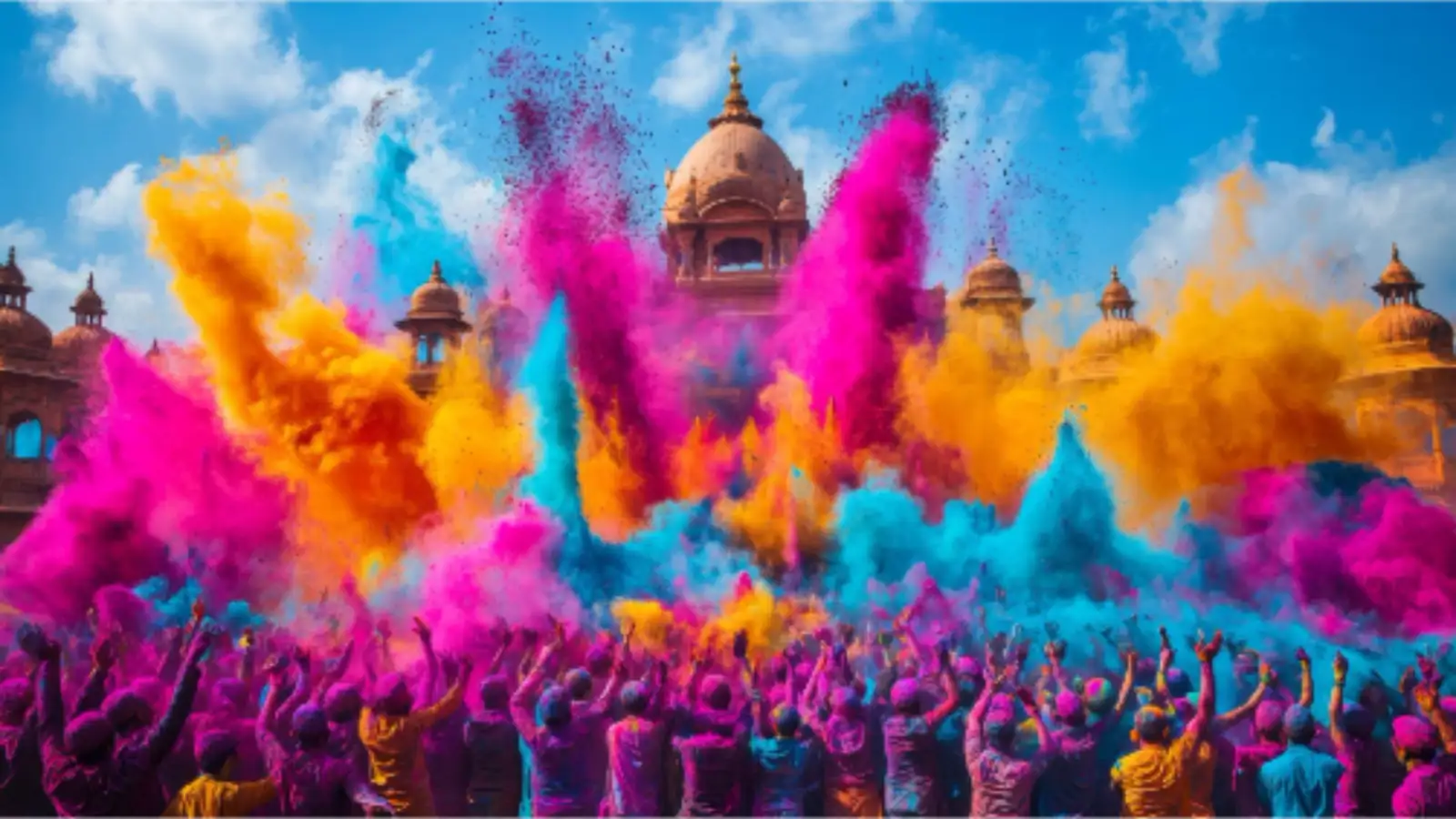
Here’s a look at nine extraordinary types of Holi celebrations that highlight India’s cultural richness.
1. Lathmar Holi – Barsana, Uttar Pradesh
One of the most famous and dramatic types of Holi is Barsana’s Lathmar Holi. In this playful tradition, women chase men with wooden sticks (lathis), while the men shield themselves. The celebration recreates the legendary tale of Radha and Krishna. Filled with laughter and teasing, this event takes place a few days before the main Holi festival.
2. Phoolon Ki Holi – Vrindavan, Uttar Pradesh
Celebrated in Vrindavan, Phoolon Ki Holi replaces colours with fragrant flower petals. At the revered Banke Bihari Temple, devotees shower each other with blossoms, creating a mesmerising scene. This eco-friendly celebration symbolises divine love and devotion.
3. Dol Jatra – West Bengal
In West Bengal, Holi is known as Dol Jatra. Idols of Radha and Krishna are beautifully decorated and carried in grand processions. Devotees sing devotional songs, apply abir (coloured powder) and enjoy traditional sweets like malpoa. The atmosphere blends spirituality with festivity.
4. Rang Panchami – Maharashtra
In Maharashtra, Holi celebrations extend to Rang Panchami, observed five days after Holika Dahan. Streets come alive with colours and water splashes. Folk music, especially Lavani performances, and festive dishes like Puran Poli add to the excitement.
5. Yaosang – Manipur
In the north-eastern state of Manipur, Holi is celebrated as Yaosang. This six-day festival combines sports, cultural performances and the popular Thabal Chongba folk dance. Young people participate enthusiastically, blending tradition with community bonding.
6. Shigmo – Goa
Goa celebrates Shigmo, a spring festival featuring colourful parades, traditional folk dances and vibrant rangoli art. The rhythmic beats of large drums fill the air as communities come together to mark the changing season.
7. Baithki Holi – Uttarakhand
In Uttarakhand, Baithki Holi offers a more serene and musical experience. Devotees gather in seated groups to sing classical ragas dedicated to Lord Krishna. The celebrations can continue for over two weeks, focusing on devotion rather than colour play.
8. Manjal Kuli – Kerala
In parts of Kerala, Holi takes the form of Manjal Kuli. Instead of gulal, people apply turmeric paste on each other, symbolising purification and positivity. The celebration also includes feasting and family gatherings.
9. Huranga – Mathura
In Mathura, Huranga is celebrated a day after the main Holi festival. Women playfully drench men with water and engage in spirited fun, continuing the festive energy in a lively and humorous manner.
Why These Types of Holi Matter
From playful stick battles to showers of flowers and soulful musical gatherings, the many types of Holi reflect India’s extraordinary diversity. Each region adds its own flavour to the spring festival, keeping traditions alive while strengthening community bonds.
Holi is not just about colours - it is about heritage, devotion, celebration and the timeless spirit of togetherness that unites people across the country.
Here’s a look at nine extraordinary types of Holi celebrations that highlight India’s cultural richness.
1. Lathmar Holi – Barsana, Uttar Pradesh
One of the most famous and dramatic types of Holi is Barsana’s Lathmar Holi. In this playful tradition, women chase men with wooden sticks (lathis), while the men shield themselves. The celebration recreates the legendary tale of Radha and Krishna. Filled with laughter and teasing, this event takes place a few days before the main Holi festival.
2. Phoolon Ki Holi – Vrindavan, Uttar Pradesh
Celebrated in Vrindavan, Phoolon Ki Holi replaces colours with fragrant flower petals. At the revered Banke Bihari Temple, devotees shower each other with blossoms, creating a mesmerising scene. This eco-friendly celebration symbolises divine love and devotion.
3. Dol Jatra – West Bengal
In West Bengal, Holi is known as Dol Jatra. Idols of Radha and Krishna are beautifully decorated and carried in grand processions. Devotees sing devotional songs, apply abir (coloured powder) and enjoy traditional sweets like malpoa. The atmosphere blends spirituality with festivity.
You may also like
- Outstanding retail loans up 18% to Rs 162 lakh cr in Q3: Report
 Maha Ladki Bahins: Disbursement of January instalment begins
- Japan plans to deploy missile systems on island near Taiwan by 2031
- High security registration plates mandatory for all vehicles: Govt
- Opposition non-existent in 90-95 assembly seats: Assam CM
4. Rang Panchami – Maharashtra
In Maharashtra, Holi celebrations extend to Rang Panchami, observed five days after Holika Dahan. Streets come alive with colours and water splashes. Folk music, especially Lavani performances, and festive dishes like Puran Poli add to the excitement.
5. Yaosang – Manipur
In the north-eastern state of Manipur, Holi is celebrated as Yaosang. This six-day festival combines sports, cultural performances and the popular Thabal Chongba folk dance. Young people participate enthusiastically, blending tradition with community bonding.
6. Shigmo – Goa
Goa celebrates Shigmo, a spring festival featuring colourful parades, traditional folk dances and vibrant rangoli art. The rhythmic beats of large drums fill the air as communities come together to mark the changing season.
7. Baithki Holi – Uttarakhand
In Uttarakhand, Baithki Holi offers a more serene and musical experience. Devotees gather in seated groups to sing classical ragas dedicated to Lord Krishna. The celebrations can continue for over two weeks, focusing on devotion rather than colour play.
8. Manjal Kuli – Kerala
In parts of Kerala, Holi takes the form of Manjal Kuli. Instead of gulal, people apply turmeric paste on each other, symbolising purification and positivity. The celebration also includes feasting and family gatherings.
9. Huranga – Mathura
In Mathura, Huranga is celebrated a day after the main Holi festival. Women playfully drench men with water and engage in spirited fun, continuing the festive energy in a lively and humorous manner.
Why These Types of Holi Matter
From playful stick battles to showers of flowers and soulful musical gatherings, the many types of Holi reflect India’s extraordinary diversity. Each region adds its own flavour to the spring festival, keeping traditions alive while strengthening community bonds.
Holi is not just about colours - it is about heritage, devotion, celebration and the timeless spirit of togetherness that unites people across the country.






More from our partners


Loving Newspoint? Download the app now
