
Will Union Budget 2026 Be Delayed After Ajit Pawar’s Death? What Rules And Past Precedents Say

The tragic death of Maharashtra Deputy Chief Minister Ajit Pawar in a plane crash near Baramati on January 28 has left the nation in shock. As condolences pour in from across the political spectrum, questions are also being raised about whether this sudden loss could impact key national events most notably, the presentation of the Union Budget 2026, scheduled for February 1.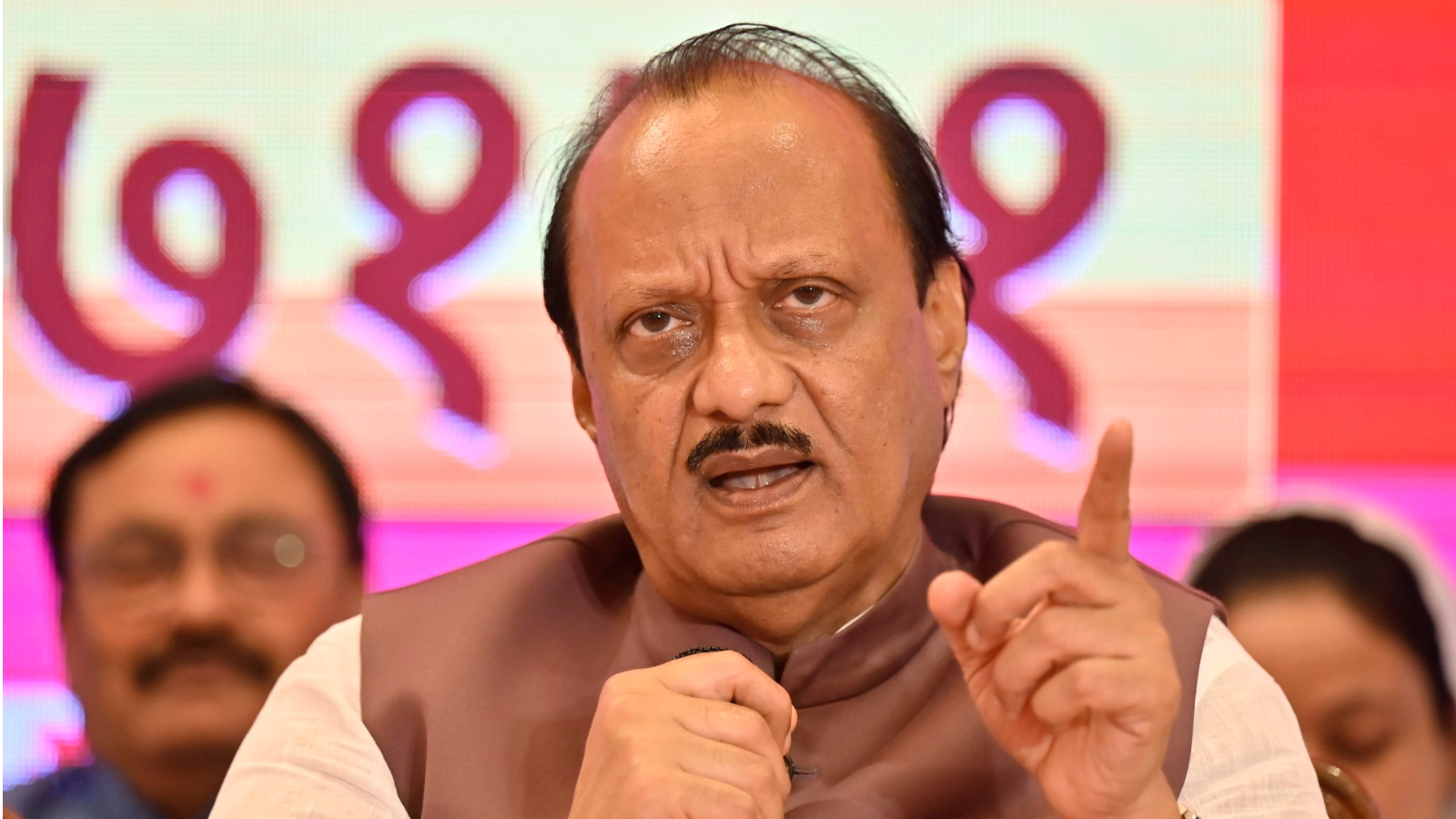
With only four days separating the incident and the Budget date, speculation has grown around whether Parliament could postpone the Budget if national mourning is declared. However, constitutional provisions and past parliamentary precedents strongly suggest that the Budget timeline is unlikely to change.
Based on established parliamentary practice, the answer is no. The presentation of the Union Budget is considered a constitutional responsibility of the central government. It is closely tied to the financial calendar, as budgetary approvals must be in place before the new financial year begins on April 1.
Delaying the Budget would require complex procedural adjustments and is generally avoided unless the central government itself is facing an extraordinary crisis.
What past precedents show
One of the most significant precedents dates back to February 1, 2017, when senior Congress leader and sitting Lok Sabha MP E. Ahamed passed away just hours before the Union Budget presentation. Despite conventions that allow for the adjournment of Parliament following the death of a sitting member, the then Speaker ruled that the Budget must proceed as scheduled.
The ruling made it clear that while the House acknowledges such losses with respect, the Union Budget remains a constitutional obligation that cannot be deferred.
Ajit Pawar was a Member of the Maharashtra Legislative Assembly and served as the state’s Deputy Chief Minister. Importantly, he was not a sitting member of either the Lok Sabha or the Rajya Sabha.
Parliamentary procedure generally provides for adjournment only in the case of the death of a sitting member of the concerned House. While Pawar’s death is a major national loss, it does not procedurally halt Union Parliament business.
What happens if national mourning is declared
Even if the government announces state or national mourning, such declarations typically involve symbolic gestures such as flying flags at half-mast and cancelling official entertainment. They do not mandate the suspension of Parliament or postponement of crucial legislative and financial business, including the Union Budget.
With several days between the incident and February 1, there is also sufficient time for formal tributes to be paid without disrupting the Budget schedule.
Why the Budget is unlikely to be postponed
The Union Budget sets the economic roadmap for the year ahead. Any delay can disrupt financial planning, ministry allocations, and market expectations. Historically, the government has prioritised continuity in budgetary processes, even during periods of national grief.
As things stand, constitutional necessity, precedent, and parliamentary procedure all point to one conclusion: the Union Budget 2026 is expected to be presented on February 1 as scheduled.
With only four days separating the incident and the Budget date, speculation has grown around whether Parliament could postpone the Budget if national mourning is declared. However, constitutional provisions and past parliamentary precedents strongly suggest that the Budget timeline is unlikely to change.
Is the Union Budget date likely to change?
Based on established parliamentary practice, the answer is no. The presentation of the Union Budget is considered a constitutional responsibility of the central government. It is closely tied to the financial calendar, as budgetary approvals must be in place before the new financial year begins on April 1.
Delaying the Budget would require complex procedural adjustments and is generally avoided unless the central government itself is facing an extraordinary crisis.
What past precedents show
One of the most significant precedents dates back to February 1, 2017, when senior Congress leader and sitting Lok Sabha MP E. Ahamed passed away just hours before the Union Budget presentation. Despite conventions that allow for the adjournment of Parliament following the death of a sitting member, the then Speaker ruled that the Budget must proceed as scheduled. The ruling made it clear that while the House acknowledges such losses with respect, the Union Budget remains a constitutional obligation that cannot be deferred.
How Ajit Pawar’s position matters
You may also like
- "Congress turned into recruiting agency for BJP": Pinarayi Vijayan in Kerala Assembly session
- Students protest against new UGC Bill in Patna, call for nationwide strike on Feb 1
- Ajit Pawar plane crash: Fadnavis accuses Mamata Banerjee of "stooping to low level in politics"
- From just 'fatigue' to seizures: 30-year-old teacher's mysterious vision blurs led to life-changing diagnoses, shares Hyderabad neurologist
- Rajasthan MP writes to PM Modi, EAM Jaishankar seeking repatriation of Indian citizens missing in Russia
Ajit Pawar was a Member of the Maharashtra Legislative Assembly and served as the state’s Deputy Chief Minister. Importantly, he was not a sitting member of either the Lok Sabha or the Rajya Sabha.
Parliamentary procedure generally provides for adjournment only in the case of the death of a sitting member of the concerned House. While Pawar’s death is a major national loss, it does not procedurally halt Union Parliament business.
What happens if national mourning is declared
Even if the government announces state or national mourning, such declarations typically involve symbolic gestures such as flying flags at half-mast and cancelling official entertainment. They do not mandate the suspension of Parliament or postponement of crucial legislative and financial business, including the Union Budget. With several days between the incident and February 1, there is also sufficient time for formal tributes to be paid without disrupting the Budget schedule.
Why the Budget is unlikely to be postponed
The Union Budget sets the economic roadmap for the year ahead. Any delay can disrupt financial planning, ministry allocations, and market expectations. Historically, the government has prioritised continuity in budgetary processes, even during periods of national grief. As things stand, constitutional necessity, precedent, and parliamentary procedure all point to one conclusion: the Union Budget 2026 is expected to be presented on February 1 as scheduled.






More from our partners


Loving Newspoint? Download the app now
