
What If The Ganga-Brahmaputra Delta Keeps Sinking? Are 23 Crore People In Danger?

One of the world’s largest river deltas is facing a silent but serious threat. The Ganga-Brahmaputra delta, home to nearly 23 crore people, is gradually sinking, and scientists warn this slow change could deepen the impact of climate-related disasters across the region.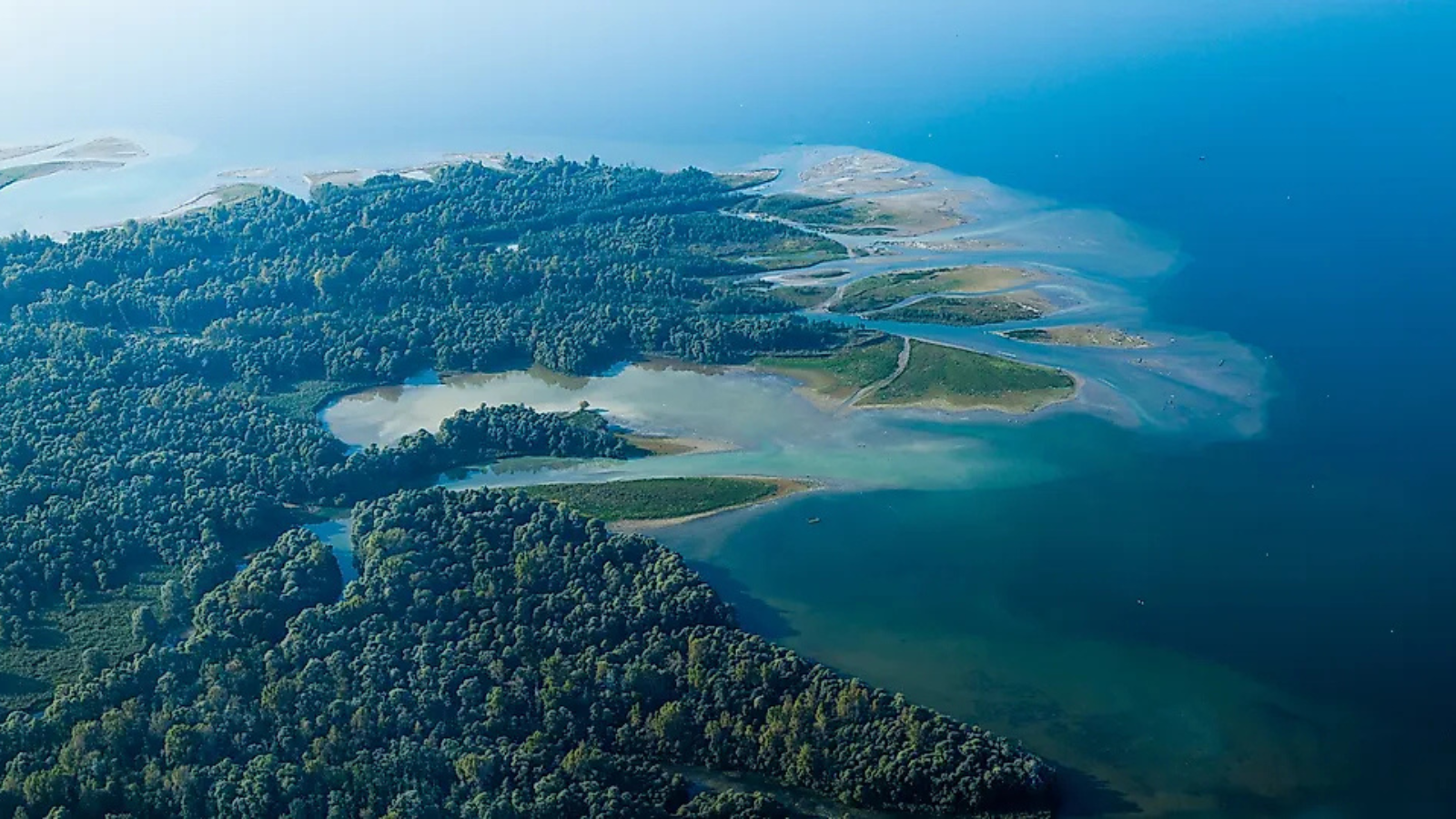
The delta, which spans eastern India and Bangladesh, supports millions through farming, fishing, ports and major urban centres. New scientific findings suggest that land in many major river deltas worldwide is sinking at rates that are equal to or even higher than rising sea levels. The Ganga-Brahmaputra delta is among the most affected.
River deltas are formed by layers of soft sediment carried and deposited by rivers over thousands of years. Over time, these sediments naturally compress, causing the land to sink gradually. However, human activity has significantly sped up this process.
Large-scale groundwater extraction for drinking water and agriculture compresses underground layers, leading to land subsidence. Rapid urban growth, heavy buildings, roads and embankments add pressure to the fragile surface. At the same time, dams and river engineering upstream reduce the flow of sediment that would otherwise help rebuild and stabilise the delta.
When Sinking Land Meets Rising Seas
What makes the situation especially concerning is that in several parts of the delta, land subsidence is happening as fast as, or faster than, sea levels are rising globally. For local communities, this means the sea appears to be advancing much quicker than expected.
This combined effect increases the frequency of flooding, worsens storm surges during cyclones, accelerates coastal erosion and allows saltwater to seep into farmland and freshwater supplies. These changes pose a serious threat to food security, drinking water and livelihoods.
The delta is not sinking at the same rate everywhere. Some areas still receive enough river sediment to remain relatively stable. However, densely populated regions and areas heavily altered by human activity face far greater risk.
This uneven pattern makes disaster management more complex. Even small drops in land elevation can expose large populations to floods, displacement and economic loss. With around 23 crore people living in the region, the stakes could not be higher.
Experts warn that the delta is not on the verge of vanishing overnight. But without urgent steps such as sustainable groundwater use, better urban planning and restoring natural sediment flows, sinking land could turn existing climate pressures into a major humanitarian crisis.
The message is clear. Rising seas are only part of the danger. In the Ganga-Brahmaputra delta, the ground itself is slowly sinking, and the window for action is narrowing.
The delta, which spans eastern India and Bangladesh, supports millions through farming, fishing, ports and major urban centres. New scientific findings suggest that land in many major river deltas worldwide is sinking at rates that are equal to or even higher than rising sea levels. The Ganga-Brahmaputra delta is among the most affected.
Why the Ganga-Brahmaputra Delta Is Sinking
River deltas are formed by layers of soft sediment carried and deposited by rivers over thousands of years. Over time, these sediments naturally compress, causing the land to sink gradually. However, human activity has significantly sped up this process.
Large-scale groundwater extraction for drinking water and agriculture compresses underground layers, leading to land subsidence. Rapid urban growth, heavy buildings, roads and embankments add pressure to the fragile surface. At the same time, dams and river engineering upstream reduce the flow of sediment that would otherwise help rebuild and stabilise the delta.
You may also like
- Cloudy weather in Jaipur; thunderstorm alert issued in Rajasthan
 Kerala: Sabarimala Karma Samithi protest at Kerala Secretariat, demanding a CBI probe into the Sabarimala gold theft
- EU says 'priority is to engage not escalate' after Trump tariff threat
 Kolkata Messi event mess: Main organiser Satadru Dutta gets bail
- UK, France weighs ban on social media for youth as debate rages
When Sinking Land Meets Rising Seas
What makes the situation especially concerning is that in several parts of the delta, land subsidence is happening as fast as, or faster than, sea levels are rising globally. For local communities, this means the sea appears to be advancing much quicker than expected. This combined effect increases the frequency of flooding, worsens storm surges during cyclones, accelerates coastal erosion and allows saltwater to seep into farmland and freshwater supplies. These changes pose a serious threat to food security, drinking water and livelihoods.
Risks Are Uneven but Deeply Concerning
The delta is not sinking at the same rate everywhere. Some areas still receive enough river sediment to remain relatively stable. However, densely populated regions and areas heavily altered by human activity face far greater risk.
This uneven pattern makes disaster management more complex. Even small drops in land elevation can expose large populations to floods, displacement and economic loss. With around 23 crore people living in the region, the stakes could not be higher.
Experts warn that the delta is not on the verge of vanishing overnight. But without urgent steps such as sustainable groundwater use, better urban planning and restoring natural sediment flows, sinking land could turn existing climate pressures into a major humanitarian crisis.
The message is clear. Rising seas are only part of the danger. In the Ganga-Brahmaputra delta, the ground itself is slowly sinking, and the window for action is narrowing.






More from our partners


Loving Newspoint? Download the app now
