
What To Do When Money Is Deducted But Not Withdrawn From ATM? RBI Guidelines Unveiled

Ever experienced the frustration of money being deducted from your bank account during an ATM withdrawal , only to find out that the cash never made it into your hands? Fear not, as the Reserve Bank of India (RBI) has laid down clear guidelines on how to reclaim your lost funds. In this guide, we'll walk you through the simple steps to ensure a swift resolution to this common banking hiccup.
Timeframe for Automatic Refund:
According to RBI regulations, if an ATM withdrawal transaction fails, despite the deduction from your bank account, the money should be automatically refunded within a maximum of T+5 days, meaning within 5 days from the transaction date. This ensures that your hard-earned money isn't stuck in limbo due to a failed transaction.
Compensation for Delay:
Should the bank fail to auto-reverse the debited amount within the stipulated time, they are liable to pay compensation. A daily compensation of Rs 100 is mandated for every day beyond the T+5 days until the money is credited back to your account. This serves as a deterrent to ensure prompt resolution.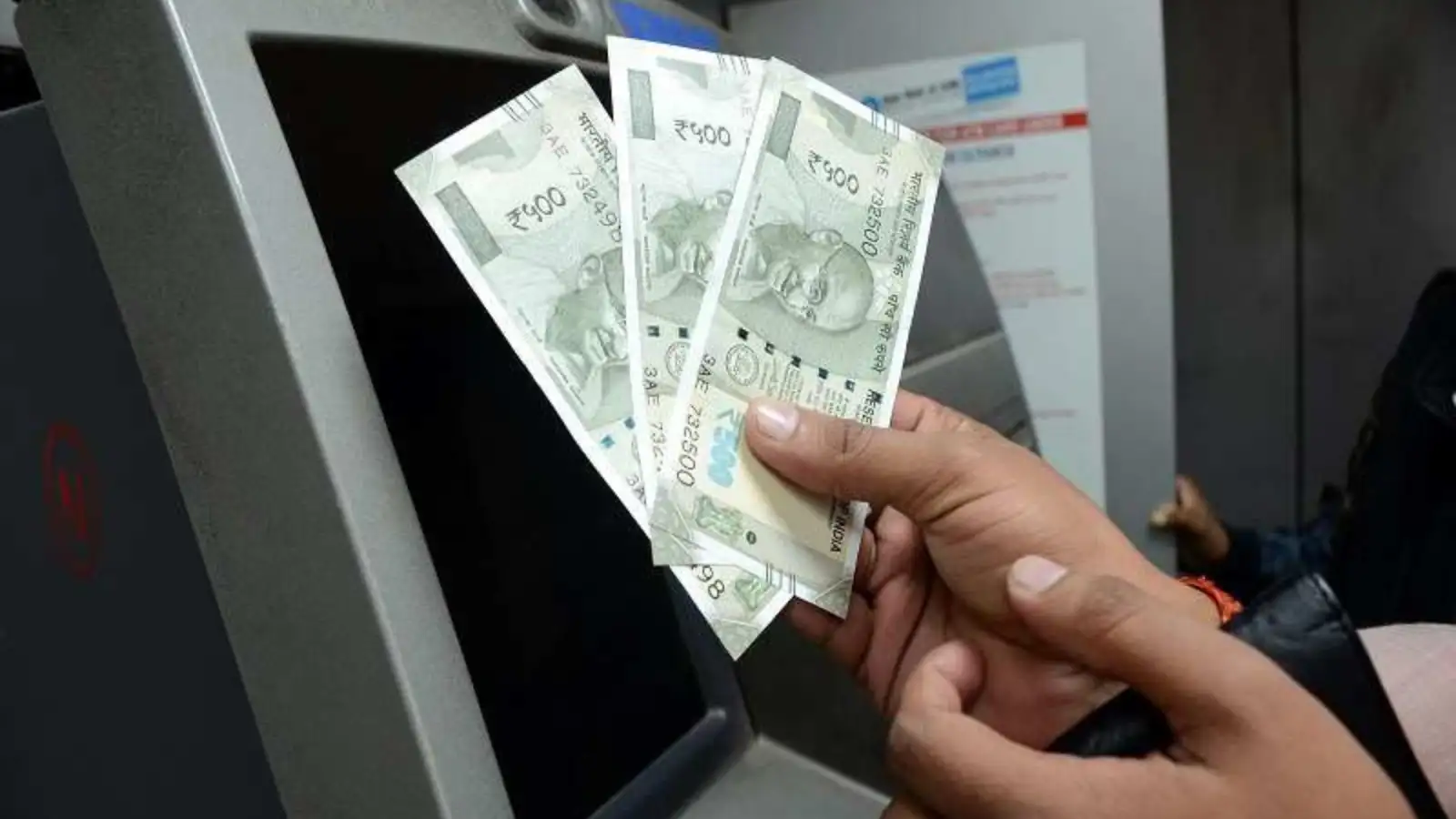
Immediate Action Required:
To kickstart the process, take note of the ATM machine number displayed on the front and securely keep the transaction slip. Without delay, contact your bank's customer care, providing them with all the necessary details. Immediate reporting is crucial to expedite the resolution. In case of reluctance, filing a complaint at your bank branch is also an option.
Escalating the Issue:
If your bank doesn't comply with your request or disputes the non-receipt of money, there's a three-tier authority to escalate the matter. Start by contacting the internal ombudsman of the bank, who can be reached through the nodal officer.
RBI Ombudsman for Final Resort:
Should the internal ombudsman fail to resolve the issue to your satisfaction, the RBI Ombudsman becomes the next step. Utilize the dedicated online ombudsman website or reach out to the appointed RBI ombudsman officers for a final resolution to reclaim your funds.
By following these steps, you can navigate through the process with ease and ensure that your money is rightfully returned to your bank account. Remember, timely reporting and escalation are key to a swift resolution.
Timeframe for Automatic Refund:
According to RBI regulations, if an ATM withdrawal transaction fails, despite the deduction from your bank account, the money should be automatically refunded within a maximum of T+5 days, meaning within 5 days from the transaction date. This ensures that your hard-earned money isn't stuck in limbo due to a failed transaction.
Compensation for Delay:
Should the bank fail to auto-reverse the debited amount within the stipulated time, they are liable to pay compensation. A daily compensation of Rs 100 is mandated for every day beyond the T+5 days until the money is credited back to your account. This serves as a deterrent to ensure prompt resolution.
You may also like
- A kidney wait since 2024 ends with an Army airlift and a rare double transplant
- CEC should be suspended, FIR filed to probe who in govt is behind his actions: Sibal
- President Murmu urges students to keep interests of nation and society paramount
- 'This is treason': Rahul Gandhi revives 'vote chori' charge after report of rift within EC
- Deep depression triggers heavy rain in Odisha, 5,000 people evacuated
Immediate Action Required:
To kickstart the process, take note of the ATM machine number displayed on the front and securely keep the transaction slip. Without delay, contact your bank's customer care, providing them with all the necessary details. Immediate reporting is crucial to expedite the resolution. In case of reluctance, filing a complaint at your bank branch is also an option.
Escalating the Issue:
If your bank doesn't comply with your request or disputes the non-receipt of money, there's a three-tier authority to escalate the matter. Start by contacting the internal ombudsman of the bank, who can be reached through the nodal officer.
RBI Ombudsman for Final Resort:
Should the internal ombudsman fail to resolve the issue to your satisfaction, the RBI Ombudsman becomes the next step. Utilize the dedicated online ombudsman website or reach out to the appointed RBI ombudsman officers for a final resolution to reclaim your funds.
By following these steps, you can navigate through the process with ease and ensure that your money is rightfully returned to your bank account. Remember, timely reporting and escalation are key to a swift resolution.






Loving Newspoint? Download the app now
