
Which Diamond Holds The Title Of Mountain Of Light?

Diamonds are among the Earth’s most remarkable creations, formed billions of years ago under extreme pressure and heat. Composed entirely of carbon, diamonds are the hardest natural substance known to man. Among them, one gem stands out with a story as brilliant as its sparkle, the Koh-I-Noor diamond, famously called the Mountain of Light.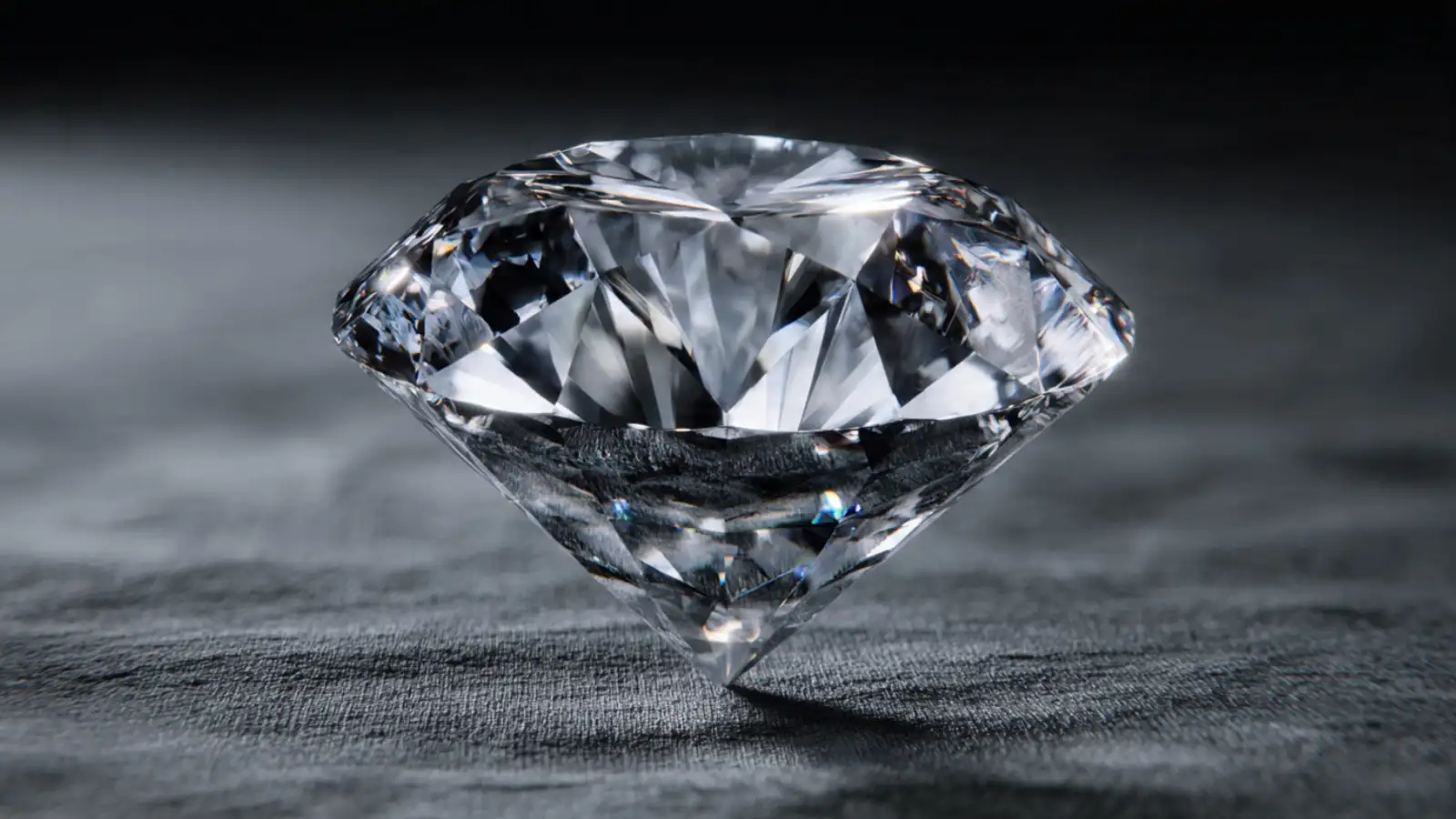
What Is the Mountain of Light Diamond ?
The Koh-I-Noor earned its name from Persian, meaning “Mountain of Light.” Its legendary brilliance has dazzled rulers, conquerors, and collectors for centuries. Nadir Shah of Persia famously exclaimed its name upon seeing it in 1739, cementing its legendary status.
Read More: Which State Is Called The Kohinoor Of India? Full Story Explained
History of the Koh-I-Noor Diamond
Ancient Origins (Before 1500s)
The diamond is believed to have been mined in India, possibly in present-day Andhra Pradesh. Early Sanskrit texts refer to it as Samantika Mani, highlighting its value and rarity.
Mughal Era (1526–1739)
The diamond became part of the Mughal treasury under Babur and passed through emperors including Shah Jahan and Aurangzeb. It symbolised imperial wealth and power.
Persian and Afghan Rule (1739–1813)
Seized by Nadir Shah during his invasion of Delhi, it received the name Koh-I-Noor. Later, it passed to Afghan rulers before reaching the Sikh Empire.
Sikh Empire (1813–1849)
The diamond came into the possession of Maharaja Ranjit Singh and later his heir, Maharaja Duleep Singh.
British Possession (1849–Present)
After the Second Anglo-Sikh War, it was ceded to Britain and became part of the British Crown Jewels, now housed in the Tower of London.
Physical Characteristics of the Koh-I-Noor
The Koh-I-Noor remains unmatched in historical significance, size, and clarity, though modern lab-grown diamonds can match its clarity.
Why Is It Called the Mountain of Light?
The name reflects the diamond’s incredible brilliance and historical prominence. Its journey across empires, kingdoms, and continents has made it not only a gemstone but a symbol of power, prestige, and enduring fascination.
Modern Perspective and Lab-Grown Diamonds
Today, lab-grown diamonds can achieve remarkable clarity and can even be produced in larger sizes than the Koh-I-Noor. However, the historical value and legacy of the Mountain of Light remain incomparable.
The Koh-I-Noor diamond, or the Mountain of Light, is more than just a gem, it is a symbol of human history, artistry, and conquest. Its unmatched brilliance, rich legacy, and unique story ensure it continues to capture the imagination of the world.
What Is the Mountain of Light Diamond ?
The Koh-I-Noor earned its name from Persian, meaning “Mountain of Light.” Its legendary brilliance has dazzled rulers, conquerors, and collectors for centuries. Nadir Shah of Persia famously exclaimed its name upon seeing it in 1739, cementing its legendary status. - Chemical Composition: 100% carbon (Type IIa diamond)
- Shape: Oval with 68 facets
- Colour: D-colour, exceptionally transparent
Read More: Which State Is Called The Kohinoor Of India? Full Story Explained
History of the Koh-I-Noor Diamond
Ancient Origins (Before 1500s)
The diamond is believed to have been mined in India, possibly in present-day Andhra Pradesh. Early Sanskrit texts refer to it as Samantika Mani, highlighting its value and rarity.Mughal Era (1526–1739)
The diamond became part of the Mughal treasury under Babur and passed through emperors including Shah Jahan and Aurangzeb. It symbolised imperial wealth and power. Persian and Afghan Rule (1739–1813)
Seized by Nadir Shah during his invasion of Delhi, it received the name Koh-I-Noor. Later, it passed to Afghan rulers before reaching the Sikh Empire.Sikh Empire (1813–1849)
The diamond came into the possession of Maharaja Ranjit Singh and later his heir, Maharaja Duleep Singh. British Possession (1849–Present)
After the Second Anglo-Sikh War, it was ceded to Britain and became part of the British Crown Jewels, now housed in the Tower of London. Physical Characteristics of the Koh-I-Noor
- Original Weight: 793 carats
- Current Weight: 105.6 carats after recutting
- Type IIa Diamond: Purest form with no nitrogen impurities
- Colour and Clarity: Exceptional transparency and D-colour, making it one of the finest diamonds ever
The Koh-I-Noor remains unmatched in historical significance, size, and clarity, though modern lab-grown diamonds can match its clarity.
Why Is It Called the Mountain of Light?
The name reflects the diamond’s incredible brilliance and historical prominence. Its journey across empires, kingdoms, and continents has made it not only a gemstone but a symbol of power, prestige, and enduring fascination.Modern Perspective and Lab-Grown Diamonds
Today, lab-grown diamonds can achieve remarkable clarity and can even be produced in larger sizes than the Koh-I-Noor. However, the historical value and legacy of the Mountain of Light remain incomparable. The Koh-I-Noor diamond, or the Mountain of Light, is more than just a gem, it is a symbol of human history, artistry, and conquest. Its unmatched brilliance, rich legacy, and unique story ensure it continues to capture the imagination of the world.
Next Story