
Who Is Samrat Choudhary? BJP Leader Set to Become Bihar Chief Minister, Oath Tomorrow

In a major political development, the BJP has chosen Samrat Choudhary as the next Chief Minister of Bihar, signalling a decisive shift in the state’s leadership after the long tenure of Nitish Kumar . The swearing-in ceremony is expected to take place tomorrow, marking a new phase in Bihar politics.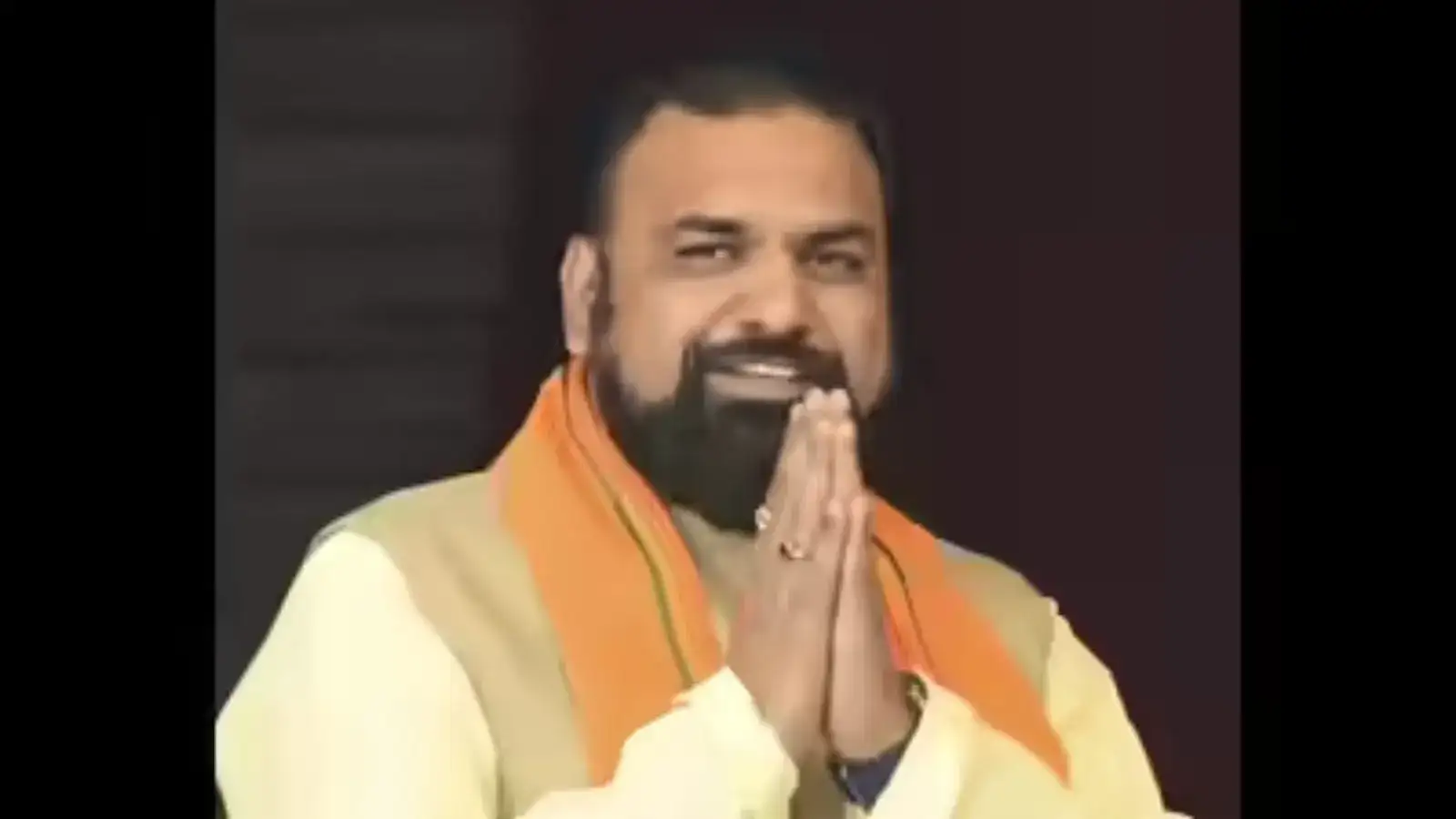
From Political Legacy to the Top Post
Born on November 16, 1968, in Lakhanpur village in Munger district, Samrat Choudhary comes from a well-established political family. His father, Shakuni Choudhary, served as a seven-time MLA and Member of Parliament, while his mother, Parvati Devi, also held a legislative position.
He completed his early education in Munger and later pursued higher studies at Madurai Kamaraj University. His early political life included a significant moment in 1995, when he spent 89 days in jail during a political movement - an experience that shaped his grassroots image.
A Journey from RJD to BJP Leadership
Choudhary began his political career in the 1990s under Lalu Prasad Yadav. His rapid rise saw him become Agriculture Minister in 1999 in the government led by Rabri Devi. He went on to win his first विधानसभा election from Parbatta in 2000.
However, his political trajectory changed significantly in 2014 when he broke away from the RJD and joined the government led by Jitan Ram Manjhi. By 2017, he had formally joined the BJP, marking the beginning of his ascent within the party.
Rise Within BJP and Consolidation of Power
After joining the BJP, Choudhary quickly emerged as a key organisational figure. His appointment as Bihar BJP president in 2023 by Amit Shah placed him at the centre of the party’s strategy in the state.
He gained attention for a symbolic political vow—refusing to remove his turban until Nitish Kumar stepped down. He fulfilled this promise in 2024 after a ritual in Ayodhya, reinforcing his assertive political image.
His administrative rise was equally swift. In January 2024, he became Deputy Chief Minister and later took charge of key portfolios. By 2025, after winning the Tarapur seat, he returned as Deputy CM and was also entrusted with the crucial Home Department.
Strong OBC Face and Strategic Choice
Samrat Choudhary belongs to the Koeri (Kushwaha) community, one of the most influential OBC groups in Bihar. His elevation to the Chief Minister’s post is seen as a calculated move by the BJP to strengthen its hold among backward class voters and reshape caste equations in the state.
With Bihar’s politics deeply influenced by social alliances, projecting Choudhary signals the party’s intent to build a broader and more stable voter base.
Governance Style and Law-and-Order Focus
Known for his firm and direct approach, Choudhary is considered close to Narendra Modi and Amit Shah. His tenure as Home Minister has been marked by a strong stance on law and order.
He issued a clear warning to criminals to "either give up crime or leave Bihar."
Key initiatives under his leadership include:
Political Journey: A Steady Rise
Samrat Choudhary’s political career reflects a consistent climb to the top:
A New Chapter Begins in Bihar
With Samrat Choudhary now set to take oath as Chief Minister, Bihar is entering a new political era. The BJP’s decision reflects its ambition to move beyond coalition politics and establish full leadership in the state.
Backed by strong organisational experience, administrative credentials, and support from the central leadership, Choudhary’s elevation could redefine Bihar’s political direction in the coming years.
From Political Legacy to the Top Post
Born on November 16, 1968, in Lakhanpur village in Munger district, Samrat Choudhary comes from a well-established political family. His father, Shakuni Choudhary, served as a seven-time MLA and Member of Parliament, while his mother, Parvati Devi, also held a legislative position.
He completed his early education in Munger and later pursued higher studies at Madurai Kamaraj University. His early political life included a significant moment in 1995, when he spent 89 days in jail during a political movement - an experience that shaped his grassroots image.
A Journey from RJD to BJP Leadership
Choudhary began his political career in the 1990s under Lalu Prasad Yadav. His rapid rise saw him become Agriculture Minister in 1999 in the government led by Rabri Devi. He went on to win his first विधानसभा election from Parbatta in 2000.
However, his political trajectory changed significantly in 2014 when he broke away from the RJD and joined the government led by Jitan Ram Manjhi. By 2017, he had formally joined the BJP, marking the beginning of his ascent within the party.
Rise Within BJP and Consolidation of Power
After joining the BJP, Choudhary quickly emerged as a key organisational figure. His appointment as Bihar BJP president in 2023 by Amit Shah placed him at the centre of the party’s strategy in the state.
He gained attention for a symbolic political vow—refusing to remove his turban until Nitish Kumar stepped down. He fulfilled this promise in 2024 after a ritual in Ayodhya, reinforcing his assertive political image.
His administrative rise was equally swift. In January 2024, he became Deputy Chief Minister and later took charge of key portfolios. By 2025, after winning the Tarapur seat, he returned as Deputy CM and was also entrusted with the crucial Home Department.
Strong OBC Face and Strategic Choice
Samrat Choudhary belongs to the Koeri (Kushwaha) community, one of the most influential OBC groups in Bihar. His elevation to the Chief Minister’s post is seen as a calculated move by the BJP to strengthen its hold among backward class voters and reshape caste equations in the state.
You may also like
- Delhi Police busts fake motorcycle spare parts racket in Karol Bagh; 2 held
- Janhvi Kapoor Channels Etheral Elegance In A Striking White Ensemble; Guess The Price Of Her Earrings
- 'PM Modi is a deshdrohi': Rahul Gandhi repeats his 'sold India in US trade deal' claim
- Who is arrested Nashik TCS HR manager, Nida Khan?
- 'Bihar will keep moving forward': Nitish Kumar resigns as Bihar chief minister
With Bihar’s politics deeply influenced by social alliances, projecting Choudhary signals the party’s intent to build a broader and more stable voter base.
Governance Style and Law-and-Order Focus
Known for his firm and direct approach, Choudhary is considered close to Narendra Modi and Amit Shah. His tenure as Home Minister has been marked by a strong stance on law and order.
He issued a clear warning to criminals to "either give up crime or leave Bihar."
Key initiatives under his leadership include:
- Crackdowns on organised crime and land mafias
- Bulldozer-style actions, drawing comparisons with Yogi Adityanath
- Launch of Abhay Brigade and Pink Policing for women’s safety
- Efforts to reduce emergency response time to under 10 minutes
Political Journey: A Steady Rise
Samrat Choudhary’s political career reflects a consistent climb to the top:
- 1990: Entered politics under Lalu Prasad Yadav
- 1995: Jailed for 89 days during a political movement
- 1999: Became Agriculture Minister
- 2000: Elected MLA from Parbatta
- 2010: Re-elected, became Chief Whip
- 2014: Split from RJD, joined Manjhi government
- 2017: Joined BJP
- 2018: Appointed BJP state vice president
- 2020: Elected to Legislative Council
- 2022: Leader of Opposition in Legislative Council
- 2023: Became BJP state president
- 2024: Appointed Deputy Chief Minister
- 2025: Won Tarapur, became Deputy CM again
- 2025: Took charge as Home Minister
A New Chapter Begins in Bihar
With Samrat Choudhary now set to take oath as Chief Minister, Bihar is entering a new political era. The BJP’s decision reflects its ambition to move beyond coalition politics and establish full leadership in the state.
Backed by strong organisational experience, administrative credentials, and support from the central leadership, Choudhary’s elevation could redefine Bihar’s political direction in the coming years.






More from our partners


Loving Newspoint? Download the app now
