
Why Food Adulteration Rackets Surge Before Diwali Despite Raids


As the festive season reaches its peak ahead of Diwali, a pervasive wave of food adulteration is threatening public health and consumer finances across India. The surge in consumer demand for dairy essentials—notably raw milk, paneer (cottage cheese), mawa (khoya), and traditional confections—creates an environment exploited by unscrupulous supply networks.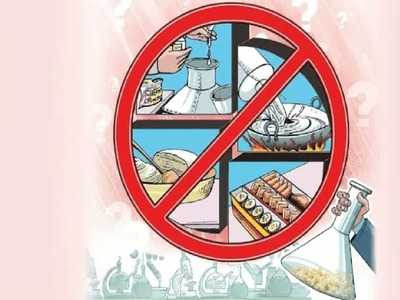 While statutory food safety authorities routinely launch high-visibility festive inspection drives, seizing tons of counterfeit products, these sporadic clampdowns fail to curtail the trade. The persistent circulation of spurious food items exposes systemic vulnerabilities within regulatory oversight, leaving families vulnerable to severe toxic contamination during celebrations.Exploiting Festive Demand: The Unchecked Flow of Spurious Dairy and SweetsThe economic dynamics surrounding the autumn festival period create incentives for food fraud across wholesale and retail hubs:Exponential Surge in Consumption: Festive celebrations trigger massive demand spikes for milk-based desserts, far exceeding the genuine production capacity of registered dairy farms and organized creameries.Widespread Contamination Vectors: Unscrupulous operators routinely substitute natural milk fats with cheap starch, detergent powders, urea, hydrogenated oils, synthetic food colors, and dangerous chemical binders to produce counterfeit khoya and paneer.Superficial Impact of Seasonal Raids: While regulatory vigilance intensifies with seasonal sample testing and confiscation drives, these measures target retail vendors rather than dismantling the underlying synthetic production supply chains.Three Structural Bottlenecks Crippling India's Food Safety ArchitectureThe inability of enforcement mechanisms to eliminate adulteration stems from three critical operational constraints:Shortage of Food Inspectors and Testing Labs: The enforcement wing under the Food Safety and Standards Authority of India (FSSAI) faces personnel deficits, with an acute shortage of designated food safety officers, accredited testing laboratories, and rapid mobile testing vans across key districts.Dominance of Unorganized Food Markets: Between 70% and 80% of India's retail food market operates in the informal sector, driven by loose, unpackaged goods, local sweet stalls, and mobile vendors whose informal supply chains evade traceability.Reliance on Civil Penalties Over Jail Sentences: Legal enforcement remains weighted toward monetary civil penalties rather than mandatory criminal prosecutions, allowing commercial offenders to treat fines as a cost of doing business without facing serious legal deterrence.Consumer Health Risks and Pre-Festive PrecautionsThe consumption of chemically synthesized food products poses immediate and long-term health hazards:Direct Health Implications: Ingesting adulterated dairy containing synthetic detergents and industrial dyes can cause severe gastroenteritis, acute food poisoning, chemical organ toxicity, and long-term renal damage.Consumer Verification: Shoppers purchasing Diwali sweets are advised to procure items from certified, FSSAI-registered vendors, avoid brightly colored confections, verify the texture and smell of khoya before purchase, and utilize basic household iodine tests to detect starch in dairy.
Next Story