
Why India’s Rural Economy Still Dances To The Monsoon’s Tune

The Indian monsoon is far more than a seasonal downpour—it's a dynamic lifeline that touches every aspect of life in the country. From filling rice fields to lighting up homes, this powerful system of winds and rains shapes India’s economy, culture, and survival in deep, unshakable ways.

Southwest Monsoon (June–September): This is the big one—responsible for 75% of the country’s annual rainfall. It waters crops, feeds rivers, and powers hydroelectricity.
Northeast Monsoon (October–December): Known as the retreating monsoon, it delivers vital rains to Tamil Nadu and parts of Andhra Pradesh—regions that get little from the southwest season.
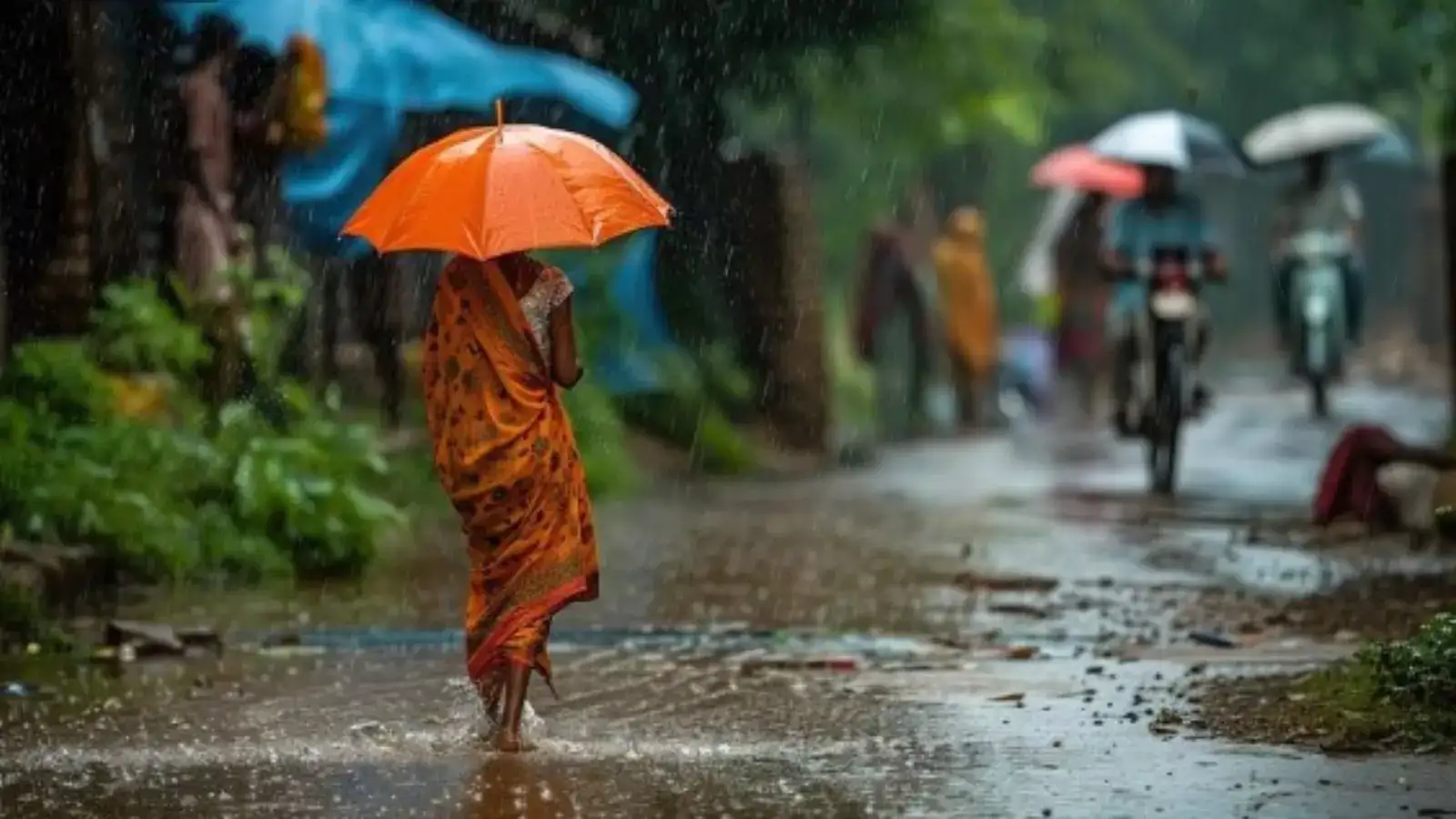



The monsoon is not just about water—it’s about resilience. In every drop lies a story of life, livelihood, and legacy. As India marches toward the future, being monsoon-smart is not a choice—it’s a necessity.
What Exactly Is the Monsoon?
The word “monsoon” comes from the Arabic mausim, meaning “season.” It refers to a dramatic seasonal reversal of winds. In summer, the land heats faster than the ocean, creating low pressure over India. This draws in moist air from the sea, bringing life-giving rain. In winter, the reverse occurs, as dry winds blow back towards the ocean. It’s a delicate dance of air and temperature—and India is the stage.Two Monsoons, One Nation
India sees two monsoons annually:Southwest Monsoon (June–September): This is the big one—responsible for 75% of the country’s annual rainfall. It waters crops, feeds rivers, and powers hydroelectricity.
Northeast Monsoon (October–December): Known as the retreating monsoon, it delivers vital rains to Tamil Nadu and parts of Andhra Pradesh—regions that get little from the southwest season.
How Monsoon Rains Spread
Rainfall in India is far from uniform. The Western Ghats and northeastern states like Meghalaya can get over 400 cm of rain a year, while places like Rajasthan may see less than 60 cm. Why? Geography plays a key role. Hills force moist air upward, causing heavy rain on windward sides. Meanwhile, areas in rain shadows—like the Deccan plateau—remain mostly dry.The ITCZ: Monsoon’s Invisible Conductor
At the heart of the monsoon’s rhythm lies the Inter-Tropical Convergence Zone (ITCZ)—a moving belt of low pressure near the equator. In summer, as the Sun shifts northward, the ITCZ follows, drawing monsoon winds into India. Come October, it drifts back south, triggering the northeast monsoon. Think of it as nature’s switchboard that powers the seasonal change.The Economic Lifeline
With nearly two-thirds of India’s population dependent on farming, a good monsoon spells food, jobs, and rural prosperity. But the catch? Just 55% of agricultural land is irrigated. The rest relies on rain. Delayed rains or sudden floods can wipe out crops, cut rural incomes, and slow economic growth. Even the country’s food habits and housing styles are tied to this seasonal cycle.Tracking the Unpredictable
The monsoon isn’t the same every year. Between 2015 and 2018, multiple regions recorded large rainfall deficits. But in 2024, a turnaround came—India received 108% of its long-term average rainfall. While central and southern regions thrived, the east and northeast fell short. Forecasting is improving, but nature still holds surprises.Climate Change Is Shifting the Monsoon
Climate change is already making monsoons more erratic. There’s no major trend in total rainfall, but extreme rainfall events are rising—up 75% since 1950 in central India. Rain now tends to fall in shorter, intense bursts, often flooding cities and eroding fertile soil. Meanwhile, long dry spells are becoming more common, hurting crops and water supplies.July Drying, September Soaking
Rain patterns are changing too. July—once the rainiest month—is drying out. September, on the other hand, is getting wetter. Onset and withdrawal dates are shifting. Add to that more frequent El Niño and La Niña events, and predicting rainfall becomes even more complex.IMD: India’s Monsoon Sentinel
The India Meteorological Department (IMD) is the nation’s weather watchdog. It issues two seasonal forecasts for the southwest monsoon, in April and June. In recent years (2021–2024), IMD achieved 100% accuracy in predicting the season’s overall rainfall—a remarkable feat considering the chaos climate change is causing.The Road Ahead
India’s future hinges on how well it understands and adapts to the monsoon. Scientific missions like Mission Mausam, accurate weather models, and early warning systems are helping. But with rising climate volatility, more investment in forecasting, water management, and public awareness is crucial.The monsoon is not just about water—it’s about resilience. In every drop lies a story of life, livelihood, and legacy. As India marches toward the future, being monsoon-smart is not a choice—it’s a necessity.
Next Story