Why The Aravallis Matter: The Ecological Shield Protecting North India’s Plains

The Aravalli Hills are not just scenic; they are a lifeline for northern India’s climate, air quality , and water. Recently, a new definition of the Aravallis, accepted by the Supreme Court, has excluded almost 90% of the range from mining protections. Environmentalists warn this could worsen degradation in a region already under stress.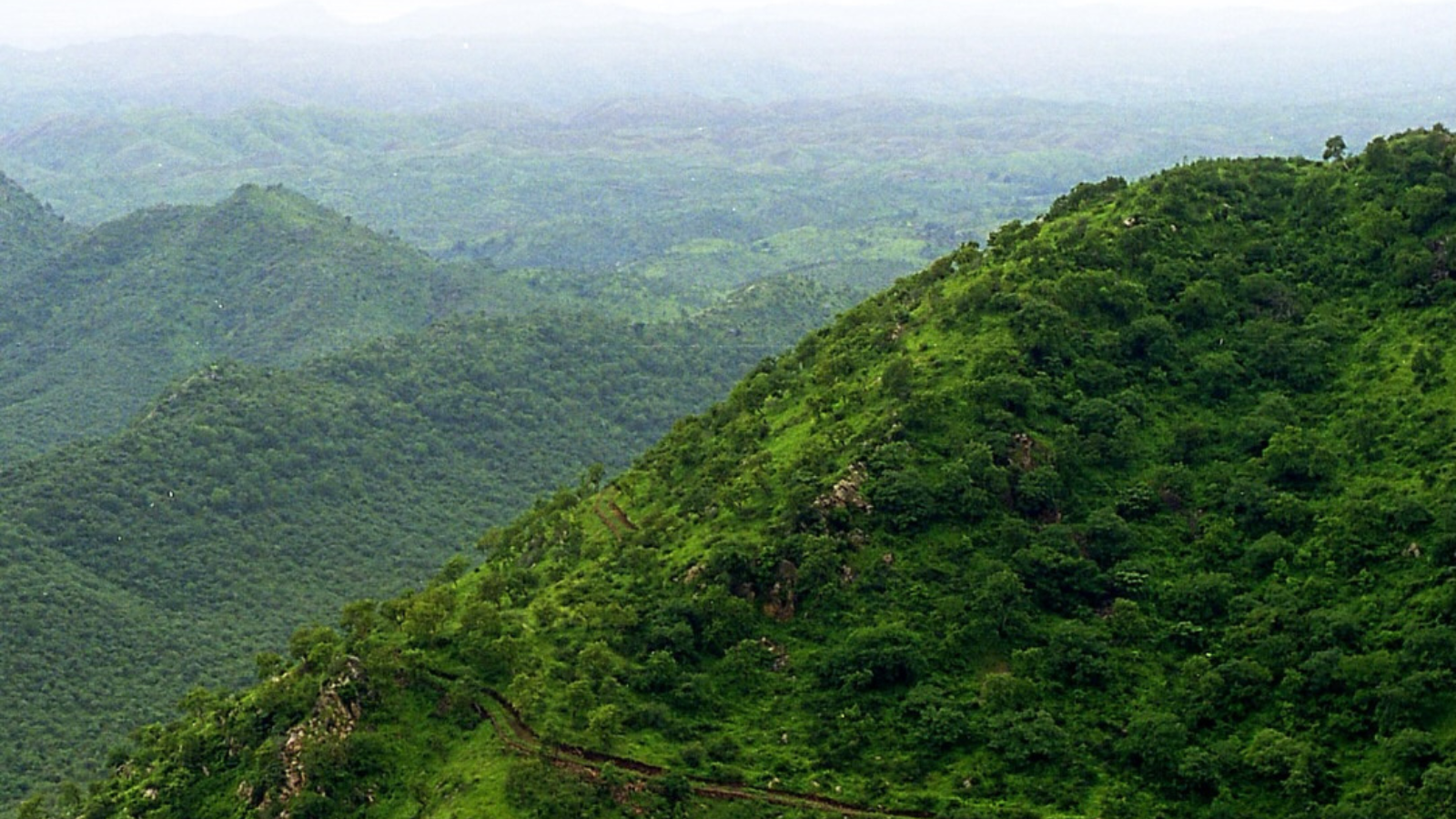
Stretching over 700 km across Gujarat, Rajasthan, Haryana, and Delhi, the Aravallis are over a billion years old. They act as a natural shield against sand from the Thar Desert, protecting the Delhi-NCR region from worsening air pollution. The hills also help maintain rainfall patterns essential for agriculture and drinking water.
Aravalli rocks are porous and fractured, allowing rainwater to seep into aquifers. This supports rivers, lakes, and seasonal water systems in Rajasthan and Gujarat. Ecologist Vijay Dhasmana says, “This invisible water reserve is crucial for towns like Gurugram, Faridabad, and Sohna. Mining or deforestation threatens this supply directly.”
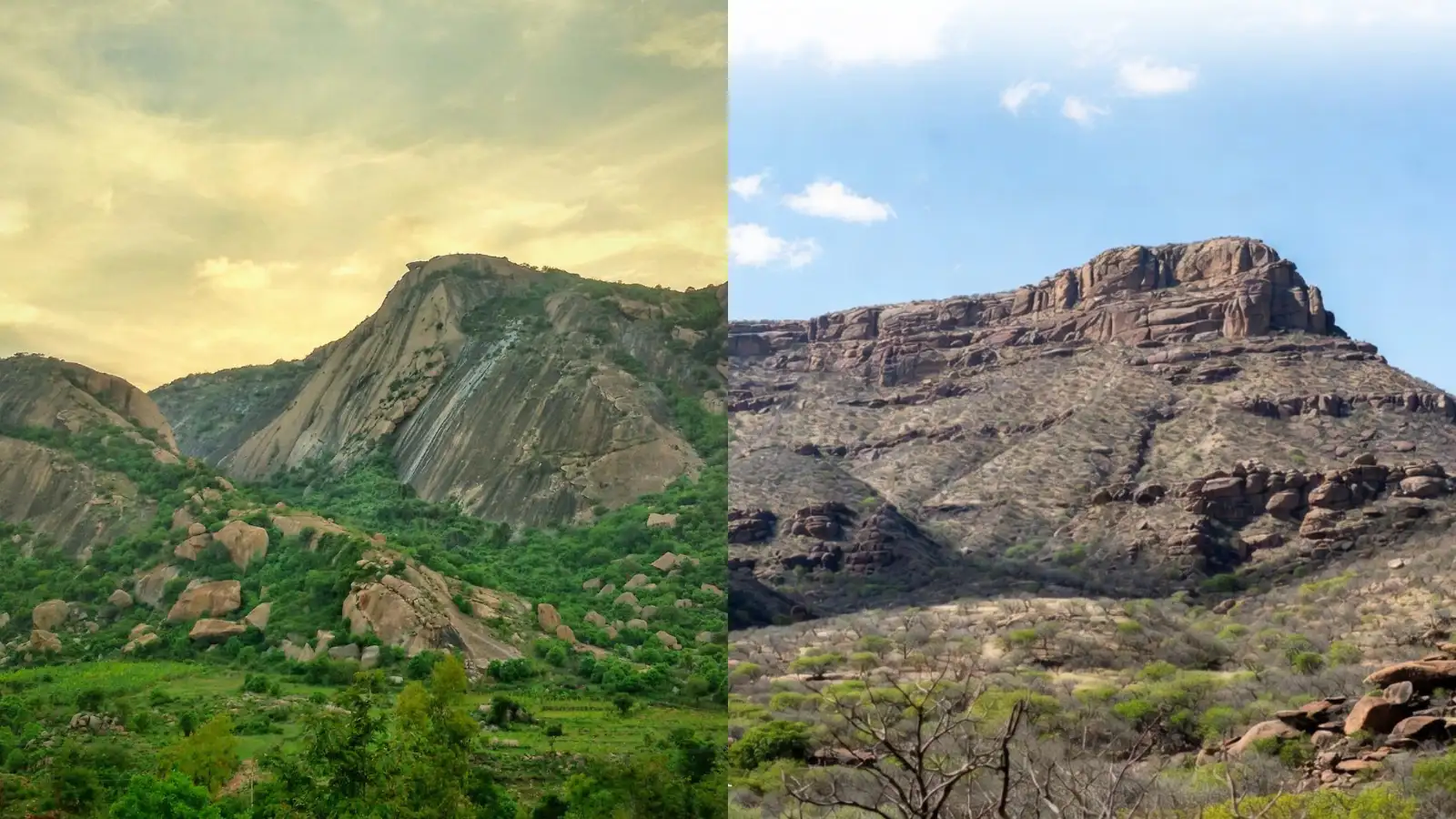
The hills also support biodiversity , with 22 wildlife sanctuaries and three tiger reserves: Ranthambore, Sariska, and Mukundra. Tigers, leopards, sloth bears, blackbucks, and desert foxes rely on these forests. Mining or real estate projects could fragment wildlife corridors and harm the fragile ecosystem.
Challenges and Threats
Urbanisation, illegal mining, and industrial activity have already degraded the Aravallis. Desertification and loss of forest cover are pressing issues. The government’s Aravalli Green Wall project highlights these threats while aiming for restoration.
The Aravallis are also rich in critical minerals like lithium, nickel, and rare earth elements, essential for technology and energy transition. While mining is restricted until a sustainable plan is finalised, real estate and industrial pressures remain high.
The Aravallis provide essential services: regulating climate, filtering air, recharging groundwater, and sustaining biodiversity. Protecting them is not just about forests or wildlife—it’s about water security, clean air, and climate resilience for millions in northern India.
Stretching over 700 km across Gujarat, Rajasthan, Haryana, and Delhi, the Aravallis are over a billion years old. They act as a natural shield against sand from the Thar Desert, protecting the Delhi-NCR region from worsening air pollution. The hills also help maintain rainfall patterns essential for agriculture and drinking water.
Water Recharge and Ecosystem Services
Aravalli rocks are porous and fractured, allowing rainwater to seep into aquifers. This supports rivers, lakes, and seasonal water systems in Rajasthan and Gujarat. Ecologist Vijay Dhasmana says, “This invisible water reserve is crucial for towns like Gurugram, Faridabad, and Sohna. Mining or deforestation threatens this supply directly.”
The hills also support biodiversity , with 22 wildlife sanctuaries and three tiger reserves: Ranthambore, Sariska, and Mukundra. Tigers, leopards, sloth bears, blackbucks, and desert foxes rely on these forests. Mining or real estate projects could fragment wildlife corridors and harm the fragile ecosystem.
You may also like
- Days before SIR hearing process, BLO goes missing in Bengal's East Burdwan
- India to assume chair of Kimberly Process from Jan 1 for third time
- K'taka bus tragedy: CM Siddaramaiah announces Rs 5 lakh each solatium for families of the deceased
- India acted in right humanitarian spirit on Sheikh Hasina: Shashi Tharoor amid strain in ties with Bangladesh
- Haridwar: FIR filed against former BJP MLA, actress over alleged misleading clips targeting BJP leader Dushyant Gautam
Challenges and Threats
Urbanisation, illegal mining, and industrial activity have already degraded the Aravallis. Desertification and loss of forest cover are pressing issues. The government’s Aravalli Green Wall project highlights these threats while aiming for restoration.
The Aravallis are also rich in critical minerals like lithium, nickel, and rare earth elements, essential for technology and energy transition. While mining is restricted until a sustainable plan is finalised, real estate and industrial pressures remain high.
Why It Matters
The Aravallis provide essential services: regulating climate, filtering air, recharging groundwater, and sustaining biodiversity. Protecting them is not just about forests or wildlife—it’s about water security, clean air, and climate resilience for millions in northern India.






More from our partners


Loving Newspoint? Download the app now
