
10 Animals With the Shortest Lifespan on Earth: Creatures That Live Fast and Vanish Quickly

When we think about life, we often imagine years of growth, survival, and experience. But in the wild, not every creature is built for longevity. Some species are among the 10 animals with the shortest lifespan , living only a few days - or even just a few hours. While it may seem shocking, these brief lives are not a flaw of nature. Instead, they are part of an extraordinary survival system where speed, reproduction, and purpose matter more than time. From insects that exist for only one day to microscopic creatures that complete life in mere hours, these animals prove that survival is not always about living longer - it’s about living efficiently.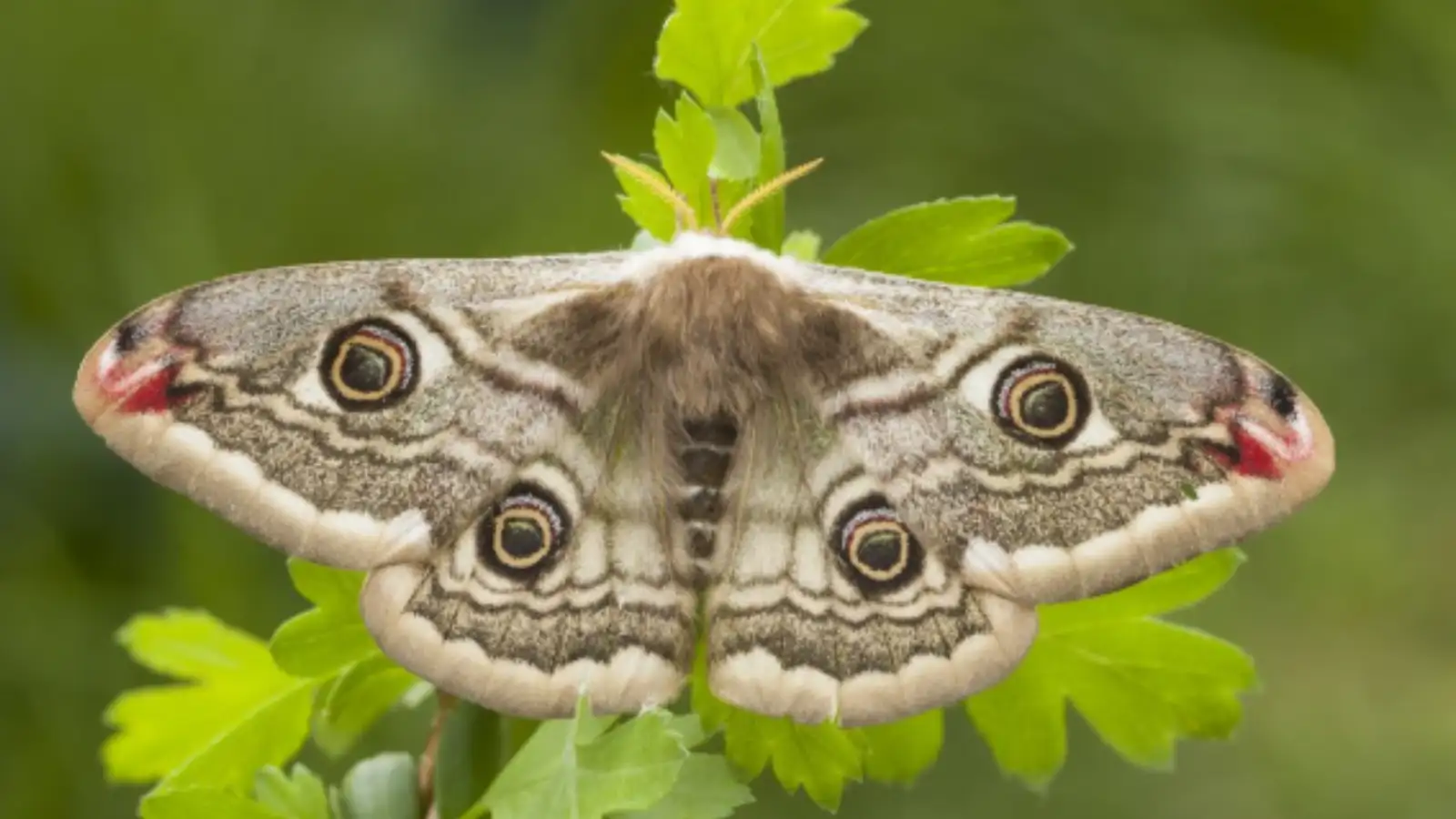
1. Mayfly – The Insect That Lives for Just One Day
The mayfly is often considered the ultimate example of a short-lived animal. As an adult, some species survive for less than 24 hours. Their final stage is incredibly brief, focused entirely on reproduction. Interestingly, mayflies spend most of their lives underwater as larvae for months before emerging for their short adult phase. Once they mate and lay eggs, their journey ends almost immediately. Their existence is a striking reminder that preparation can last far longer than the final act.
2. Luna Moth – A Beautiful Creature With Only a Week to Live
Known for its glowing green wings and delicate appearance, the luna moth is one of nature’s most stunning insects. Yet its adult life lasts only around 5 to 7 days. Without a functioning mouth, it cannot eat and survives solely on energy stored during its caterpillar stage. Its brief mission is simple: find a mate and reproduce before time runs out.
3. Drone Ant – A Life Dedicated to One Purpose
Male ants, often called drone ants, live for only a few days. Unlike worker ants, they do not collect food or defend the colony. Their primary role is reproduction. Once they mate with a queen, their life typically ends. Though short, their role is highly specialised and essential for colony survival.
4. Gastrotrich – Tiny Freshwater Creatures With Rapid Life Cycles
Gastrotrichs are microscopic aquatic animals that often survive for just 2 to 3 days. Despite their incredibly small size, they live intensely fast lives - feeding, maturing, and reproducing in an astonishingly short period. Their speed helps maintain ecological balance in freshwater environments.
5. Midge – Short Life, Big Ecological Impact
Midges are tiny flying insects often seen near lakes and ponds. Adult midges typically live for only 3 to 5 days, but their presence is crucial. They provide food for birds, fish, and amphibians, making them a key part of the food chain despite their short existence.
6. Mosquito – Brief Life, Rapid Reproduction
Though often disliked, mosquitoes have surprisingly short lifespans. Male mosquitoes usually survive for about a week, while females can live slightly longer. Their quick reproductive cycle ensures species survival, even when individual lives are brief.
7. Fruit Fly – The Fast-Living Laboratory Insect
Fruit flies generally live for around 40 to 50 days, which is still remarkably short compared to many animals. Their rapid breeding and life cycle make them one of the most studied organisms in science and genetics.
8. Worker Bee – Tireless Lives That End Quickly
Worker bees spend their lives serving the hive, gathering nectar and protecting the colony. During active seasons, many live only about 5 to 6 weeks. Their intense workload contributes directly to pollination and ecosystem health.
9. Housefly – A Common Insect With a Short Timeline
Houseflies are everywhere, but their lives are surprisingly brief - typically lasting 15 to 30 days. In that short time, they reproduce rapidly, ensuring future generations survive.
10. Dragonfly (Some Species) – Ancient Flyers With Brief Adult Lives
While dragonflies spend months or even years as underwater nymphs, certain species live only a few weeks as adults. Their final phase is focused on hunting and reproduction before life quickly ends.
Why Do Some Animals Have Such Short Lifespans?
Nature often prioritises efficiency over duration. Animals with short lifespans usually reproduce quickly and in large numbers, allowing their species to thrive despite individual brevity. This strategy helps them adapt to predators, environmental changes, and harsh conditions. Rather than investing in long life, they invest in rapid survival.
Living Briefly, But With Purpose
The world’s shortest-living animals may not experience long lives, but their existence is far from meaningless. Each species plays a critical role in the ecosystem, proving that life’s value is not always measured in years. Whether lasting a single day or a few weeks, these creatures demonstrate one of nature’s greatest lessons - sometimes, survival is about making every moment count.
1. Mayfly – The Insect That Lives for Just One Day
The mayfly is often considered the ultimate example of a short-lived animal. As an adult, some species survive for less than 24 hours. Their final stage is incredibly brief, focused entirely on reproduction. Interestingly, mayflies spend most of their lives underwater as larvae for months before emerging for their short adult phase. Once they mate and lay eggs, their journey ends almost immediately. Their existence is a striking reminder that preparation can last far longer than the final act.
2. Luna Moth – A Beautiful Creature With Only a Week to Live
Known for its glowing green wings and delicate appearance, the luna moth is one of nature’s most stunning insects. Yet its adult life lasts only around 5 to 7 days. Without a functioning mouth, it cannot eat and survives solely on energy stored during its caterpillar stage. Its brief mission is simple: find a mate and reproduce before time runs out.
3. Drone Ant – A Life Dedicated to One Purpose
Male ants, often called drone ants, live for only a few days. Unlike worker ants, they do not collect food or defend the colony. Their primary role is reproduction. Once they mate with a queen, their life typically ends. Though short, their role is highly specialised and essential for colony survival.
4. Gastrotrich – Tiny Freshwater Creatures With Rapid Life Cycles
Gastrotrichs are microscopic aquatic animals that often survive for just 2 to 3 days. Despite their incredibly small size, they live intensely fast lives - feeding, maturing, and reproducing in an astonishingly short period. Their speed helps maintain ecological balance in freshwater environments.
You may also like
- Review of Battle of Narnaul by Kulpreet Yadav: A tense and immersive military drama
- Diljit Dosanjh Embraces Life Beyond Fear at Calgary Concert
- Salman Khan Shares Heartwarming Moment with His Dog and Celebrates Culinary Success
- Rashi Singh's Journey: From Hair Loss to Empowerment and Modelling Success
- 'I never imagined so many people would come...': Young, lonely cancer patient 'orders company' via food app, riders show up
5. Midge – Short Life, Big Ecological Impact
Midges are tiny flying insects often seen near lakes and ponds. Adult midges typically live for only 3 to 5 days, but their presence is crucial. They provide food for birds, fish, and amphibians, making them a key part of the food chain despite their short existence.
6. Mosquito – Brief Life, Rapid Reproduction
Though often disliked, mosquitoes have surprisingly short lifespans. Male mosquitoes usually survive for about a week, while females can live slightly longer. Their quick reproductive cycle ensures species survival, even when individual lives are brief.
7. Fruit Fly – The Fast-Living Laboratory Insect
Fruit flies generally live for around 40 to 50 days, which is still remarkably short compared to many animals. Their rapid breeding and life cycle make them one of the most studied organisms in science and genetics.
8. Worker Bee – Tireless Lives That End Quickly
Worker bees spend their lives serving the hive, gathering nectar and protecting the colony. During active seasons, many live only about 5 to 6 weeks. Their intense workload contributes directly to pollination and ecosystem health.
9. Housefly – A Common Insect With a Short Timeline
Houseflies are everywhere, but their lives are surprisingly brief - typically lasting 15 to 30 days. In that short time, they reproduce rapidly, ensuring future generations survive.
10. Dragonfly (Some Species) – Ancient Flyers With Brief Adult Lives
While dragonflies spend months or even years as underwater nymphs, certain species live only a few weeks as adults. Their final phase is focused on hunting and reproduction before life quickly ends.
Why Do Some Animals Have Such Short Lifespans?
Nature often prioritises efficiency over duration. Animals with short lifespans usually reproduce quickly and in large numbers, allowing their species to thrive despite individual brevity. This strategy helps them adapt to predators, environmental changes, and harsh conditions. Rather than investing in long life, they invest in rapid survival.
Living Briefly, But With Purpose
The world’s shortest-living animals may not experience long lives, but their existence is far from meaningless. Each species plays a critical role in the ecosystem, proving that life’s value is not always measured in years. Whether lasting a single day or a few weeks, these creatures demonstrate one of nature’s greatest lessons - sometimes, survival is about making every moment count.






More from our partners


Loving Newspoint? Download the app now
