10 Cooking Mistakes That Can Spoil Even a Good Recipe

Sometimes a recipe is not the problem. The way it is being cooked is. A curry can taste flat because an ingredient was added at the wrong stage, vegetables can turn soggy because the pan was overcrowded, and meat can become dry because it was cooked far beyond the point of doneness. Some mistakes affect flavour and texture, while others can affect food safety. Cooking is a mixture of chemistry, timing and technique, so seemingly small decisions can produce surprisingly large differences.
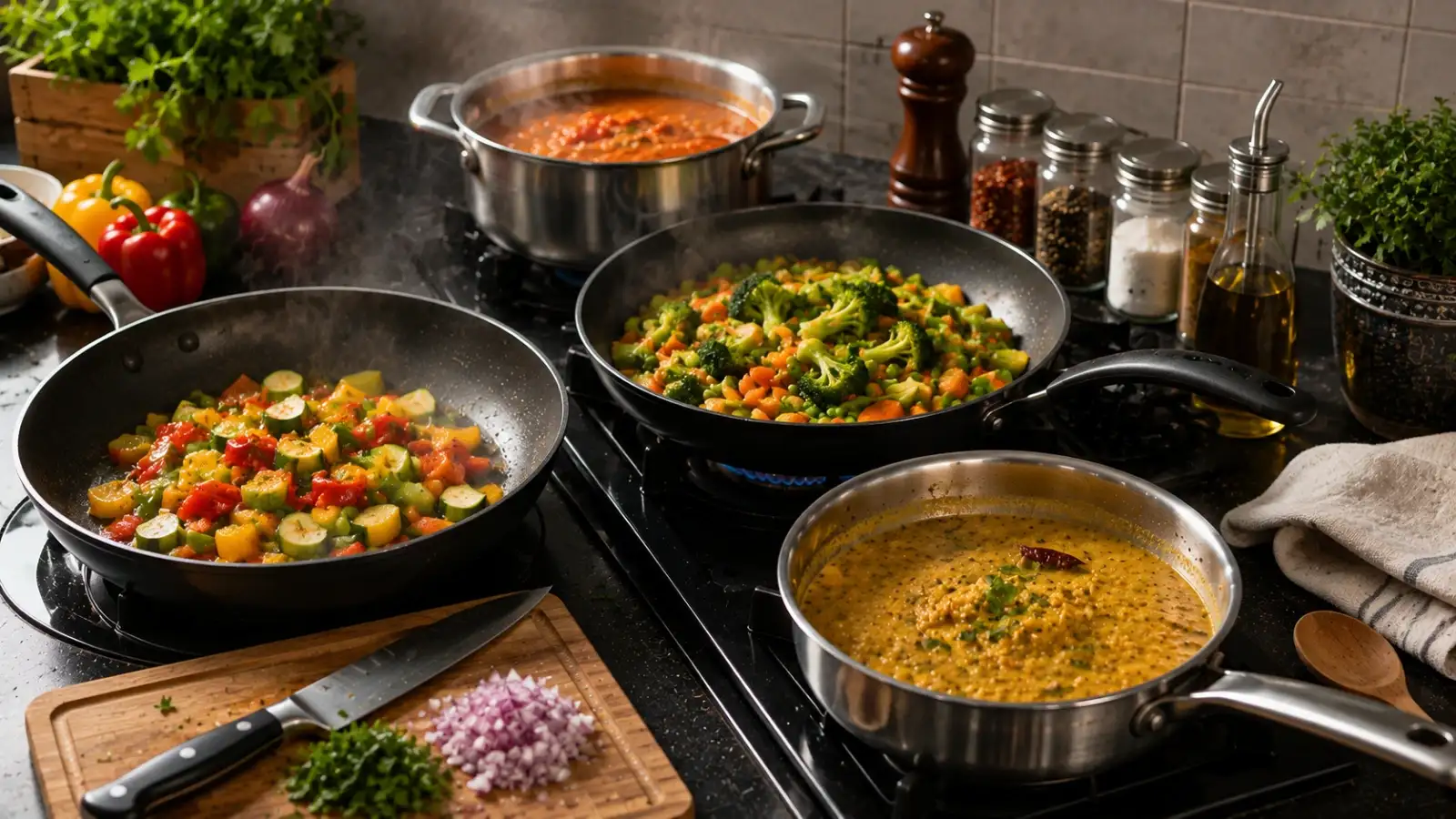
Hero Image


Overcrowding the Pan

One of the easiest ways to ruin the texture of food is to put too much into a pan at once. Instead of frying or browning, ingredients release moisture and begin to steam.

This is especially noticeable with mushrooms, vegetables and pieces of meat. Giving ingredients enough space allows moisture to escape and encourages browning.


Cooking Everything at the Same Temperature

Different ingredients respond differently to heat. Delicate vegetables may need less time, while dense ingredients need longer.

Turning the heat up because dinner is taking too long can burn the outside while leaving the inside undercooked. A thermometer is particularly useful for meat and poultry because appearance alone is not a reliable indicator of safety.


Adding Salt Only at the End

Salt does more than make food taste salty. Adding it at different stages can affect how flavours develop and how ingredients behave.

For many dishes, seasoning gradually while cooking creates a more balanced result than trying to correct everything at the end.

Ignoring Carry-Over Cooking

Food continues cooking after being removed from heat. This matters with eggs, meat and certain vegetables.

Removing something slightly before it reaches the final desired texture can prevent it from becoming overcooked during the resting period.


Mishandling Leftovers

Food safety is another area where cooking mistakes matter. Cooked food should be refrigerated promptly rather than left sitting at room temperature for hours. USDA guidance recommends refrigerating perishable leftovers within two hours and reheating leftovers to 165°F, or about 74°C.

Great cooking is not only about following recipes. It is about understanding heat, moisture, timing and food safety. Once you recognise what is happening inside the pan, you can correct problems before they become disasters. The best cooks are often not the ones who never make mistakes, but the ones who notice small mistakes early enough to fix them.