
10 Crazy Facts You Probably Didn’t Know About Space That Will Completely Blow Your Mind

Space has fascinated humans for centuries with its endless darkness, mysterious planets and unimaginable distances. Even with modern technology and advanced space missions, scientists still continue to discover new cosmic mysteries that challenge our understanding of the universe. From bizarre planetary conditions to strange sounds and invisible matter, space is far more unusual than most people realise.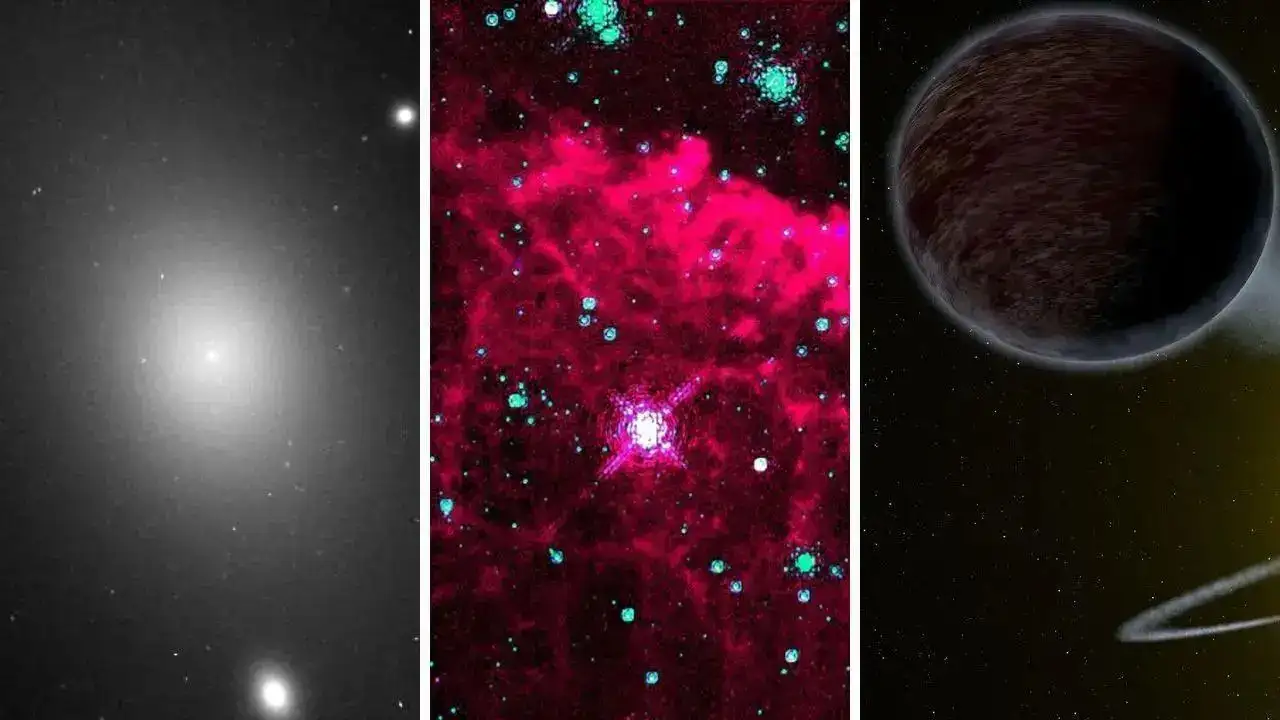
The universe contains billions of galaxies, stars and celestial objects, many of which behave in ways that seem almost impossible. Some facts about space sound like science fiction, yet they are scientifically accurate observations based on astronomy research and space exploration.
Here are 10 crazy facts about space that may completely change the way you look at the cosmos.
This means explosions, collisions and spacecraft movements happen in complete silence. Although movies often portray loud space battles, real astronauts experience a silent environment outside their spacecraft.
However, Venus completes its orbit around the Sun in approximately 225 Earth days. This means a single day on Venus lasts longer than an entire year there, making it one of the strangest planets in our cosmic neighbourhood.
Although it is not literally a giant gemstone floating in space, researchers suggest its composition may include diamond-like material due to intense heat and pressure conditions.
A single teaspoon of neutron star material would weigh billions of tonnes on Earth. Their density is so extreme that atoms are crushed tightly together under immense gravitational force.
This remains one of the most amazing astronomy facts discovered by scientists.
Powerful winds within the storm can exceed hundreds of kilometres per hour. Although scientists continue studying it, the exact reasons behind its long-lasting existence remain partially mysterious.
Scientists estimate that most of the cosmos consists of dark matter and dark energy, which cannot be directly observed with current instruments. These invisible components are believed to influence the structure and expansion of the universe significantly.
This is one of the greatest universe mysteries modern science continues trying to understand.
The Milky Way galaxy alone may contain hundreds of billions of stars, while the observable universe includes billions of galaxies. These enormous numbers highlight how vast and difficult to comprehend space truly is.
As a result, astronauts can temporarily grow by several centimetres while in space. Once they return to Earth, gravity gradually compresses the spine back to its normal state.
This unusual effect remains one of the lesser-known space exploration facts .
This water reservoir is believed to contain far more water than all Earth’s oceans combined. Although it exists in vapour form under extreme cosmic conditions, the discovery demonstrated that water exists widely throughout the universe.
If someone were close to a black hole, time would pass differently compared to someone farther away. This scientific concept, known as gravitational time dilation, has been supported through various experiments and observations.
It remains one of the most mind-bending unknown facts about space ever studied.
Advanced telescopes, robotic missions and scientific research continue uncovering extraordinary cosmic phenomena each year. From strange planets to invisible matter and giant storms, the universe constantly challenges assumptions about reality itself.
The fascination with space goes beyond science alone. It inspires imagination, creativity and deeper questions about existence, life and humanity’s place in the cosmos.
As technology improves, future generations may uncover even more astonishing truths hidden within distant galaxies and unexplored regions of space. Until then, the universe remains one of the most mysterious and awe-inspiring subjects humans can explore and study.
The universe contains billions of galaxies, stars and celestial objects, many of which behave in ways that seem almost impossible. Some facts about space sound like science fiction, yet they are scientifically accurate observations based on astronomy research and space exploration.
Here are 10 crazy facts about space that may completely change the way you look at the cosmos.
1. Space Is Completely Silent
One of the most surprising interesting space facts is that space has no sound. Sound waves require particles such as air or water to travel, but outer space is mostly a vacuum with extremely low particle density.This means explosions, collisions and spacecraft movements happen in complete silence. Although movies often portray loud space battles, real astronauts experience a silent environment outside their spacecraft.
2. A Day on Venus Is Longer Than Its Year
Venus rotates extremely slowly compared to most planets in the Solar System. It takes about 243 Earth days for Venus to complete one full rotation on its axis.However, Venus completes its orbit around the Sun in approximately 225 Earth days. This means a single day on Venus lasts longer than an entire year there, making it one of the strangest planets in our cosmic neighbourhood.
3. There May Be a Planet Made Mostly of Diamonds
Scientists believe certain exoplanets may contain enormous quantities of carbon under extreme pressure, potentially forming diamond-rich interiors. One well-known candidate is 55 Cancri e, located far beyond our Solar System.Although it is not literally a giant gemstone floating in space, researchers suggest its composition may include diamond-like material due to intense heat and pressure conditions.
4. Neutron Stars Are Incredibly Dense
Neutron stars are among the densest known objects in the universe. These stars form after massive stars collapse during supernova explosions.A single teaspoon of neutron star material would weigh billions of tonnes on Earth. Their density is so extreme that atoms are crushed tightly together under immense gravitational force.
This remains one of the most amazing astronomy facts discovered by scientists.
5. Jupiter Has a Giant Storm Larger Than Earth
Jupiter’s Great Red Spot is a massive storm system that has existed for centuries. This giant storm is so large that Earth could fit inside it multiple times.Powerful winds within the storm can exceed hundreds of kilometres per hour. Although scientists continue studying it, the exact reasons behind its long-lasting existence remain partially mysterious.
6. Most of the Universe Is Invisible
Everything humans can currently see, including stars, planets and galaxies, makes up only a small percentage of the universe.Scientists estimate that most of the cosmos consists of dark matter and dark energy, which cannot be directly observed with current instruments. These invisible components are believed to influence the structure and expansion of the universe significantly.
This is one of the greatest universe mysteries modern science continues trying to understand.
7. There Are More Stars Than Grains of Sand on Earth
Astronomers estimate that the observable universe contains more stars than all the grains of sand found on Earth’s beaches and deserts combined.The Milky Way galaxy alone may contain hundreds of billions of stars, while the observable universe includes billions of galaxies. These enormous numbers highlight how vast and difficult to comprehend space truly is.
8. Astronauts Grow Taller in Space
Astronauts living aboard space stations often become slightly taller during missions. In microgravity conditions, the spine experiences less compression compared to Earth’s gravity.As a result, astronauts can temporarily grow by several centimetres while in space. Once they return to Earth, gravity gradually compresses the spine back to its normal state.
This unusual effect remains one of the lesser-known space exploration facts .
9. There Is a Massive Water Cloud in Space
Scientists discovered an enormous cloud of water vapour surrounding a distant quasar billions of light-years away from Earth.This water reservoir is believed to contain far more water than all Earth’s oceans combined. Although it exists in vapour form under extreme cosmic conditions, the discovery demonstrated that water exists widely throughout the universe.
10. Black Holes Can Slow Down Time
Black holes possess gravitational forces so strong that they affect space and time itself. According to Einstein’s theory of relativity, time moves slower near extremely powerful gravitational fields.If someone were close to a black hole, time would pass differently compared to someone farther away. This scientific concept, known as gravitational time dilation, has been supported through various experiments and observations.
It remains one of the most mind-bending unknown facts about space ever studied.
Why Space Continues to Fascinate Humanity
Space represents one of humanity’s greatest frontiers of exploration and curiosity. Every new discovery reveals how little humans still know about the universe and how many mysteries remain unsolved.Advanced telescopes, robotic missions and scientific research continue uncovering extraordinary cosmic phenomena each year. From strange planets to invisible matter and giant storms, the universe constantly challenges assumptions about reality itself.
The fascination with space goes beyond science alone. It inspires imagination, creativity and deeper questions about existence, life and humanity’s place in the cosmos.
The Universe Is Far Stranger Than We Imagine
These crazy facts about space offer only a small glimpse into the incredible complexity of the universe. Scientists continue discovering new planets, mysterious signals and cosmic events that expand human understanding further every year.As technology improves, future generations may uncover even more astonishing truths hidden within distant galaxies and unexplored regions of space. Until then, the universe remains one of the most mysterious and awe-inspiring subjects humans can explore and study.
Next Story