
10 Ways to Cook Peppers That Bring Out Completely Different Flavours

Peppers are one of those vegetables that can taste completely different depending on how you cook them. A raw pepper is crisp, fresh and slightly sweet, while roasting can make it soft and deeply caramelised. Frying brings out a smoky quality, and slow cooking allows peppers to become almost silky.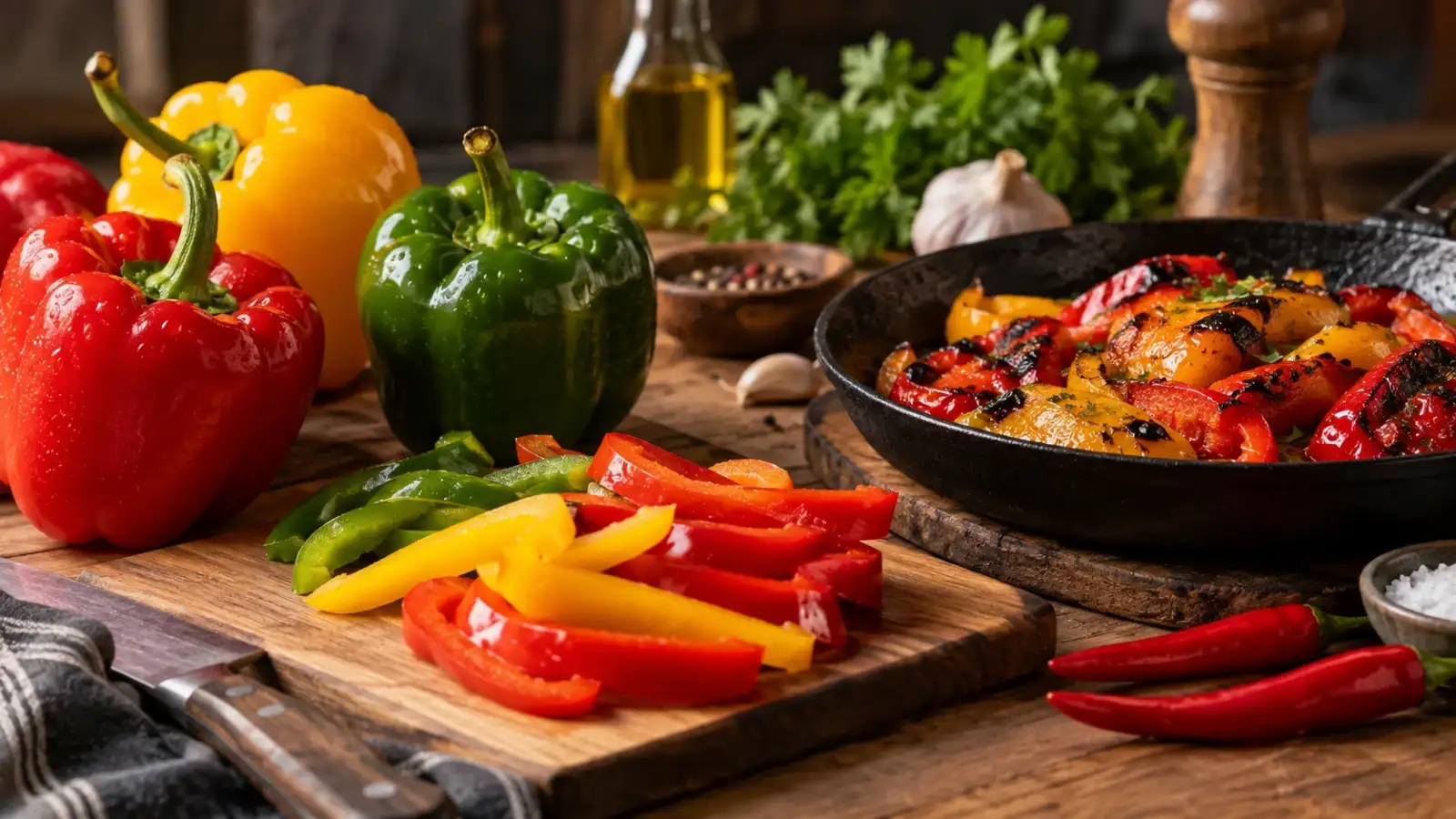
This versatility makes peppers useful in everything from quick weekday meals to slow-cooked dishes and simple snacks. You also do not need complicated ingredients to change their flavour. Sometimes, the cooking method itself does most of the work.
If you usually chop peppers into a stir-fry or add them to a salad, try one of these ten ways to cook peppers and discover how much their flavour can change.
As they cook, the edges begin to darken and the flesh becomes soft. That slight charring adds a smoky flavour while the natural sugars become more noticeable.
Roasted peppers work well with pasta, sandwiches, grains and grilled foods. You can also blend them with garlic and olive oil to make a simple sauce or dip.
The outside becomes charred while the inside softens and develops a sweet, smoky taste. Once cooked, the skin can be removed if you prefer a smoother texture.
Serve grilled peppers with bread, cheese or grilled vegetables. They are also excellent in wraps and sandwiches.
Add garlic, black pepper or herbs towards the end. The peppers should develop some colour while still retaining a little bite.
This method is particularly useful for busy evenings because the vegetables cook in only a few minutes. Serve them alongside rice, eggs or noodles.
Cook sliced peppers with onions, olive oil and garlic over low heat. You can continue cooking until the vegetables are deeply softened and lightly caramelised.
This preparation can become the base of a sandwich, pasta dish or savoury tart. It is also a useful way to transform a large quantity of peppers before they become too soft in the fridge.
Bake until the peppers are tender and the filling is hot. The pepper releases its juices as it cooks, adding flavour to whatever is inside.
The possibilities are almost endless, so you can easily adapt stuffed peppers to whatever ingredients you already have at home.
Turn the pepper carefully until the skin is blackened and blistered all over. Place it in a covered bowl for a short time, then remove the skin and seeds.
The soft flesh underneath has a rich, smoky sweetness. Add it to dips, sauces or salads, or simply serve it with olive oil and seasoning.
Peppers can be placed in a vinegar-based pickling liquid with salt, sugar and spices. After they have absorbed the liquid, they become sharp and refreshing.
Pickled peppers are excellent in sandwiches, burgers, salads and grain bowls. Mild varieties work particularly well if you want tang without too much heat.
As the peppers soften, they absorb the tomato sauce and become more savoury. Herbs such as oregano or basil can add another layer of flavour.
This method works particularly well with pasta, rice or crusty bread. It can also become the base for a simple vegetarian meal.
The heat of the oven intensifies the spices while the peppers become soft and sweet. A squeeze of lemon juice after cooking can add brightness.
This approach works especially well when you want a vegetable dish with bold flavour but very little preparation.
The exact combination can take the sauce in different directions. Roasted red peppers create a naturally sweet base, while chilli peppers can introduce heat.
Use the sauce with pasta, roasted vegetables, bread or grilled foods. It is also a convenient way to use up peppers that need cooking.
The variety of pepper matters too. Sweet bell peppers are ideal for roasting and stuffing, while smaller hot peppers can be used to add heat to sauces, pickles and stir-fries.
Colour can also influence your choice. Red peppers tend to be sweeter, while green peppers often have a more grassy and slightly bitter flavour. Yellow and orange peppers sit somewhere between the two.
If you normally eat peppers raw or throw them into a quick stir-fry, start with roasting or grilling. For something more substantial, try stuffing them or slow-cooking them with tomatoes. If you want a sharper flavour, pickling is an easy option.
A simple change in cooking method can make the same vegetable feel like an entirely new ingredient, which is exactly what makes peppers so useful in everyday cooking.
This versatility makes peppers useful in everything from quick weekday meals to slow-cooked dishes and simple snacks. You also do not need complicated ingredients to change their flavour. Sometimes, the cooking method itself does most of the work.
If you usually chop peppers into a stir-fry or add them to a salad, try one of these ten ways to cook peppers and discover how much their flavour can change.
1. Roast Peppers Until Their Edges Char
Roasting is one of the easiest ways to make peppers taste sweeter and richer. Cut the peppers into large pieces, remove the seeds and coat them lightly with olive oil before placing them in a hot oven.As they cook, the edges begin to darken and the flesh becomes soft. That slight charring adds a smoky flavour while the natural sugars become more noticeable.
Roasted peppers work well with pasta, sandwiches, grains and grilled foods. You can also blend them with garlic and olive oil to make a simple sauce or dip.
2. Grill Peppers for a Smoky Flavour
A barbecue or grill can give peppers a flavour that is difficult to reproduce in a pan. Place whole peppers or large pieces directly over the heat and turn them as the skin begins to blister.The outside becomes charred while the inside softens and develops a sweet, smoky taste. Once cooked, the skin can be removed if you prefer a smoother texture.
Serve grilled peppers with bread, cheese or grilled vegetables. They are also excellent in wraps and sandwiches.
3. Fry Peppers Quickly for a Crisp Texture
A quick frying method keeps peppers relatively crisp while bringing out their sweetness. Heat a little oil in a frying pan and cook sliced peppers over medium-high heat.Add garlic, black pepper or herbs towards the end. The peppers should develop some colour while still retaining a little bite.
This method is particularly useful for busy evenings because the vegetables cook in only a few minutes. Serve them alongside rice, eggs or noodles.
4. Slow-Cook Peppers Until Soft and Sweet
Slow cooking creates a completely different result. Instead of remaining crisp, peppers gradually become soft, silky and intensely flavoured.Cook sliced peppers with onions, olive oil and garlic over low heat. You can continue cooking until the vegetables are deeply softened and lightly caramelised.
This preparation can become the base of a sandwich, pasta dish or savoury tart. It is also a useful way to transform a large quantity of peppers before they become too soft in the fridge.
5. Stuff Peppers With a Hearty Filling
Stuffing peppers turns the vegetable into the centre of the meal. Cut the tops off whole peppers, remove the seeds and fill them with ingredients such as rice, beans, lentils, minced meat, herbs or cheese.Bake until the peppers are tender and the filling is hot. The pepper releases its juices as it cooks, adding flavour to whatever is inside.
The possibilities are almost endless, so you can easily adapt stuffed peppers to whatever ingredients you already have at home.
6. Char Peppers Over an Open Flame
For an especially smoky flavour, peppers can be charred directly over an open gas flame. This method is particularly effective with whole peppers.Turn the pepper carefully until the skin is blackened and blistered all over. Place it in a covered bowl for a short time, then remove the skin and seeds.
The soft flesh underneath has a rich, smoky sweetness. Add it to dips, sauces or salads, or simply serve it with olive oil and seasoning.
7. Pickle Peppers for a Sharp, Tangy Taste
Pickling changes the flavour of peppers in a completely different direction. Instead of focusing on sweetness and roasting, the process introduces acidity and a crisp texture.Peppers can be placed in a vinegar-based pickling liquid with salt, sugar and spices. After they have absorbed the liquid, they become sharp and refreshing.
Pickled peppers are excellent in sandwiches, burgers, salads and grain bowls. Mild varieties work particularly well if you want tang without too much heat.
8. Cook Peppers in a Tomato Sauce
Slowly simmering peppers in tomato sauce creates a rich and comforting dish. Start with onions and garlic, then add sliced peppers and tomatoes before allowing everything to cook gently.As the peppers soften, they absorb the tomato sauce and become more savoury. Herbs such as oregano or basil can add another layer of flavour.
This method works particularly well with pasta, rice or crusty bread. It can also become the base for a simple vegetarian meal.
9. Roast Peppers With Spices
Spices can completely change the personality of roasted peppers. Try coating them with cumin, smoked paprika, coriander or chilli before roasting.The heat of the oven intensifies the spices while the peppers become soft and sweet. A squeeze of lemon juice after cooking can add brightness.
You may also like
- Angelina Jolie's unusual parenting choice: In 2016, she revealed her six children were learning Khmer, Vietnamese, German, Arabic and sign language
- Modern Parenting Tips: 5 Ways to Raise Confident Kids Without Making Marks and Rank Everything
- Living Room Makeover: 5 Vastu-Inspired Decor Ideas for a Fresh, Calm and Welcoming Home
- Ganesh Chaturthi Rangoli Ideas: 7 Beautiful Designs to Give Your Home a Festive Makeover
- Jennifer Garner's garden isn't just for show: The vegetables, herbs, and hands-on hobby that have become part of the actor's life
This approach works especially well when you want a vegetable dish with bold flavour but very little preparation.
10. Blend Cooked Peppers Into a Sauce
Cooked peppers can be turned into a smooth sauce or dip with a blender. Roast, grill or fry them first, then blend them with ingredients such as garlic, olive oil, lemon juice, yoghurt or nuts.The exact combination can take the sauce in different directions. Roasted red peppers create a naturally sweet base, while chilli peppers can introduce heat.
Use the sauce with pasta, roasted vegetables, bread or grilled foods. It is also a convenient way to use up peppers that need cooking.
Why Cooking Method Matters With Peppers
Peppers contain natural sugars and a lot of water, which means heat can transform them dramatically. High temperatures encourage browning and charring, bringing out sweetness and smoky notes. Gentle cooking gradually softens the flesh and allows it to absorb the flavours around it.The variety of pepper matters too. Sweet bell peppers are ideal for roasting and stuffing, while smaller hot peppers can be used to add heat to sauces, pickles and stir-fries.
Colour can also influence your choice. Red peppers tend to be sweeter, while green peppers often have a more grassy and slightly bitter flavour. Yellow and orange peppers sit somewhere between the two.
Give Your Peppers a New Role
Peppers do not have to be a background ingredient. With the right cooking technique, they can become sweet, smoky, creamy, tangy, spicy or deeply savoury.If you normally eat peppers raw or throw them into a quick stir-fry, start with roasting or grilling. For something more substantial, try stuffing them or slow-cooking them with tomatoes. If you want a sharper flavour, pickling is an easy option.
A simple change in cooking method can make the same vegetable feel like an entirely new ingredient, which is exactly what makes peppers so useful in everyday cooking.






Loving Newspoint? Download the app now
