
10 Easy Ways to Make Your Clothes Last Longer

Buying good-quality clothes is only one part of building a wardrobe that lasts. How you wash, dry, store and maintain your outfits also plays an important role in keeping them looking new. Everyday habits such as using excessive detergent, washing clothes too frequently or storing them incorrectly can gradually damage fabrics.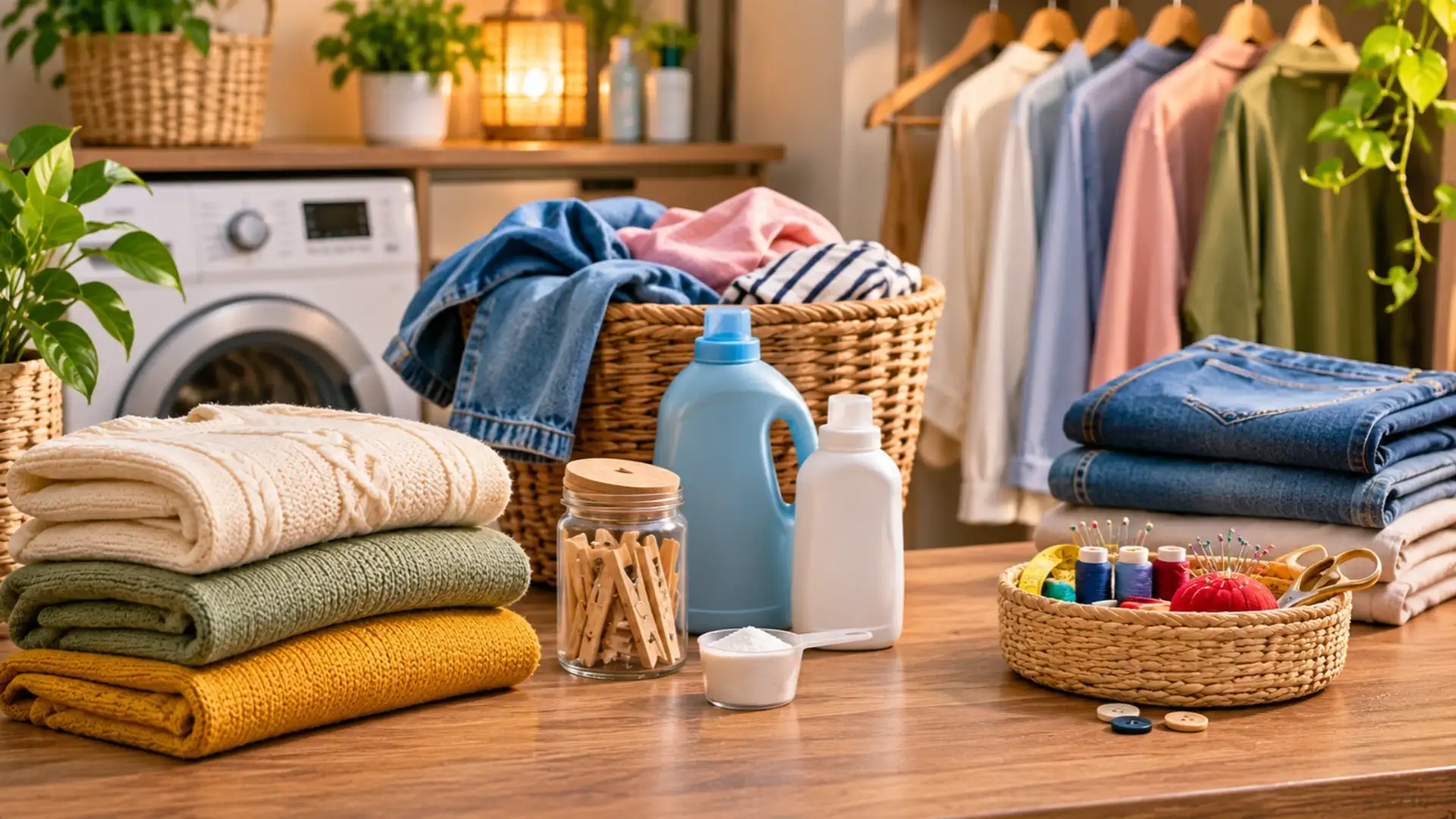
The good news is that a few simple clothing-care habits can help you protect your favourite outfits, reduce unnecessary shopping and get more value out of every purchase. Here are 10 easy ways to make your clothes last longer.
Check the care label before washing and use cold or lukewarm water whenever suitable. Cold-water washing is generally gentler on fabrics and can also help reduce energy consumption.
Items such as jeans, jackets, sweaters and certain outerwear can often be worn multiple times before washing, provided they are not visibly dirty or sweaty. Air them out between uses and wash them whenever they genuinely need cleaning.
Separate clothes into light, dark and coloured loads. Wash delicate fabrics separately and turn printed or embellished garments inside out to protect their designs.
Follow the recommended quantity mentioned on the detergent packaging and adjust it according to the size and dirtiness of your laundry load. Choose a gentle detergent for delicate fabrics and avoid using harsh cleaning products unnecessarily.
Whenever possible, air-dry clothes in a well-ventilated area. Avoid leaving brightly coloured garments under direct sunlight for extended periods, as this can cause fading. Sweaters and other heavy knitwear are better dried flat to prevent stretching.
Gently blot the affected area with a clean cloth instead of rubbing it aggressively. Use a suitable stain remover after checking its compatibility with the fabric. Avoid applying heat until the stain has been removed, as heat can set certain stains.
Use suitable hangers for shirts, dresses and jackets. Keep clothes in a clean, dry wardrobe and avoid overcrowding it. Make sure garments are completely dry before storing them to prevent unpleasant odours and moisture-related damage.
Keep a basic sewing kit at home with needles, thread, buttons and safety pins. Learn simple fixes such as sewing on a button, repairing a loose hem or stitching a small tear. For more complicated damage, consider visiting a tailor instead of replacing the garment.
This is particularly useful for jeans, printed T-shirts, dark-coloured clothing and garments with embroidery or embellishments. You can also use mesh laundry bags to provide additional protection to delicate items.
Take a moment to check the symbols before cleaning a new garment. Some clothes require hand washing, while others may need professional dry cleaning. Following these instructions can help maintain the fabric's quality and original appearance.
The good news is that a few simple clothing-care habits can help you protect your favourite outfits, reduce unnecessary shopping and get more value out of every purchase. Here are 10 easy ways to make your clothes last longer.
1. Wash Clothes at the Right Temperature
Washing clothes in hot water may seem like an effective way to remove dirt, but it can cause certain fabrics to shrink, fade or lose their shape. Delicate materials and brightly coloured garments are particularly vulnerable.Check the care label before washing and use cold or lukewarm water whenever suitable. Cold-water washing is generally gentler on fabrics and can also help reduce energy consumption.
2. Avoid Washing Clothes Too Frequently
Not every outfit needs to go into the washing machine after a single use. Washing clothes unnecessarily can cause fabric fibres to weaken, colours to fade and garments to lose their original shape.Items such as jeans, jackets, sweaters and certain outerwear can often be worn multiple times before washing, provided they are not visibly dirty or sweaty. Air them out between uses and wash them whenever they genuinely need cleaning.
3. Separate Clothes Before Washing
Putting all your clothes into one washing load can lead to colour transfer, fabric damage and unwanted friction. Dark colours may bleed onto lighter garments, while zippers, buttons and rough fabrics can damage delicate items.Separate clothes into light, dark and coloured loads. Wash delicate fabrics separately and turn printed or embellished garments inside out to protect their designs.
4. Use the Right Amount of Detergent
Using extra detergent does not necessarily make clothes cleaner. Excessive detergent can leave residue on fabrics, make them feel stiff and sometimes cause colours to look dull over time.Follow the recommended quantity mentioned on the detergent packaging and adjust it according to the size and dirtiness of your laundry load. Choose a gentle detergent for delicate fabrics and avoid using harsh cleaning products unnecessarily.
5. Dry Clothes Properly
How you dry your clothes can affect their shape, texture and lifespan. Excessive heat from dryers can shrink certain fabrics, weaken elastic and damage delicate garments.Whenever possible, air-dry clothes in a well-ventilated area. Avoid leaving brightly coloured garments under direct sunlight for extended periods, as this can cause fading. Sweaters and other heavy knitwear are better dried flat to prevent stretching.
6. Treat Stains as Soon as Possible
Leaving stains untreated can make them harder to remove later. Whether it is a coffee spill, food stain or makeup mark, addressing it early can prevent permanent discolouration.Gently blot the affected area with a clean cloth instead of rubbing it aggressively. Use a suitable stain remover after checking its compatibility with the fabric. Avoid applying heat until the stain has been removed, as heat can set certain stains.
7. Store Clothes According to Their Fabric
Incorrect storage can cause clothes to stretch, wrinkle or lose their shape. Heavy sweaters and knitted garments should generally be folded rather than hung, as their weight can stretch the shoulders over time.Use suitable hangers for shirts, dresses and jackets. Keep clothes in a clean, dry wardrobe and avoid overcrowding it. Make sure garments are completely dry before storing them to prevent unpleasant odours and moisture-related damage.
8. Repair Minor Damage Instead of Discarding Clothes
A loose button, small tear or slightly open seam does not mean that a garment is no longer wearable. Small repairs can prevent minor damage from becoming worse.Keep a basic sewing kit at home with needles, thread, buttons and safety pins. Learn simple fixes such as sewing on a button, repairing a loose hem or stitching a small tear. For more complicated damage, consider visiting a tailor instead of replacing the garment.
9. Turn Clothes Inside Out Before Washing
Friction during machine washing can cause pilling, fading and damage to prints or decorative details. Turning clothes inside out helps protect the outer surface from direct contact with other garments.This is particularly useful for jeans, printed T-shirts, dark-coloured clothing and garments with embroidery or embellishments. You can also use mesh laundry bags to provide additional protection to delicate items.
10. Follow the Care Labels on Your Clothes
Care labels provide useful instructions about washing, drying, ironing and storing different fabrics. Ignoring them can lead to accidental shrinkage, colour damage or changes in texture.Take a moment to check the symbols before cleaning a new garment. Some clothes require hand washing, while others may need professional dry cleaning. Following these instructions can help maintain the fabric's quality and original appearance.
Final Thoughts
Making your clothes last longer does not require expensive products or complicated routines. Simple habits such as washing at lower temperatures, avoiding unnecessary laundry, treating stains quickly and storing garments properly can make a significant difference. With a little extra care, you can keep your favourite outfits in good condition for longer, save money and reduce clothing waste.Next Story