
10 Effective Stain Removal Tips to Get Rid of Stubborn Marks at Home

Spilled coffee on your favourite shirt or noticed an oily mark on the kitchen counter? Stubborn stains can make everyday cleaning frustrating, especially when ordinary washing does not remove them completely. However, using the right cleaning method can make a difference. The trick is to identify the type of stain, choose a suitable cleaning solution and treat the affected area without damaging the material. From food spills and grease marks to ink and hard-water deposits, a few practical cleaning techniques can help you tackle common household stains more effectively.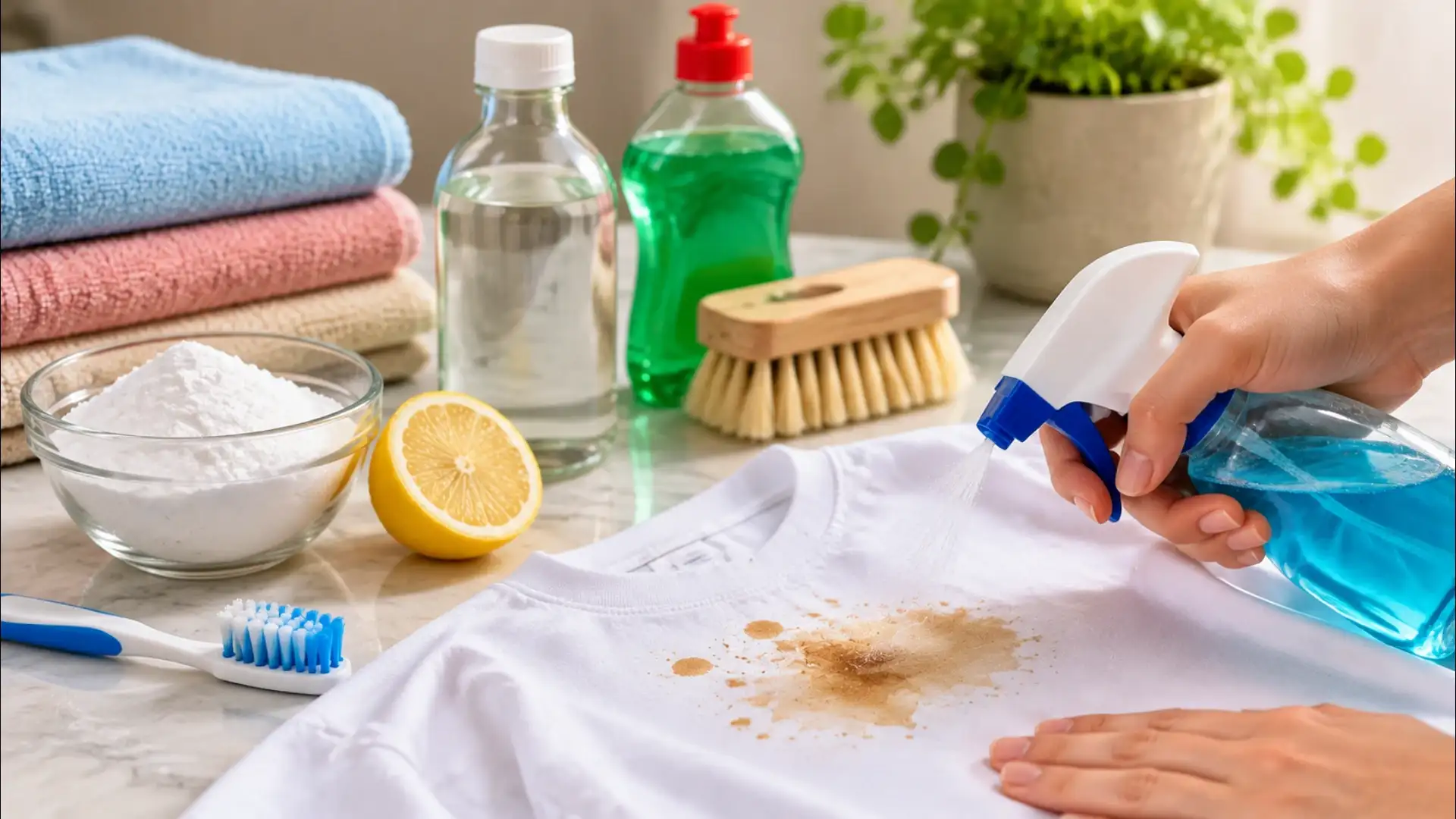
10 Effective Tips to Remove Stubborn Stains
1. Use Dish Soap for Fresh Oil and Grease Stains
Grease stains on clothes can be difficult to remove with water alone. Apply a few drops of liquid dish soap to the affected area and gently work it into the fabric. Leave it for around 10–15 minutes, then rinse and wash according to the garment's care label. Avoid putting the garment in a dryer until the stain has disappeared.2. Treat Coffee and Tea Stains Quickly
Fresh coffee and tea spills can leave noticeable marks on clothing and tablecloths. Blot the area with a clean cloth, then rinse from the reverse side with cool water. Apply a little liquid laundry detergent before washing. Avoid rubbing aggressively, as it can spread the stain.3. Try Baking Soda for Certain Surface Stains
Baking soda can help clean some household surfaces and absorb odours. Make a paste with water and gently apply it to suitable surfaces such as certain kitchen counters or sinks. Wipe with a damp cloth afterwards. Always test it in a small hidden area first, as its abrasive texture can scratch delicate finishes.4. Remove Ink Stains With Rubbing Alcohol
Some ink stains respond to rubbing alcohol. Place a clean cloth beneath the stained fabric and dab the mark carefully with a cotton pad lightly moistened with alcohol. Work from the outside towards the centre to limit spreading. Test the fabric first and keep alcohol away from flames.5. Use White Vinegar for Some Hard-Water Deposits
White vinegar can help loosen mineral deposits on suitable taps, showerheads and glass surfaces. Apply diluted vinegar, allow it to sit briefly and wipe clean. Do not use vinegar on natural stone such as marble or limestone, as its acidity can damage the surface.6. Deal With Mud Stains After They Dry
Wiping wet mud can push dirt deeper into fabric. Allow the mud to dry, brush away loose particles and then treat the remaining mark with liquid detergent. Wash according to the care instructions.7. Treat Sweat Marks With Laundry Detergent
Yellowish marks around collars and underarms can develop through a combination of sweat, body oils and deodorant residue. Apply liquid laundry detergent directly to the area, gently rub the fabric together and leave it for the recommended treatment time before washing. Avoid using chlorine bleach on coloured clothing.8. Use Cold Water for Blood Stains
Blood stains should be treated with cold water rather than hot water, which can set the stain. Rinse the affected area promptly and gently work in a suitable laundry detergent. For persistent marks, follow the garment's care instructions and use a fabric-safe stain remover.9. Clean Carpet Spills by Blotting
When juice, tea or food spills on a carpet, use a clean absorbent cloth to blot the liquid. Work from the outside towards the centre to prevent the stain from spreading. Apply a carpet-safe cleaner after testing it on an inconspicuous area. Avoid soaking the carpet.10. Use a Suitable Cleaner for Bathroom Stains
Soap scum and mineral deposits can accumulate around bathroom taps, tiles and shower screens. Use a bathroom cleaner suited to the surface and follow the product instructions. A soft brush can help remove residue from grout, while a squeegee can reduce water marks after showers.Common Stain Removal Mistakes to Avoid
- Do not rub fresh stains aggressively, as this can push them deeper into fabric.
- Avoid hot water on stains such as blood unless the care instructions specifically recommend otherwise.
- Never mix cleaning products, particularly bleach with vinegar, acids or ammonia.
- Do not use abrasive cleaners on delicate surfaces.
- Always check garment labels and test cleaning solutions on a hidden area first.
- Avoid drying stained clothes with heat until you are sure the mark has been removed.
Final Thoughts
Removing stubborn stains becomes easier when you use the right method for the affected material and type of mark. Whether you are dealing with grease, coffee, ink or mud, treating spills promptly and avoiding harsh cleaning methods can help protect your belongings. Always check care labels and test cleaning solutions before applying them to larger areas.Next Story