
10 Things You Should Stop Buying and Start Reusing in Your Everyday Life

Have you ever noticed how many everyday items you throw away after using them just once or twice? From plastic shopping bags to disposable kitchen products, small purchases can gradually add to household expenses and unnecessary waste. The good news is that many commonly used items have reusable alternatives that are easy to incorporate into your routine. Making a few simple changes can help you save money while reducing your environmental footprint. Here are 10 things you can stop buying regularly and start reusing instead.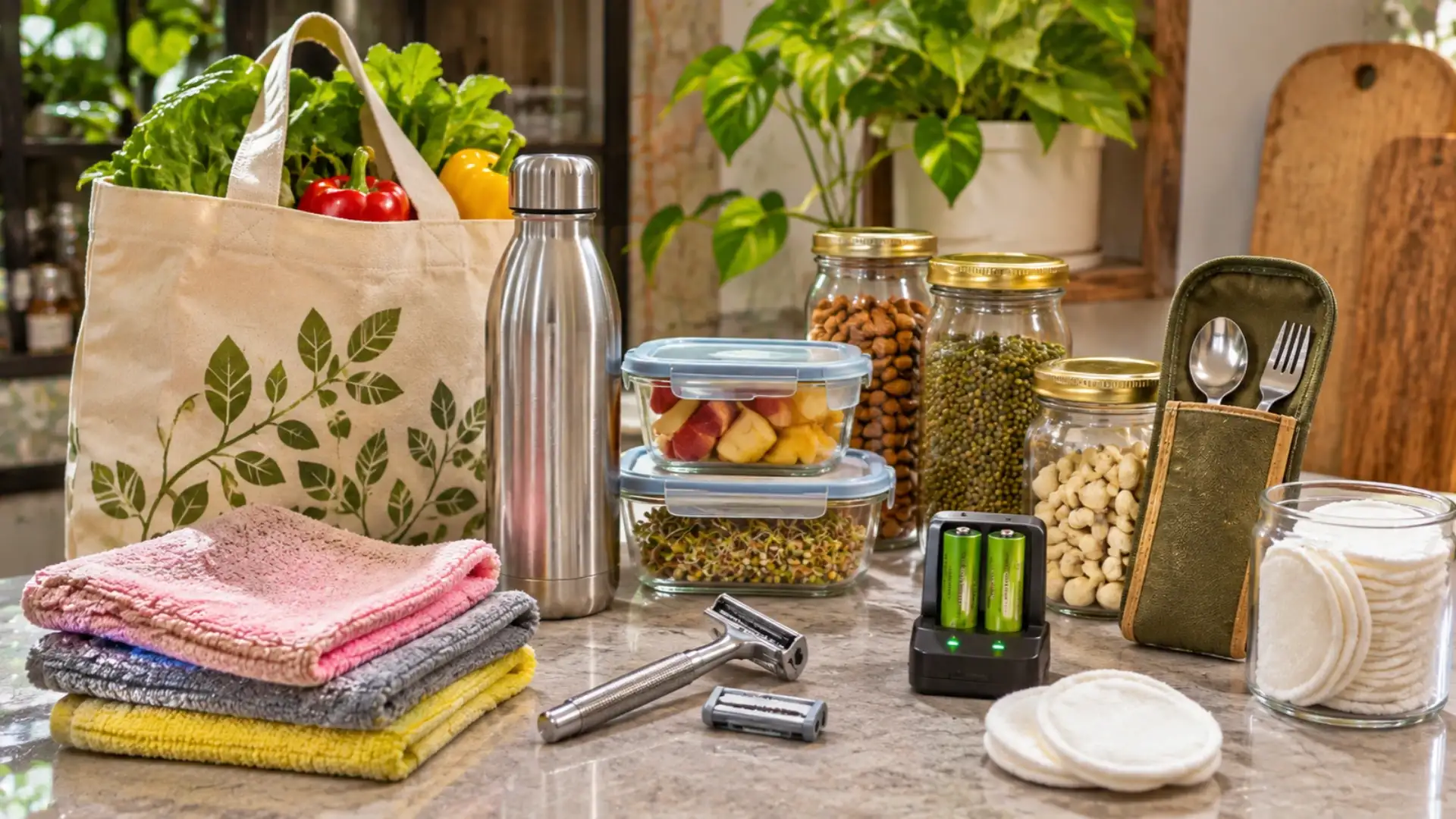
1. Replace Disposable Water Bottles With Reusable Ones
Buying bottled water regularly can become an unnecessary expense, especially when you are out for work, college or errands. Instead, carry a reusable stainless steel or BPA-free water bottle. You can refill it whenever you need and avoid purchasing single-use plastic bottles throughout the day. Choose one that is easy to clean and convenient to carry.2. Use Cloth Bags Instead of Plastic Shopping Bags
Rather than collecting plastic bags every time you visit a grocery store, invest in a few reusable cloth or jute bags. They are sturdy, washable and useful for everything from grocery shopping to carrying everyday essentials. Keep a folded bag in your handbag or car so that you always have one when needed.3. Switch From Paper Towels to Reusable Cleaning Cloths
Paper towels are convenient, but using them for every small spill or cleaning task can create a lot of waste. Old cotton T-shirts, towels and bedsheets can be cut into smaller cleaning cloths. Keep them in your kitchen or utility area and wash them after use. They are useful for wiping countertops, cleaning windows and dusting furniture.4. Choose Reusable Food Containers Instead of Disposable Wraps
Plastic wraps and disposable food packaging are often used to store leftovers or pack snacks. Reusable glass or stainless steel containers are a more practical alternative. You can use them to store cooked food, carry lunch or organise ingredients in your refrigerator. They are durable and can be used repeatedly with proper care.5. Reuse Glass Jars Instead of Buying Storage Containers
Before throwing away empty jam, pickle or sauce jars, consider giving them another purpose. Wash them thoroughly and reuse them to store spices, dry fruits, pulses, homemade sauces and other kitchen essentials. They can also be used to organise stationery, buttons, craft supplies and small household items.6. Replace Disposable Batteries With Rechargeable Ones
If you regularly use batteries for remote controls, toys, clocks or other household devices, rechargeable batteries can be a useful alternative where compatible. Although they may cost more initially, they can be charged and reused multiple times. Make sure you use the correct battery type and a compatible charger, and recycle batteries responsibly when they reach the end of their life.7. Use Reusable Razors Instead of Disposable Ones
Disposable razors often need to be replaced frequently, adding to both household expenses and plastic waste. A durable razor with replaceable blades can be a more economical option over time. You only need to replace the blade or cartridge when necessary instead of throwing away the entire handle. Remember to clean and dry it properly after use.8. Switch to Reusable Makeup Remover Pads
If you use cotton pads or tissues every day to remove makeup or apply skincare products, consider washable cotton or bamboo-fibre pads. They can be cleaned after each use and reused many times. Keep a small set near your skincare products and wash them regularly according to their care instructions.9. Reuse Old Clothes Instead of Buying Cleaning Rags
Clothes that are too worn out to donate do not necessarily need to be thrown away. Cotton shirts, pyjamas and towels can be turned into cleaning rags, dusting cloths or shoe-cleaning wipes. You can also reuse suitable fabric pieces for simple craft projects or household repairs. This gives old textiles another purpose before they are discarded.10. Carry Reusable Cutlery Instead of Buying Disposable Sets
Disposable spoons, forks and straws are often picked up when ordering takeaway food or eating outside. Carrying a small reusable cutlery set made of stainless steel or bamboo can help you avoid them. Keep it in a washable pouch in your handbag or backpack so that it is available whenever you need it.Make Reusing a Part of Your Everyday Routine
You do not have to replace everything in your home at once to live more sustainably. Start with a few simple changes, such as carrying a cloth bag, reusing glass jars or keeping washable cleaning cloths handy. These small habits can reduce unnecessary purchases, limit everyday waste and help you make better use of the things you already own. The most sustainable choice is often to use what you have for as long as possible.Next Story