10 Forgotten Indian Recipes That Should Return to Our Kitchens

India's culinary heritage is not disappearing dramatically. It is fading quietly, one recipe at a time. A dish stops being prepared because it takes too long, an ingredient becomes difficult to find, or younger family members simply prefer something easier. Eventually, the person who knows the recipe may be the only one left who remembers exactly how it was made. Across India, food researchers and cultural organisations have documented dishes that have already vanished or are at risk of doing so. In Madhya Pradesh alone, a state culture department study identified hundreds of traditional preparations that had disappeared or were close to disappearing.
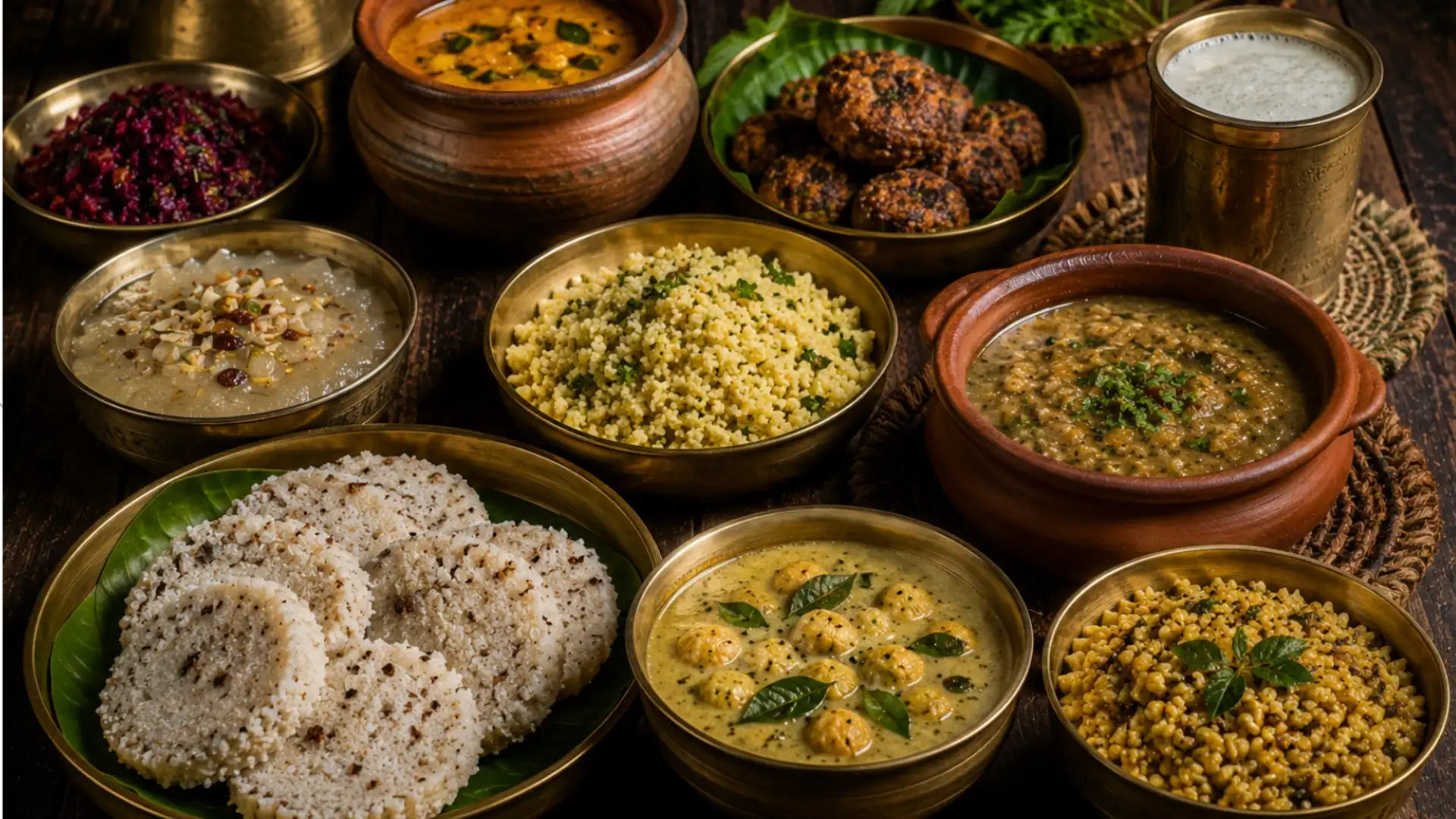
In Madhya Pradesh, traditional preparations such as gulgula, raskhir, rasputka, mauhari, baat, mehri, jwar ka khichda and kola ki kheer have faded from many kitchens. The study also identified numerous leafy-green preparations that had disappeared.
Across other parts of India, dishes such as paani ki roti, kamal kakdi kofta curry, parinde mein parinda and several old regional preparations are increasingly described as lost or rarely made.
Food historians have pointed out another problem: recipes transmitted orally can be lost when younger generations stop learning them. Once a dish disappears from regular household cooking, recreating the original version becomes much harder.
Recent culinary projects have also revived dishes such as Himachal Pradesh's mahni, Bihar's chandrakala, Uttarakhand's sael roti and Odisha's amba khatta.
A recipe can disappear without making headlines. Yet when it does, a small piece of cultural memory disappears with it.
Sometimes the best way to protect India's food heritage is surprisingly simple: ask an older relative what they used to cook, write it down and make it again.
Recipes That Once Belonged to Everyday Life
The problem with the word "forgotten" is that these dishes were rarely exotic when they were popular. They were everyday food.In Madhya Pradesh, traditional preparations such as gulgula, raskhir, rasputka, mauhari, baat, mehri, jwar ka khichda and kola ki kheer have faded from many kitchens. The study also identified numerous leafy-green preparations that had disappeared.
Across other parts of India, dishes such as paani ki roti, kamal kakdi kofta curry, parinde mein parinda and several old regional preparations are increasingly described as lost or rarely made.
Why Traditional Recipes Disappear
The reasons are surprisingly ordinary. Modern families have less time for recipes requiring several hours of preparation. Some ingredients are seasonal or no longer commonly sold. Changing agricultural practices can also make traditional ingredients harder to obtain.Food historians have pointed out another problem: recipes transmitted orally can be lost when younger generations stop learning them. Once a dish disappears from regular household cooking, recreating the original version becomes much harder.
The Revival Has Already Started
There are encouraging signs. Chefs, food historians and home cooks are increasingly documenting old recipes. In Lucknow, culinary revival projects have brought forgotten Awadhi dishes back to restaurant tables, including preparations such as mutanjan and lehsun ki kheer.Recent culinary projects have also revived dishes such as Himachal Pradesh's mahni, Bihar's chandrakala, Uttarakhand's sael roti and Odisha's amba khatta.
Why a Comeback Matters
Reviving forgotten Indian dishes is not simply about nostalgia. Traditional recipes often preserve knowledge about seasonal eating, local crops and low-waste cooking.A recipe can disappear without making headlines. Yet when it does, a small piece of cultural memory disappears with it.
Sometimes the best way to protect India's food heritage is surprisingly simple: ask an older relative what they used to cook, write it down and make it again.
Next Story