
10 Greenest Places to Visit in India After the Monsoon for a Refreshing Holiday

India's monsoon does more than bring relief from the summer heat. It transforms hills, valleys, forests and countryside into spectacular shades of green. Once the heaviest showers begin to recede, many destinations reveal a fresh side, with mist-covered mountains, overflowing streams and landscapes that seem to have been painted anew. From the tea gardens of Kerala to the rice fields of Arunachal Pradesh, these places offer travellers an opportunity to experience nature at its most vibrant. If you enjoy scenic road trips, peaceful walks and breathtaking landscapes, these Indian places that become lush green after the monsoon deserve a spot on your travel list.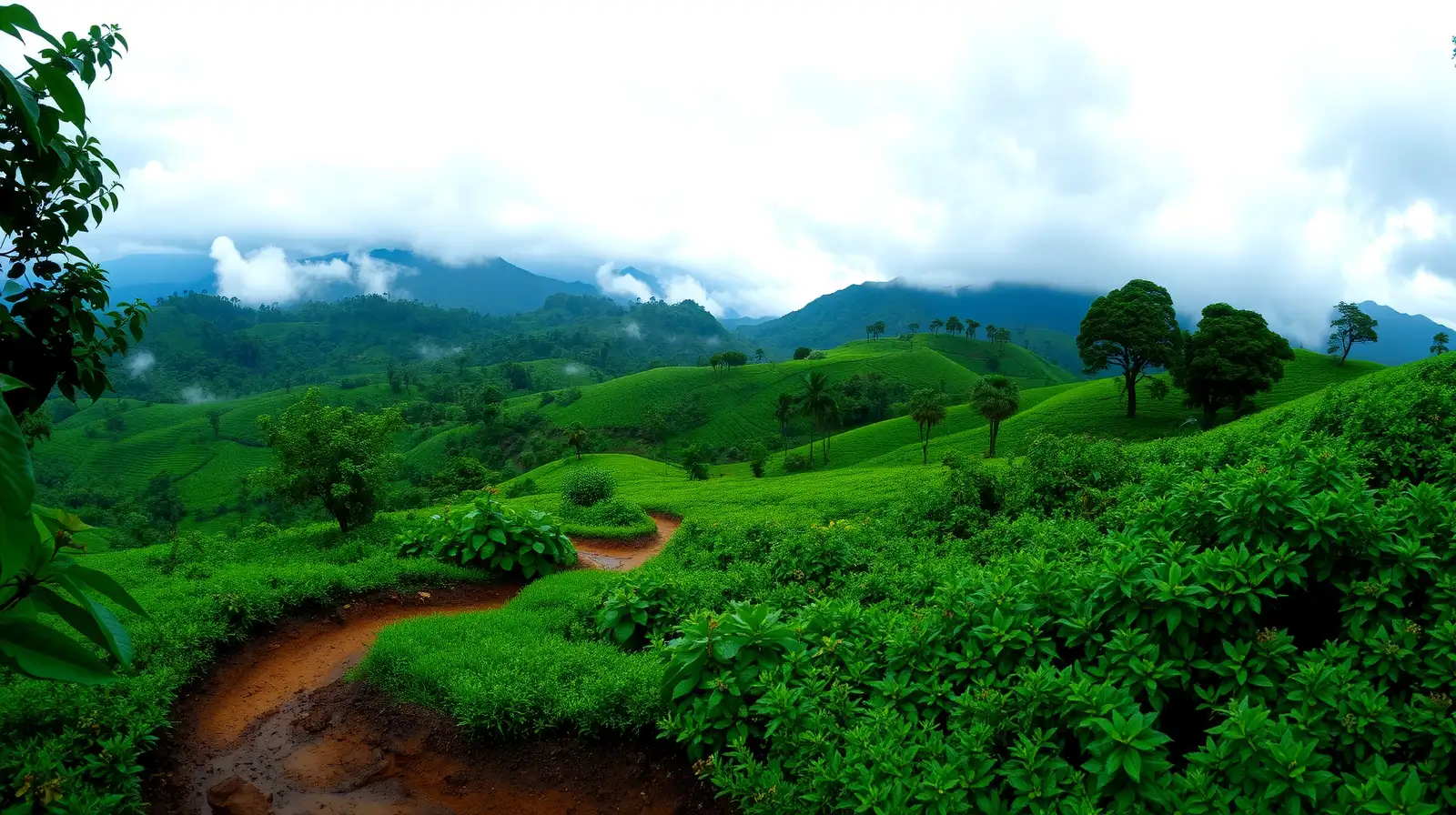
1. Munnar, Kerala
Nestled in the Western Ghats, Munnar is known for its rolling tea plantations and misty hills. After the monsoon, the tea gardens take on a striking emerald appearance, while streams and waterfalls gain fresh momentum. The surrounding shola forests also become denser, making the region ideal for nature walks and scenic drives.2. Coorg, Karnataka
Often called the Scotland of India, Coorg is home to coffee plantations, forested hills and winding country roads. The post-monsoon landscape is particularly inviting, with clean mountain air and vibrant vegetation. Visitors can explore coffee estates, visit Abbey Falls and enjoy the region's distinctive Kodava culture.3. Wayanad, Kerala
Wayanad's forests, paddy fields and rolling hills become exceptionally green during and after the rainy season. The region's wildlife habitats benefit from seasonal rainfall, although heavy weather can affect access to certain areas. Beyond its scenery, Wayanad offers an opportunity to learn about the traditions of indigenous communities.4. Cherrapunji, Meghalaya
Sohra, popularly known as Cherrapunji, is famous for its extraordinary rainfall. After the rains, its cliffs, valleys and surrounding forests remain intensely green. Waterfalls such as Nohkalikai become particularly impressive during the wet season, while living root bridges reflect generations of Khasi ecological knowledge.5. Ziro Valley, Arunachal Pradesh
Ziro offers a different kind of monsoon beauty. Its landscape combines lush paddy fields, pine-covered hills and traditional villages. The Apatani community's distinctive agricultural practices make the valley culturally fascinating as well as visually appealing.6. Valley of Flowers, Uttarakhand
During the summer monsoon, this high-altitude national park becomes a carpet of alpine flowers. Although access depends on weather and official opening dates, the blooming season offers one of the Himalayas' most remarkable natural spectacles.7. Sakleshpur, Karnataka
Sakleshpur's coffee plantations and forested slopes flourish during the rainy season. Once the showers ease, the region's green hills, historic Manjarabad Fort and scenic viewpoints make it an appealing destination for travellers seeking a quieter getaway.8. Dzukou Valley, Nagaland
Known for its rolling grasslands and seasonal flowers, Dzukou Valley develops a fresh green character during the monsoon. The trek requires preparation, but the peaceful surroundings offer a rewarding experience for those who enjoy exploring lesser-known landscapes.9. Mahabaleshwar, Maharashtra
Mahabaleshwar's hills, forests and valleys become lush after the monsoon. The hill station's viewpoints, strawberry farms and seasonal streams attract visitors looking for a refreshing break from nearby cities.10. Tirthan Valley, Himachal Pradesh
Surrounded by forested mountains and flowing rivers, Tirthan Valley retains much of its greenery after the rains. Its proximity to the Great Himalayan National Park also makes it an interesting destination for wildlife enthusiasts and responsible nature travellers.Next Story