
10 High-Protein Indian Breakfasts That Are Easy to Make

Breakfast in India has never been short of variety, but many traditional morning meals are now getting a nutritional makeover. As interest in protein-rich diets grows, familiar dishes such as besan chilla, moong dal cheela and idli are being paired with ingredients such as paneer, yoghurt, eggs and sprouts. The good news is that you do not need expensive protein powders or complicated recipes to make a filling breakfast. Many everyday Indian ingredients already provide useful amounts of protein. Health guidance also commonly recommends foods such as eggs, yoghurt, pulses, nuts and milk as convenient ways to increase protein intake.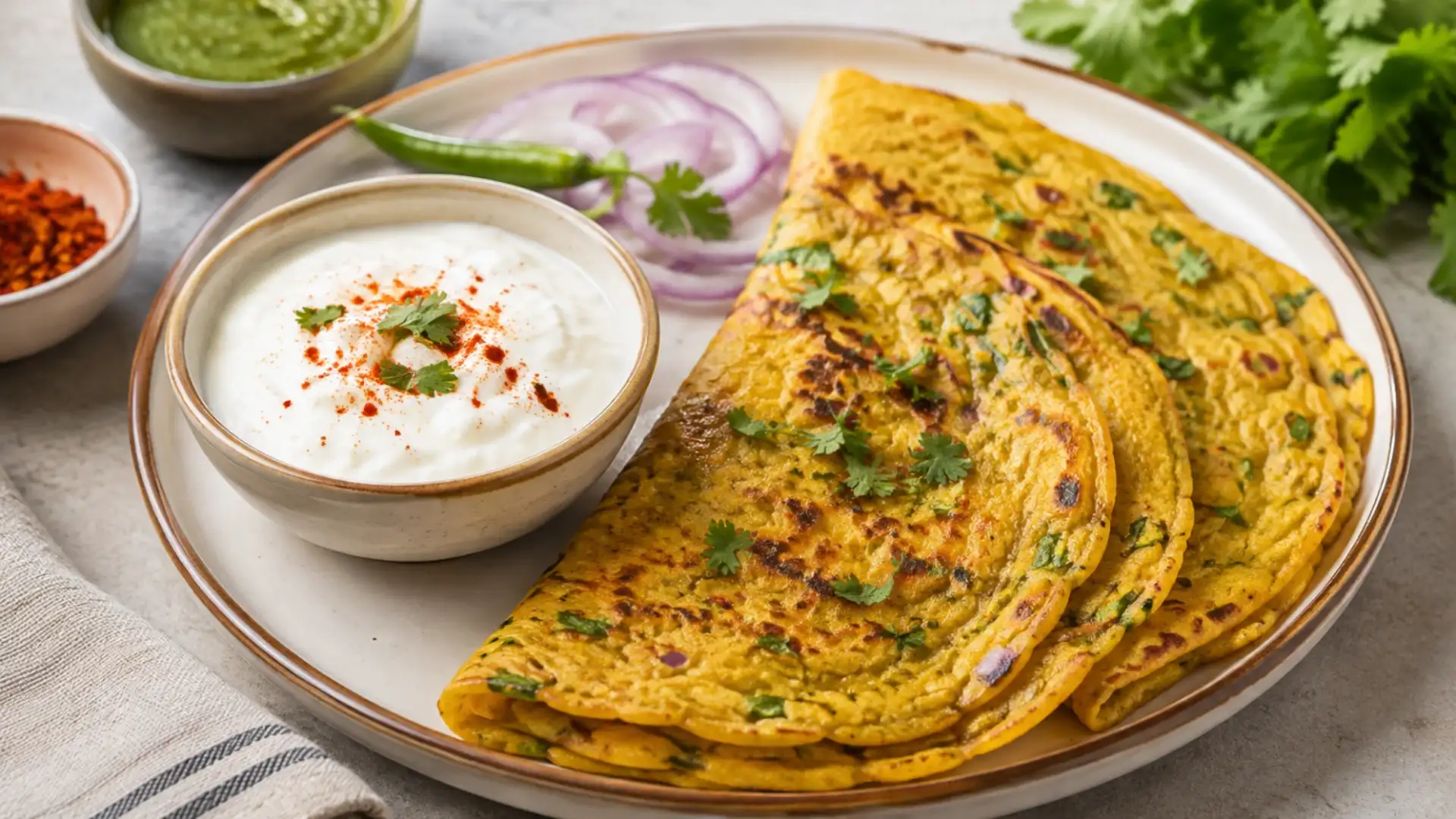
Serve two chillas with plain curd for a more substantial meal. You can also add grated paneer to the batter if you want an extra protein boost without changing the basic recipe too much.
Add finely chopped vegetables or a paneer filling to make it more substantial. Pulses such as lentils, beans and chickpeas are recognised sources of protein and can be incorporated into everyday meals in many ways.
It works particularly well for people who want something savoury and filling without spending much time in the kitchen.
For busy mornings, boiled eggs prepared the night before can make breakfast even easier. Eggs, yoghurt and milk are frequently suggested as practical protein-rich breakfast choices.
It requires virtually no cooking if the sprouts are prepared in advance, making it particularly useful on rushed mornings.
This is a good example of how traditional Indian combinations can provide more balanced meals without completely changing familiar eating habits.
The peanuts also provide healthy fats, while vegetables contribute fibre and micronutrients.
NHS nutrition guidance also suggests yoghurt, nuts and seeds as convenient ways to increase protein in meals and snacks.
This combination can turn an ordinary bowl of oats into a more substantial breakfast that is easy to prepare ahead of time.
It is a particularly useful option for office commuters because it can be wrapped and carried without much fuss.
Dal, chana, moong beans, paneer, curd, eggs, milk, peanuts and seeds have long been part of Indian kitchens. The modern change is often about combining them more deliberately and paying greater attention to nutritional balance.
That may be the most useful lesson from the protein trend. A healthier breakfast does not have to be exotic, expensive or complicated. Sometimes, the ingredients needed for it have been sitting in the kitchen all along.
1. Besan Chilla With Curd
Besan chilla is one of the simplest ways to add more protein to breakfast. Made from gram flour, it can be mixed with onions, tomatoes, coriander, chillies and spices before being cooked like a savoury pancake.Serve two chillas with plain curd for a more substantial meal. You can also add grated paneer to the batter if you want an extra protein boost without changing the basic recipe too much.
2. Moong Dal Cheela
Soaked moong dal becomes the base for a light but satisfying cheela. Blend the dal with ginger, green chilli and a little water, then cook the batter on a hot tawa.Add finely chopped vegetables or a paneer filling to make it more substantial. Pulses such as lentils, beans and chickpeas are recognised sources of protein and can be incorporated into everyday meals in many ways.
3. Paneer Bhurji With Roti
Paneer bhurji takes only a few minutes to prepare. Crumble paneer into a pan with onion, tomato, turmeric, cumin and coriander, then serve it with a wholemeal roti.It works particularly well for people who want something savoury and filling without spending much time in the kitchen.
4. Egg Bhurji With Wholemeal Toast
Eggs remain one of the most convenient breakfast proteins. Scramble them with onion, tomato, coriander and spices, then serve with wholemeal toast.For busy mornings, boiled eggs prepared the night before can make breakfast even easier. Eggs, yoghurt and milk are frequently suggested as practical protein-rich breakfast choices.
5. Sprouts Chaat
Sprouted moong beans can be turned into a fresh breakfast chaat with tomatoes, cucumber, onion, coriander, lemon juice and spices.It requires virtually no cooking if the sprouts are prepared in advance, making it particularly useful on rushed mornings.
6. Idli With Sambar
Idli is often thought of mainly as a carbohydrate-rich breakfast, but serving it with a generous bowl of sambar changes the nutritional picture. Sambar contains lentils and vegetables, adding protein, fibre and flavour to the meal.This is a good example of how traditional Indian combinations can provide more balanced meals without completely changing familiar eating habits.
7. Vegetable Poha With Peanuts
Poha becomes more protein-rich when cooked with roasted peanuts, peas and vegetables. Adding a side of curd can make the breakfast even more satisfying.You may also like
- Komic village: Inside India's 'village closest to the sky' where oxygen is nearly 50% lower
- 9 Unique Krishna Mehndi Ideas for a Festive Janmashtami
- 15 Benefits of Moringa for Skin and Hair
- 10 Amazing Benefits of Beetroot for Skin and Hair
- Traumatic Birth and Heavy Bleeding: Understanding the Emotional Impact
The peanuts also provide healthy fats, while vegetables contribute fibre and micronutrients.
8. Greek Yoghurt With Fruit and Nuts
For mornings when cooking is simply not practical, thick yoghurt can be an easy alternative. Add fruit, almonds, walnuts or seeds for texture and extra nutrients.NHS nutrition guidance also suggests yoghurt, nuts and seeds as convenient ways to increase protein in meals and snacks.
9. Oats With Milk, Nuts and Seeds
Oats do not have to mean a sweet, plain bowl of porridge. Cook them in milk and add almonds, pumpkin seeds, peanuts or yoghurt.This combination can turn an ordinary bowl of oats into a more substantial breakfast that is easy to prepare ahead of time.
10. Egg and Paneer Roll
For a breakfast that can be eaten on the move, combine scrambled egg and crumbled paneer inside a wholemeal roti. Add onions, coriander and a little chutney for flavour.It is a particularly useful option for office commuters because it can be wrapped and carried without much fuss.
Why Traditional Foods Still Work
The growing interest in high-protein breakfasts does not necessarily mean Indian households need to abandon traditional foods. In fact, many familiar ingredients already fit the trend.Dal, chana, moong beans, paneer, curd, eggs, milk, peanuts and seeds have long been part of Indian kitchens. The modern change is often about combining them more deliberately and paying greater attention to nutritional balance.
That may be the most useful lesson from the protein trend. A healthier breakfast does not have to be exotic, expensive or complicated. Sometimes, the ingredients needed for it have been sitting in the kitchen all along.






Loving Newspoint? Download the app now
