
10 Animals That Can Survive For Months With Very Little Food

Food is essential for life, yet some animals have evolved remarkable ways to cope when it becomes scarce. Instead of needing regular meals, they can slow their metabolism, store energy in their bodies, rely on fat reserves or enter periods of reduced activity.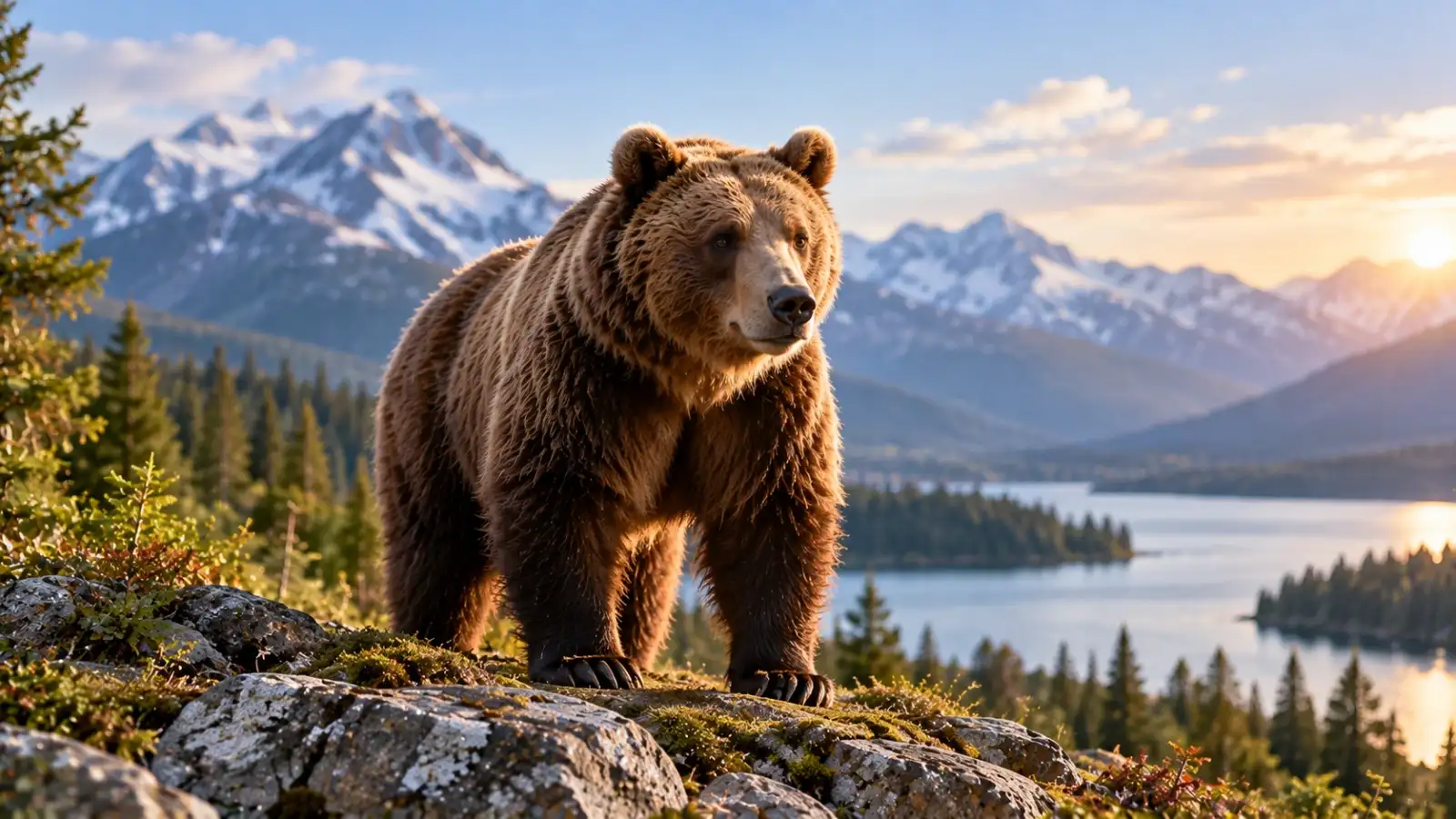
These adaptations are particularly useful in places where food availability changes dramatically with the seasons. Some animals survive harsh winters, long dry periods or extended journeys when finding food is difficult. Their ability to survive with little food does not mean they never need nourishment. Rather, their bodies are specially adapted to make better use of limited energy.
Here are ten fascinating creatures that can survive surprisingly long periods when food is difficult to find.
Large crocodiles can sometimes go for extended periods without eating, relying on energy stored in their bodies. They spend much of their time remaining still in or near water, which helps reduce unnecessary energy expenditure. Their ability to survive without frequent meals is particularly useful when prey becomes difficult to find.
Some snakes consume a large prey item and then remain inactive while digesting it. During periods when prey is scarce, they can reduce their activity and use stored energy. This ability is especially useful for species living in environments where meals may be unpredictable.
During this period, males remain on the Antarctic ice and rely heavily on fat reserves built up before breeding. They conserve energy by standing close together in large groups and limiting unnecessary movement. Once the fasting period ends, they must return to the sea to feed.
During this period, their metabolism changes and their activity drops dramatically. They live largely on stored body fat while avoiding the energy demands of normal daily activity. Different bear species and populations have different patterns, so winter dormancy should not be treated as identical across all bears.
During this state, their metabolism drops to an extremely low level. Their bodies become dehydrated and their biological activity is greatly reduced. This allows them to survive periods when normal feeding and activity are impossible.
Tardigrades are not simply living normally without food. Instead, they essentially place their biological processes on hold until conditions become more favourable.
Camels are particularly well adapted to harsh environments where vegetation may be sparse. Their bodies can conserve water and use stored energy efficiently. Their ability to cope with limited food is part of a broader set of adaptations that help them survive in dry regions.
During this period, the animal's metabolic activity drops substantially. It can survive for long periods while waiting for water to return. The lungfish's ability to survive harsh dry seasons demonstrates how dramatically some animals can change their biology when normal food and water sources disappear.
Spiders are predators that do not need to chase prey constantly. Many species remain still for long periods, waiting for insects to become available. This combination of low energy use and an opportunistic hunting strategy helps some spiders cope with periods when food is scarce.
Some scorpions can survive for long periods without feeding, especially when temperatures and activity levels are low. They spend much of their time hiding and only become active when conditions are suitable. Their ability to wait patiently for prey is an important part of their survival strategy.
In some species, periods of reduced activity can last for months. They rely on stored energy while spending much of the time in a relatively inactive state. This adaptation helps them survive seasonal changes when normal feeding becomes difficult.
Temperature also plays an important role. Cold conditions can reduce the metabolic demands of some animals, while drought can trigger dormancy in species adapted to dry environments.
Behaviour matters too. Remaining still, hiding from predators and avoiding unnecessary movement can help an animal conserve the energy it has available.
These survival strategies demonstrate that eating less is not simply a matter of willpower or endurance. It depends heavily on biology. An animal that has evolved to survive seasonal food shortages may have physiological mechanisms that humans simply do not possess.
The natural world is full of examples of animals adapting to uncertainty. When food disappears, some creatures migrate, some change their diet and others slow their bodies down dramatically. Their ability to survive difficult periods shows just how closely animal biology is connected to the environments in which species evolved.
These adaptations are particularly useful in places where food availability changes dramatically with the seasons. Some animals survive harsh winters, long dry periods or extended journeys when finding food is difficult. Their ability to survive with little food does not mean they never need nourishment. Rather, their bodies are specially adapted to make better use of limited energy.
Here are ten fascinating creatures that can survive surprisingly long periods when food is difficult to find.
1. Crocodiles
Crocodiles are among the most impressive animals when it comes to surviving between meals. Their slow metabolism allows them to use energy very efficiently, particularly when they are resting.Large crocodiles can sometimes go for extended periods without eating, relying on energy stored in their bodies. They spend much of their time remaining still in or near water, which helps reduce unnecessary energy expenditure. Their ability to survive without frequent meals is particularly useful when prey becomes difficult to find.
2. Snakes
Many snakes can survive for weeks or even months between substantial meals, depending on their species, size, environment and previous food intake. Their metabolism and digestive systems allow them to make efficient use of a meal.Some snakes consume a large prey item and then remain inactive while digesting it. During periods when prey is scarce, they can reduce their activity and use stored energy. This ability is especially useful for species living in environments where meals may be unpredictable.
3. Emperor Penguins
Emperor penguins experience one of the most challenging food shortages in the animal world during their breeding cycle. Male emperor penguins can spend months fasting while incubating the egg.During this period, males remain on the Antarctic ice and rely heavily on fat reserves built up before breeding. They conserve energy by standing close together in large groups and limiting unnecessary movement. Once the fasting period ends, they must return to the sea to feed.
4. Bears
Bears are famous for their ability to survive long periods with little or no food during winter denning. Before entering their winter dens, they eat heavily and build substantial fat reserves.During this period, their metabolism changes and their activity drops dramatically. They live largely on stored body fat while avoiding the energy demands of normal daily activity. Different bear species and populations have different patterns, so winter dormancy should not be treated as identical across all bears.
5. Tardigrades
Tardigrades are microscopic animals famous for their ability to survive extreme environmental conditions. When conditions become unsuitable, they can enter a state known as cryptobiosis.During this state, their metabolism drops to an extremely low level. Their bodies become dehydrated and their biological activity is greatly reduced. This allows them to survive periods when normal feeding and activity are impossible.
Tardigrades are not simply living normally without food. Instead, they essentially place their biological processes on hold until conditions become more favourable.
6. Camels
Camels are often described as animals that can survive for long periods without food, but their famous humps do not store water. They store fat, which can be used as an energy source when food is limited.Camels are particularly well adapted to harsh environments where vegetation may be sparse. Their bodies can conserve water and use stored energy efficiently. Their ability to cope with limited food is part of a broader set of adaptations that help them survive in dry regions.
7. African Lungfish
African lungfish have an extraordinary survival strategy for periods when their aquatic habitats dry out. Some species can burrow into mud and enter a dormant state called aestivation.During this period, the animal's metabolic activity drops substantially. It can survive for long periods while waiting for water to return. The lungfish's ability to survive harsh dry seasons demonstrates how dramatically some animals can change their biology when normal food and water sources disappear.
8. Spiders
Some spiders can survive for surprisingly long periods without eating, particularly when environmental conditions reduce prey availability. Their low energy requirements help them conserve resources.Spiders are predators that do not need to chase prey constantly. Many species remain still for long periods, waiting for insects to become available. This combination of low energy use and an opportunistic hunting strategy helps some spiders cope with periods when food is scarce.
9. Scorpions
Scorpions are another group of animals adapted to surviving in environments where meals may be unpredictable. Their metabolism can be relatively slow, allowing them to conserve energy between meals.Some scorpions can survive for long periods without feeding, especially when temperatures and activity levels are low. They spend much of their time hiding and only become active when conditions are suitable. Their ability to wait patiently for prey is an important part of their survival strategy.
10. Snapping Turtles
Some freshwater turtles can survive extended periods with very limited food, particularly during colder seasons when their activity falls sharply. Their metabolism slows as their body temperature drops.In some species, periods of reduced activity can last for months. They rely on stored energy while spending much of the time in a relatively inactive state. This adaptation helps them survive seasonal changes when normal feeding becomes difficult.
How Animals Survive When Food Becomes Scarce
Animals that cope well with food shortages tend to rely on one or more key strategies. Some store energy as fat, while others reduce their metabolism so dramatically that their energy requirements become very small.Temperature also plays an important role. Cold conditions can reduce the metabolic demands of some animals, while drought can trigger dormancy in species adapted to dry environments.
Behaviour matters too. Remaining still, hiding from predators and avoiding unnecessary movement can help an animal conserve the energy it has available.
These survival strategies demonstrate that eating less is not simply a matter of willpower or endurance. It depends heavily on biology. An animal that has evolved to survive seasonal food shortages may have physiological mechanisms that humans simply do not possess.
The natural world is full of examples of animals adapting to uncertainty. When food disappears, some creatures migrate, some change their diet and others slow their bodies down dramatically. Their ability to survive difficult periods shows just how closely animal biology is connected to the environments in which species evolved.
Next Story