10 Indian Foods That Naturally Pack a Protein Punch

Protein has become one of the biggest talking points in modern food culture, but India has never been short of protein-rich ingredients. Long before protein powders and packaged bars became fashionable, Indian kitchens relied on dals, beans, dairy, seeds and grains to build filling meals. Many of these foods are inexpensive, versatile and deeply connected with regional cooking traditions. The challenge is often not finding protein, but recognising where it is already present. From a bowl of dal to roasted chana and sattu, familiar ingredients can contribute meaningfully to daily protein intake when combined thoughtfully with a varied diet.
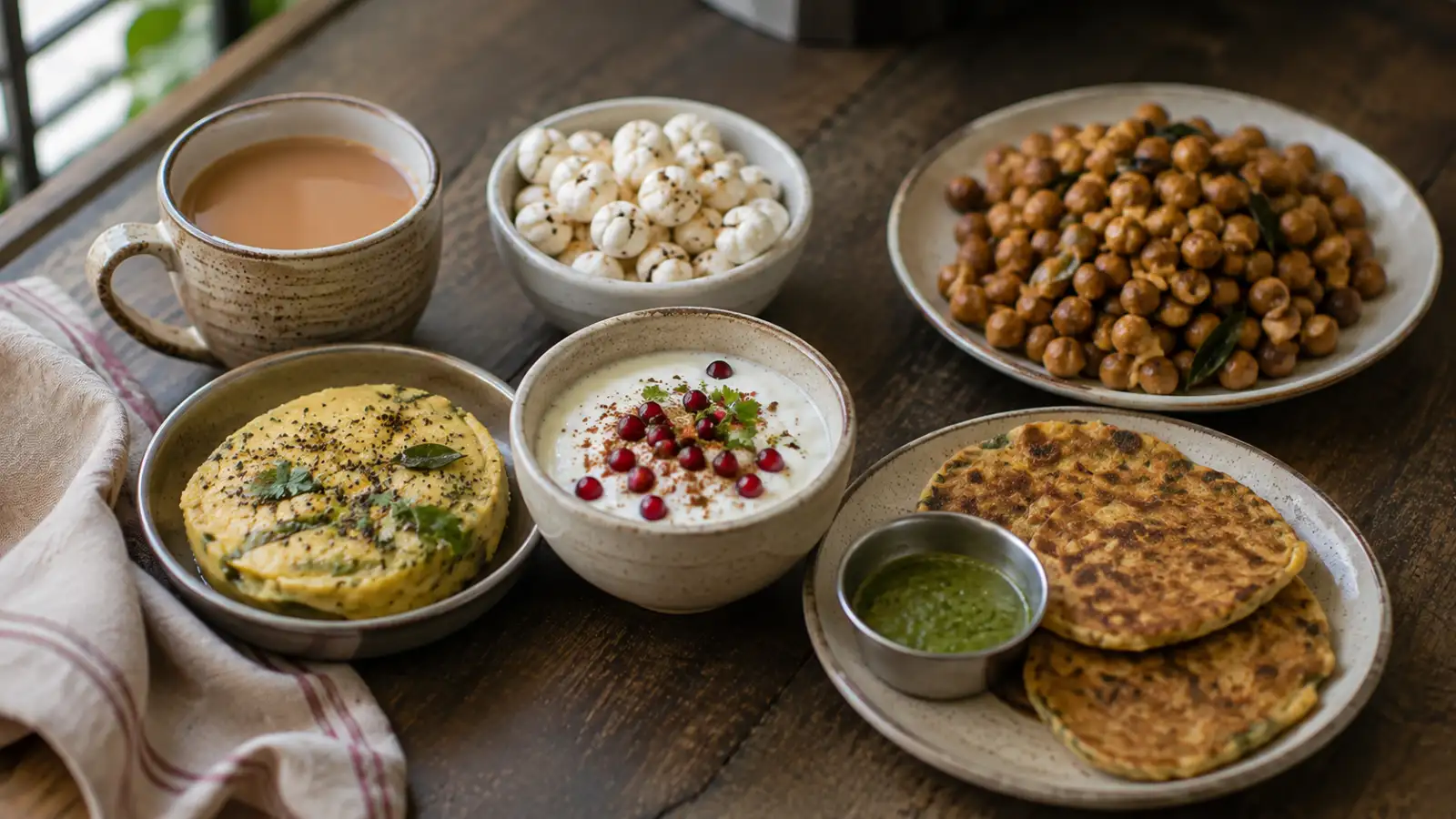
Hero Image


1. Moong Dal

Moong dal is a staple in many Indian homes. It is relatively easy to digest and can be prepared as dal, khichdi, cheela or sprouts.

2. Chana

Chickpeas are useful in both whole and flour form. Chole, roasted chana and besan-based dishes provide different ways to include them.


3. Rajma

Rajma is particularly popular in North India and works well with rice or roti. It also provides fibre alongside protein.

4. Sattu

Roasted gram flour is one of India's most practical traditional foods. It can be mixed with water and spices as a drink or used in stuffed parathas and other dishes.


5. Paneer

Paneer remains one of the easiest vegetarian sources of protein for many households. It can be grilled, added to curries or mixed into wraps and salads.

6. Curd

Curd provides protein as well as calcium. It can accompany meals or become the base for raita and savoury bowls.

7. Soybean

Soy foods deserve more attention because they provide substantial plant protein. Tofu, soy chunks and whole soybeans can fit into a variety of Indian recipes.

8. Peanuts

Often treated simply as a snack, peanuts can also contribute protein to chutneys, poha, salads and traditional preparations.


9. Urad Dal

Urad dal is central to dishes such as idli, dosa and dal preparations. It also demonstrates how protein-rich ingredients can be incorporated into familiar regional foods.

10. Masoor Dal

Masoor is quick to cook and works well in soups, dals and khichdi. Like other pulses, its nutritional value is part of a larger dietary pattern.

The Importance of Combining Foods

The protein content of pulses changes considerably after cooking because they absorb water. Raw pulse figures therefore should not be directly compared with cooked portions.

Combining pulses with cereals is also a longstanding feature of Indian diets. Dal with rice or roti is not merely a comfort-food combination. It is a practical example of complementary plant foods.

Why This Matters Today

The modern obsession with protein sometimes makes nutrition seem expensive or complicated. Indian food traditions offer a different lesson.


Protein can come from ordinary ingredients, cooked in ordinary ways. The real opportunity is to build balanced meals rather than chase one fashionable food.