
10 Indian Waterfalls That Look Spectacular After the Monsoon

India's waterfalls are among its most captivating natural attractions, but their appearance changes dramatically with the seasons. During the monsoon, rainwater rushes through forests, mountains and rocky plateaus, transforming quiet streams into powerful cascades. Some waterfalls become wide, thunderous curtains of water, while others reveal hidden beauty as the surrounding landscape turns green. For travellers, the period after the heaviest rains can offer an excellent opportunity to experience these natural wonders, provided local conditions are safe. From the Western Ghats to the hills of Meghalaya, these Indian waterfalls offer a fascinating combination of dramatic scenery, local history and seasonal adventure.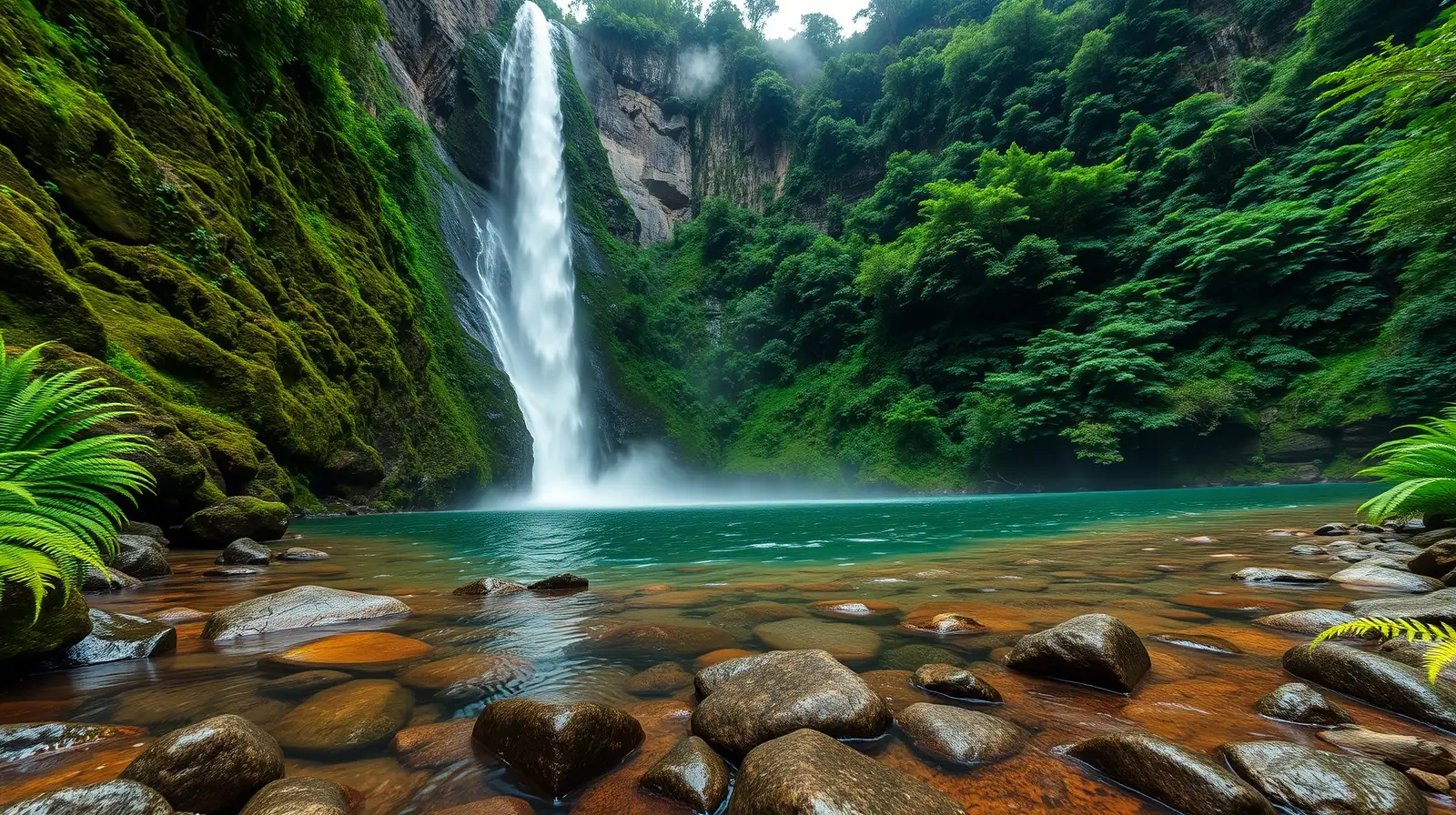
The waterfall consists of four distinct cascades: Raja, Rani, Roarer and Rocket. Rainfall in the surrounding Western Ghats can significantly increase the volume of water, making the falls particularly impressive.
The nearby viewpoints offer panoramic views, although visitors should follow safety instructions during periods of heavy rain.
The waterfall is surrounded by the forests of the Western Ghats and is especially dramatic during the rainy season. Access restrictions may apply during periods of heavy rainfall, and visitors should check official guidance before planning a trip.
The surrounding biodiversity also makes the area significant beyond its visual appeal.
At approximately 340 metres, it is widely recognised as India's tallest plunge waterfall. The falls are fed by rainwater, making the monsoon and post-monsoon period particularly appealing for visitors.
Local folklore also surrounds the waterfall, adding a cultural dimension to its natural beauty.
The waterfall becomes especially powerful during the monsoon, when the surrounding forests turn lush and streams swell with rainwater. The region supports diverse wildlife, including species associated with the Western Ghats.
Visitors should check access conditions, as heavy rainfall can affect nearby roads and viewing areas.
The monsoon can increase the river's flow, creating a dramatic landscape. The area is also associated with traditional coracle rides, although boating is often restricted when water levels become dangerous.
The waterfall's name is commonly translated as ‘smoking rocks’, referring to the appearance of water spray rising from the rocky surroundings.
The falls are particularly striking when monsoon rainfall increases the river's volume. The surrounding landscape combines rocky terrain, greenery and historic engineering infrastructure.
The region is also associated with one of India's earliest hydroelectric power projects, adding historical significance to the visit.
During the monsoon, the waterfall expands into a broad, powerful cascade. Its horseshoe-shaped structure makes it visually distinctive.
The surrounding Bastar region is known for its rich tribal traditions, handicrafts and forest landscapes, offering travellers an opportunity to explore more than just the waterfall.
The three-tiered waterfall is surrounded by dense greenery and rocky terrain. Monsoon rainfall enhances the flow, although access and swimming conditions depend on local safety regulations.
The area is popular with nature enthusiasts seeking scenic walks and forest landscapes.
The falls become particularly attractive during the rainy season, when water descends through the forested hills in several stages.
Its surroundings offer a quieter alternative to some of the region's more famous tourist attractions.
The falls are at their most impressive during and shortly after the monsoon, when rainwater fills the surrounding streams.
The nearby viewing areas provide opportunities to admire the scenery without undertaking a difficult trek.
1. Jog Falls, Karnataka
Located in the Sharavathi River basin, Jog Falls is one of India's most recognisable waterfalls. The river plunges dramatically over a rocky cliff, creating a spectacular sight during the monsoon season.The waterfall consists of four distinct cascades: Raja, Rani, Roarer and Rocket. Rainfall in the surrounding Western Ghats can significantly increase the volume of water, making the falls particularly impressive.
The nearby viewpoints offer panoramic views, although visitors should follow safety instructions during periods of heavy rain.
2. Dudhsagar Falls, Goa
Dudhsagar Falls is situated on the Mandovi River near the Goa-Karnataka border. Its name translates to ‘Sea of Milk’, a reference to the white appearance of the cascading water.The waterfall is surrounded by the forests of the Western Ghats and is especially dramatic during the rainy season. Access restrictions may apply during periods of heavy rainfall, and visitors should check official guidance before planning a trip.
The surrounding biodiversity also makes the area significant beyond its visual appeal.
3. Nohkalikai Falls, Meghalaya
Near Sohra, formerly known as Cherrapunji, Nohkalikai Falls drops from a forested plateau into a striking blue-green pool.At approximately 340 metres, it is widely recognised as India's tallest plunge waterfall. The falls are fed by rainwater, making the monsoon and post-monsoon period particularly appealing for visitors.
Local folklore also surrounds the waterfall, adding a cultural dimension to its natural beauty.
4. Athirappilly Falls, Kerala
Often described as the ‘Niagara of India’, Athirappilly Falls is located on the Chalakudy River in Kerala.The waterfall becomes especially powerful during the monsoon, when the surrounding forests turn lush and streams swell with rainwater. The region supports diverse wildlife, including species associated with the Western Ghats.
Visitors should check access conditions, as heavy rainfall can affect nearby roads and viewing areas.
5. Hogenakkal Falls, Tamil Nadu
Situated on the Kaveri River, Hogenakkal Falls is known for its rocky formations and multiple cascades.The monsoon can increase the river's flow, creating a dramatic landscape. The area is also associated with traditional coracle rides, although boating is often restricted when water levels become dangerous.
The waterfall's name is commonly translated as ‘smoking rocks’, referring to the appearance of water spray rising from the rocky surroundings.
6. Shivanasamudra Falls, Karnataka
The Kaveri River divides into separate channels at Shivanasamudra, producing two major cascades: Gaganachukki and Bharachukki.The falls are particularly striking when monsoon rainfall increases the river's volume. The surrounding landscape combines rocky terrain, greenery and historic engineering infrastructure.
The region is also associated with one of India's earliest hydroelectric power projects, adding historical significance to the visit.
7. Chitrakote Falls, Chhattisgarh
Often called the ‘Niagara Falls of India’, Chitrakote Falls is located on the Indravati River in Bastar.During the monsoon, the waterfall expands into a broad, powerful cascade. Its horseshoe-shaped structure makes it visually distinctive.
The surrounding Bastar region is known for its rich tribal traditions, handicrafts and forest landscapes, offering travellers an opportunity to explore more than just the waterfall.
8. Soochipara Falls, Kerala
Also known as Sentinel Rock Waterfalls, Soochipara Falls is located in Wayanad.The three-tiered waterfall is surrounded by dense greenery and rocky terrain. Monsoon rainfall enhances the flow, although access and swimming conditions depend on local safety regulations.
You may also like
- Where dogs are worshipped, monkeys are served feast and cows wear flowers: Unusual animal festivals celebrated worldwide
- 30 lakh people registered for the PM Vishwakarma Yojana, and 6.18 lakh received loans..
- New Passport Rules: Getting a passport has become costlier; rules regarding children have also changed..
- PM Kisan Yojana 24th Installment Date: When will the 24th installment of the PM Kisan Yojana be released?
- Full Schedule Released for New Delhi-Darbhanga Special Train: A Gift for Those Heading Home for Chhath
The area is popular with nature enthusiasts seeking scenic walks and forest landscapes.
9. Kynrem Falls, Meghalaya
Located near Thangkharang Park in the Sohra region, Kynrem Falls is one of Meghalaya's impressive multi-tiered waterfalls.The falls become particularly attractive during the rainy season, when water descends through the forested hills in several stages.
Its surroundings offer a quieter alternative to some of the region's more famous tourist attractions.
10. Thoseghar Waterfalls, Maharashtra
Situated near Satara, Thoseghar is a series of seasonal waterfalls surrounded by the rugged landscape of the Western Ghats.The falls are at their most impressive during and shortly after the monsoon, when rainwater fills the surrounding streams.
The nearby viewing areas provide opportunities to admire the scenery without undertaking a difficult trek.






Loving Newspoint? Download the app now
