
10 Things to Do in South Korea Beyond Seoul

Seoul is often the first place that comes to mind when people think about travelling to South Korea . Its bright shopping streets, ancient palaces, cafés and modern neighbourhoods can easily fill several days. But South Korea has much more to offer once you leave the capital.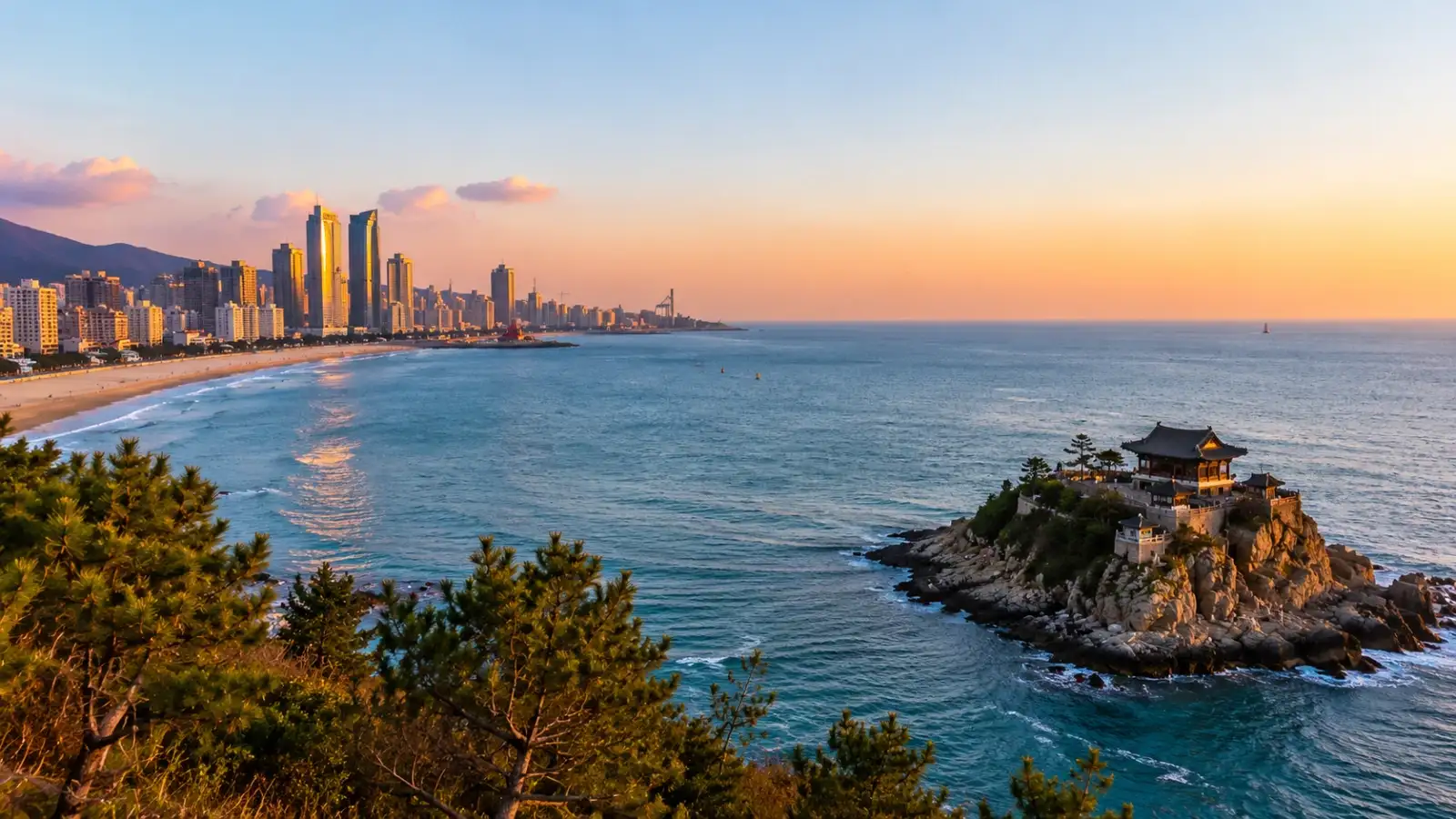
From volcanic landscapes and quiet beaches to historic villages and mountain trails, travelling beyond Seoul can reveal a slower and more varied side of the country. You can explore traditional architecture in one place and find lively coastal towns or dramatic natural scenery in another.
If you are planning a South Korea trip, consider adding a few destinations outside the capital to your itinerary. Here are 10 things to do that can make your journey more memorable.
Spend time at Haeundae Beach, walk along the coast or visit Gwangalli Beach for views of the illuminated bridge after sunset.
You can also explore Jagalchi Market, one of the country's famous seafood markets, and try freshly prepared local dishes.
Busan has a different atmosphere from Seoul, making it an excellent choice for travellers looking for a coastal experience.
One of the highlights is Hallasan, South Korea's highest mountain. Depending on your fitness level and the season, you can explore trails around the mountain or simply enjoy the surrounding scenery.
Jeju is also famous for its unusual volcanic landscapes and coastal walking routes. Renting a car can make it easier to explore different parts of the island at your own pace.
Visit Bulguksa Temple, explore ancient burial mounds and walk through areas where remnants of the Silla period can still be seen.
Gyeongju also has a relaxed atmosphere compared with larger Korean cities. Exploring its historic streets by bicycle can be a pleasant way to experience the destination.
For travellers interested in Korean culture and history, this city deserves a place on the itinerary.
The best way to experience the village is on foot. Wander through its winding streets, stop at small cafés and look for viewpoints overlooking the colourful buildings.
It is a good place to slow down and explore rather than simply rushing between major attractions.
The park features rocky peaks, forests, streams and walking trails suitable for different levels of fitness. Autumn is particularly popular because the surrounding trees develop vibrant colours.
You do not have to complete a difficult mountain hike to enjoy the scenery. Several shorter routes offer beautiful views for visitors who prefer a more relaxed walk.
For nature travel in South Korea, Seoraksan offers a welcome break from busy city streets.
The Jeonju Hanok Village is a popular place to walk through narrow streets lined with traditional buildings. You can also try local specialities, visit small craft shops and experience elements of traditional Korean culture.
Food lovers should make time for bibimbap, a dish strongly associated with Jeonju. Trying it in the city where it has become a culinary symbol adds another layer to the experience.
It is an ideal stop if you want to combine Korean food and culture in one destination.
Anmok Beach is particularly popular for its coffee culture, with cafés overlooking the sea. You can spend a morning walking along the shore before stopping for coffee and a local snack.
The city is also known for its connection to traditional Korean culture, with historic houses and cultural sites providing a contrast to the modern café scene.
Gangneung is a good option if you want a quieter coastal break during your South Korea holiday.
Take a cable car for views across the coastline or walk around the harbour in the evening. The city's illuminated waterfront can be particularly atmospheric after dark.
Seafood is another reason to visit, with restaurants serving a variety of dishes inspired by the surrounding waters.
Yeosu can be a rewarding stop for travellers who want to experience a less frequently discussed side of South Korea.
The village is surrounded by natural scenery, making the visit about more than architecture alone.
Andong is also associated with traditional performances and local food. It is a useful destination for travellers who want to learn more about Korean heritage beyond the major cities.
The city sits close to Seoraksan National Park, so you can combine a mountain trip with time beside the sea.
Explore the local markets, try fresh seafood and take a walk along the beach. Sokcho's location makes it particularly convenient for travellers who want to experience both South Korean beaches and mountain scenery during the same trip.
Outside Seoul, you can find ancient cities, volcanic islands, mountain parks, fishing communities and traditional villages. The pace can also feel different, particularly in smaller destinations where daily life is less dominated by the rhythm of a huge metropolitan city.
Travelling around the country also gives you more opportunities to discover regional food. Korean cuisine changes from one area to another, so trying local dishes can become an important part of the journey.
If you enjoy beaches and seafood, consider Busan, Yeosu, Gangneung or Sokcho. For history and traditional culture, Gyeongju, Jeonju and Andong are excellent choices. Nature lovers can focus on Jeju Island and Seoraksan National Park.
South Korea has an efficient transport network, including high-speed trains connecting several major cities. Planning a route that groups nearby destinations can help you spend less time travelling and more time exploring.
Whether you are tasting bibimbap in Jeonju, hiking through Seoraksan, exploring Gyeongju's historic sites or watching the sunset beside the sea in Busan, each destination offers something different.
So, when planning your next South Korea travel itinerary, leave some space beyond Seoul. The journey outside the capital may turn out to be one of the most rewarding parts of your trip.
From volcanic landscapes and quiet beaches to historic villages and mountain trails, travelling beyond Seoul can reveal a slower and more varied side of the country. You can explore traditional architecture in one place and find lively coastal towns or dramatic natural scenery in another.
If you are planning a South Korea trip, consider adding a few destinations outside the capital to your itinerary. Here are 10 things to do that can make your journey more memorable.
1. Explore the Beaches of Busan
Busan is one of the best places to visit in South Korea if you want to combine city life with the sea. Located on the southeastern coast, the city is known for its beaches, seafood markets, temples and colourful neighbourhoods.Spend time at Haeundae Beach, walk along the coast or visit Gwangalli Beach for views of the illuminated bridge after sunset.
You can also explore Jagalchi Market, one of the country's famous seafood markets, and try freshly prepared local dishes.
Busan has a different atmosphere from Seoul, making it an excellent choice for travellers looking for a coastal experience.
2. Walk Through Jeju Island's Volcanic Landscape
Jeju Island is one of the country's most distinctive destinations. Formed by volcanic activity, the island is known for dramatic coastlines, lava formations, waterfalls and green countryside.One of the highlights is Hallasan, South Korea's highest mountain. Depending on your fitness level and the season, you can explore trails around the mountain or simply enjoy the surrounding scenery.
Jeju is also famous for its unusual volcanic landscapes and coastal walking routes. Renting a car can make it easier to explore different parts of the island at your own pace.
3. Step Into History in Gyeongju
Gyeongju is a fascinating destination for anyone interested in Korean history. Once the capital of the ancient Silla Kingdom, the city is filled with historic sites and archaeological treasures.Visit Bulguksa Temple, explore ancient burial mounds and walk through areas where remnants of the Silla period can still be seen.
Gyeongju also has a relaxed atmosphere compared with larger Korean cities. Exploring its historic streets by bicycle can be a pleasant way to experience the destination.
For travellers interested in Korean culture and history, this city deserves a place on the itinerary.
4. Visit the Colourful Village of Gamcheon
Gamcheon Culture Village is one of Busan's most recognisable neighbourhoods. Built across a hillside, it is known for brightly painted houses, narrow lanes, murals and small creative spaces.The best way to experience the village is on foot. Wander through its winding streets, stop at small cafés and look for viewpoints overlooking the colourful buildings.
It is a good place to slow down and explore rather than simply rushing between major attractions.
5. Hike in Seoraksan National Park
Seoraksan National Park is a wonderful choice for travellers who enjoy mountains and outdoor activities.The park features rocky peaks, forests, streams and walking trails suitable for different levels of fitness. Autumn is particularly popular because the surrounding trees develop vibrant colours.
You do not have to complete a difficult mountain hike to enjoy the scenery. Several shorter routes offer beautiful views for visitors who prefer a more relaxed walk.
For nature travel in South Korea, Seoraksan offers a welcome break from busy city streets.
6. Experience Traditional Life in Jeonju
Jeonju is best known for its traditional hanok houses and food culture.The Jeonju Hanok Village is a popular place to walk through narrow streets lined with traditional buildings. You can also try local specialities, visit small craft shops and experience elements of traditional Korean culture.
Food lovers should make time for bibimbap, a dish strongly associated with Jeonju. Trying it in the city where it has become a culinary symbol adds another layer to the experience.
It is an ideal stop if you want to combine Korean food and culture in one destination.
7. Take a Slow Trip to Gangneung
Gangneung sits along South Korea's east coast and is known for beaches, cafés and a relaxed atmosphere.Anmok Beach is particularly popular for its coffee culture, with cafés overlooking the sea. You can spend a morning walking along the shore before stopping for coffee and a local snack.
The city is also known for its connection to traditional Korean culture, with historic houses and cultural sites providing a contrast to the modern café scene.
Gangneung is a good option if you want a quieter coastal break during your South Korea holiday.
8. See the Coastal Scenery of Yeosu
Yeosu is a coastal city in the south known for its sea views, islands and waterfront attractions.Take a cable car for views across the coastline or walk around the harbour in the evening. The city's illuminated waterfront can be particularly atmospheric after dark.
Seafood is another reason to visit, with restaurants serving a variety of dishes inspired by the surrounding waters.
Yeosu can be a rewarding stop for travellers who want to experience a less frequently discussed side of South Korea.
9. Discover Andong's Traditional Culture
Andong is known for its traditional culture and historic architecture. One of its best-known attractions is Hahoe Folk Village, where traditional houses and old customs offer a glimpse into Korea's past.The village is surrounded by natural scenery, making the visit about more than architecture alone.
Andong is also associated with traditional performances and local food. It is a useful destination for travellers who want to learn more about Korean heritage beyond the major cities.
10. Relax on the Beaches of Sokcho
Sokcho is another excellent destination for combining the coast with nature.The city sits close to Seoraksan National Park, so you can combine a mountain trip with time beside the sea.
Explore the local markets, try fresh seafood and take a walk along the beach. Sokcho's location makes it particularly convenient for travellers who want to experience both South Korean beaches and mountain scenery during the same trip.
You may also like
- Meet Gulabo Sapera: She was buried alive as a baby for being a girl child, later became the Padma Shri-winning queen of Kalbelia dance after learning from the flexibility of snakes, and now runs dance schools for girls across India and Denmark
- 7 Hardy vegetables to plant in September for a bountiful winter harvest: Easy crops that quickly fill gaps in your garden
- Why Did Dharma Take Birth Twice in the Mahabharata?
- “Civic sense died here…”; Gujarati tourists sing and clap loudly on a bus in Germany, leaving fellow passengers visibly uncomfortable
- Following this RBI decision, banks immediately lowered FCNR interest rates; check the new rates..
Why Travel Beyond Seoul?
Seoul offers an enormous amount to see and do, but staying only in the capital can mean missing some of the country's most distinctive landscapes and cultural experiences.Outside Seoul, you can find ancient cities, volcanic islands, mountain parks, fishing communities and traditional villages. The pace can also feel different, particularly in smaller destinations where daily life is less dominated by the rhythm of a huge metropolitan city.
Travelling around the country also gives you more opportunities to discover regional food. Korean cuisine changes from one area to another, so trying local dishes can become an important part of the journey.
How to Plan a Trip Beyond Seoul
You do not need to visit all 10 destinations in one holiday. Instead, choose places based on what interests you most.If you enjoy beaches and seafood, consider Busan, Yeosu, Gangneung or Sokcho. For history and traditional culture, Gyeongju, Jeonju and Andong are excellent choices. Nature lovers can focus on Jeju Island and Seoraksan National Park.
South Korea has an efficient transport network, including high-speed trains connecting several major cities. Planning a route that groups nearby destinations can help you spend less time travelling and more time exploring.
See a Different Side of South Korea
South Korea is much more than its capital. Once you travel beyond Seoul, the country opens up into a mix of ancient history, dramatic mountains, volcanic landscapes, traditional villages and beautiful coastlines.Whether you are tasting bibimbap in Jeonju, hiking through Seoraksan, exploring Gyeongju's historic sites or watching the sunset beside the sea in Busan, each destination offers something different.
So, when planning your next South Korea travel itinerary, leave some space beyond Seoul. The journey outside the capital may turn out to be one of the most rewarding parts of your trip.






Loving Newspoint? Download the app now
