
10 Northeast Indian Foods Every Curious Food Traveller Should Try

Northeast India is one of those parts of the country where food can feel like a journey in itself. The region is home to diverse communities, landscapes and culinary traditions, and each state has its own ingredients, cooking methods and flavours. While dishes such as momos and bamboo shoot preparations have become more familiar across India, many local foods remain less widely known.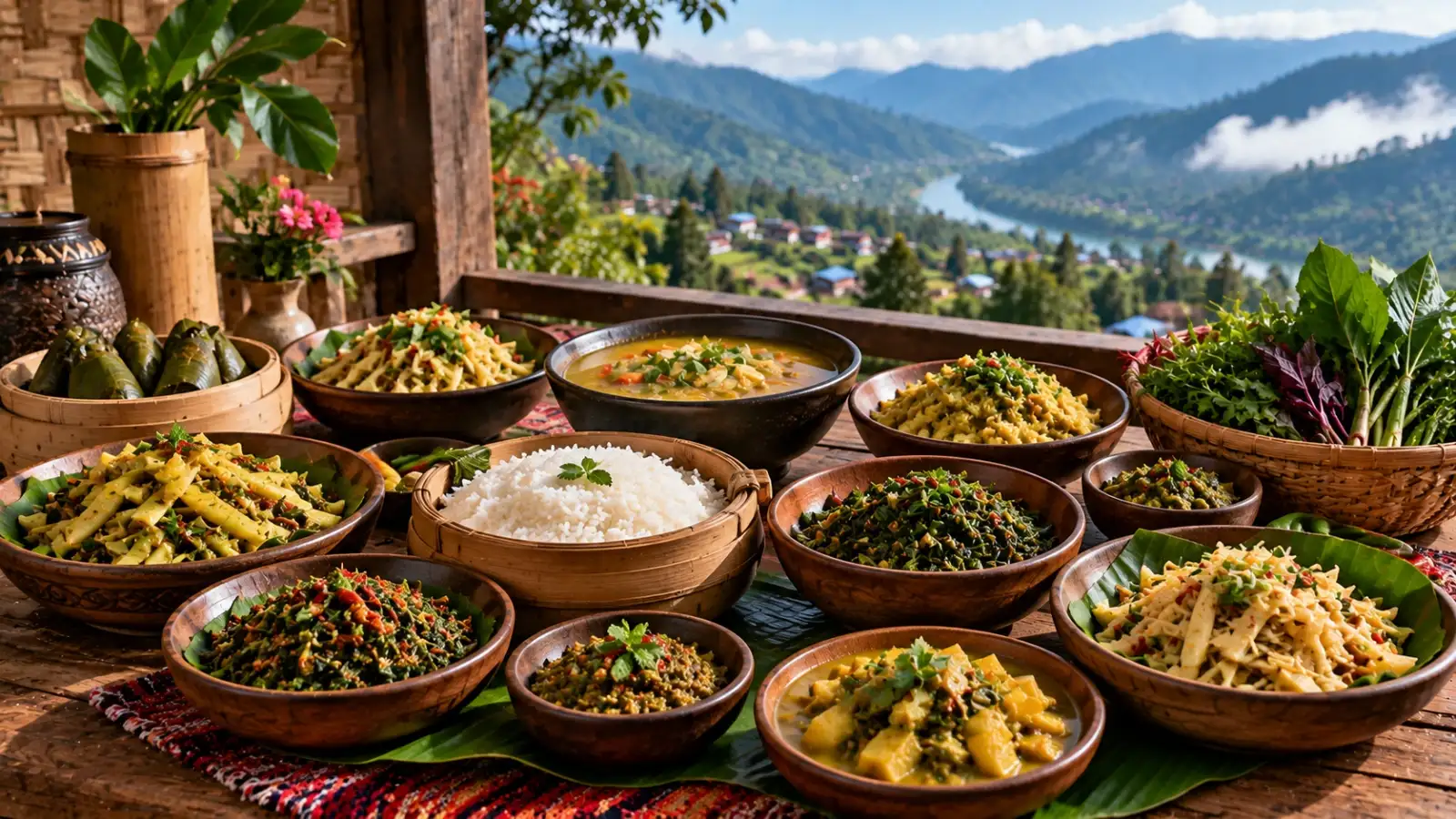
For a food lover, this makes the Northeast particularly exciting. Meals here often depend on seasonal produce, fermented ingredients, fresh herbs, rice, fish, meat and locally available vegetables. Many recipes are uncomplicated, yet their flavours can be surprisingly deep. From smoky meats to tangy chutneys and fragrant rice dishes, the region offers plenty to discover.
Different communities prepare pork in their own ways, so there is no single recipe that represents the entire state. For travellers, trying a local pork preparation can offer a much better understanding of Nagaland's food culture than simply ordering a familiar restaurant dish.
For someone unfamiliar with fermented foods, axone can be an intense first experience. However, it is precisely this bold character that makes it interesting. It demonstrates how fermentation can turn a simple ingredient into something much more complex.
In Assamese cooking, bamboo shoot is often combined with ingredients that allow its natural flavour to stand out rather than covering it with heavy spices. It is a good example of the region's preference for balanced cooking where the main ingredient remains recognisable.
Unlike rich gravies that rely on layers of spices, masor tenga is lighter and more refreshing. It is particularly interesting for travellers who want to experience an Assamese meal that highlights the natural taste of fish while adding a gentle tang.
The result can be spicy, pungent and deeply savoury. Eromba also demonstrates an important feature of Manipuri food, where relatively simple ingredients can create powerful flavours when they are combined using traditional techniques.
The smoky taste gives these dishes a character that is quite different from fried or curried fish. For food travellers, trying smoked fish with locally prepared vegetables can be a memorable way to explore the everyday side of Manipuri cuisine.
What makes jadoh appealing is its simplicity. It does not need an elaborate presentation to stand out. Instead, the combination of rice, meat and carefully selected seasonings creates a comforting dish that reflects the importance of rice in the region's food culture.
It is commonly cooked with other ingredients to create a substantial dish. For curious travellers, tungrymbai is worth trying because it shows how fermentation is not merely a preservation technique but also an important source of flavour.
The use of bamboo shoot gives it a flavour that immediately connects it with the wider culinary traditions of Northeast India. It is a good example of how one regional ingredient can appear in very different dishes across the Northeast.
It is traditionally enjoyed as a comforting food and can be paired with savoury accompaniments. Zan may not have the dramatic appearance of some restaurant dishes, but its simplicity reflects the everyday relationship between local ingredients, climate and traditional cooking.
Fermented soybean, bamboo shoot and fish are particularly important in several regional cuisines. These ingredients may initially seem unusual to visitors, but they reveal how local communities have created complex flavours from ingredients available around them.
Smoking also adds another layer to the region's food identity. Meat and fish can develop deep aromas through slow exposure to smoke, creating dishes that taste very different from conventional grilled or fried preparations.
For travellers, the best approach is to stay curious. Try local meals, ask about unfamiliar ingredients and explore smaller eateries where traditional dishes are still part of everyday cooking. Some flavours may be instantly familiar, while others may take time to appreciate.
The real attraction lies in that variety. Northeast India offers food that is smoky, sour, fermented, spicy, earthy, fresh and comforting, often within the same meal. For anyone who believes that the best way to understand a destination is through its food, this part of India offers an extraordinary culinary journey.
For a food lover, this makes the Northeast particularly exciting. Meals here often depend on seasonal produce, fermented ingredients, fresh herbs, rice, fish, meat and locally available vegetables. Many recipes are uncomplicated, yet their flavours can be surprisingly deep. From smoky meats to tangy chutneys and fragrant rice dishes, the region offers plenty to discover.
1. Smoked Pork From Nagaland
Nagaland is well known for its love of pork, and smoking is one of the traditional methods used to preserve and flavour meat. Smoked pork can have a strong aroma and a rich, slightly earthy taste that develops further when cooked with local vegetables, chillies or fermented ingredients.Different communities prepare pork in their own ways, so there is no single recipe that represents the entire state. For travellers, trying a local pork preparation can offer a much better understanding of Nagaland's food culture than simply ordering a familiar restaurant dish.
2. Axone From Nagaland
Axone, also known as akhuni, is a fermented soybean preparation particularly associated with Naga cuisine. It is valued for its powerful aroma and savoury flavour and is often used in meat dishes, chutneys and other preparations.For someone unfamiliar with fermented foods, axone can be an intense first experience. However, it is precisely this bold character that makes it interesting. It demonstrates how fermentation can turn a simple ingredient into something much more complex.
3. Bamboo Shoot Dishes From Assam
Bamboo shoots are an important ingredient in several cuisines across Northeast India, including Assam. Fresh or fermented bamboo shoots can add a distinctive sour and earthy note to curries, fish preparations and vegetable dishes.In Assamese cooking, bamboo shoot is often combined with ingredients that allow its natural flavour to stand out rather than covering it with heavy spices. It is a good example of the region's preference for balanced cooking where the main ingredient remains recognisable.
4. Masor Tenga From Assam
Masor tenga is one of Assam's best-known traditional fish dishes. The word tenga refers to a sour flavour, and the dish gets its refreshing character from ingredients such as tomatoes, lemon or other souring agents depending on the recipe.Unlike rich gravies that rely on layers of spices, masor tenga is lighter and more refreshing. It is particularly interesting for travellers who want to experience an Assamese meal that highlights the natural taste of fish while adding a gentle tang.
5. Eromba From Manipur
Manipur has a fascinating culinary tradition built around vegetables, fish, herbs and chillies. Eromba is one of the dishes that showcases this combination particularly well. It commonly involves mashed vegetables mixed with fermented fish and chillies.The result can be spicy, pungent and deeply savoury. Eromba also demonstrates an important feature of Manipuri food, where relatively simple ingredients can create powerful flavours when they are combined using traditional techniques.
6. Smoked Fish From Manipur
Fish is an important part of many Manipuri meals, and smoking provides both preservation and flavour. Smoked fish can be incorporated into vegetable dishes, chutneys and other preparations.The smoky taste gives these dishes a character that is quite different from fried or curried fish. For food travellers, trying smoked fish with locally prepared vegetables can be a memorable way to explore the everyday side of Manipuri cuisine.
7. Jadoh From Meghalaya
Jadoh is a traditional rice and meat dish associated with Meghalaya, particularly with Khasi cuisine. Rice is cooked with meat and seasoning to create a hearty meal that is both filling and aromatic.What makes jadoh appealing is its simplicity. It does not need an elaborate presentation to stand out. Instead, the combination of rice, meat and carefully selected seasonings creates a comforting dish that reflects the importance of rice in the region's food culture.
8. Tungrymbai From Meghalaya
Tungrymbai is another fermented soybean preparation found in Meghalaya. Like other fermented foods from Northeast India, it has a distinctive aroma and a savoury depth that can take some getting used to.It is commonly cooked with other ingredients to create a substantial dish. For curious travellers, tungrymbai is worth trying because it shows how fermentation is not merely a preservation technique but also an important source of flavour.
9. Chikhvi From Tripura
Tripura's food traditions are influenced by the state's indigenous communities as well as neighbouring culinary cultures. Chikhvi is a traditional preparation that combines bamboo shoot with ingredients such as pork, creating a dish with smoky, earthy and mildly sour notes.The use of bamboo shoot gives it a flavour that immediately connects it with the wider culinary traditions of Northeast India. It is a good example of how one regional ingredient can appear in very different dishes across the Northeast.
10. Zan From Arunachal Pradesh
Arunachal Pradesh has an enormous variety of food traditions because of its many indigenous communities. Zan is a simple porridge-like preparation associated with the Monpa community and is often made using millet or other grains.It is traditionally enjoyed as a comforting food and can be paired with savoury accompaniments. Zan may not have the dramatic appearance of some restaurant dishes, but its simplicity reflects the everyday relationship between local ingredients, climate and traditional cooking.
The Magic of Fermentation and Smoking
One of the most fascinating aspects of Northeast Indian cuisine is the use of traditional preservation techniques . Fermentation, smoking and drying have long helped communities make food last longer while also developing distinctive flavours.Fermented soybean, bamboo shoot and fish are particularly important in several regional cuisines. These ingredients may initially seem unusual to visitors, but they reveal how local communities have created complex flavours from ingredients available around them.
Smoking also adds another layer to the region's food identity. Meat and fish can develop deep aromas through slow exposure to smoke, creating dishes that taste very different from conventional grilled or fried preparations.
Why Northeast India Deserves a Place on Every Food Traveller's List
Northeast Indian cuisine is not one single food culture. It is a collection of traditions shaped by geography, communities, climate and local ingredients. A dish enjoyed in Nagaland can be completely different from one found in Assam, Meghalaya, Manipur, Tripura or Arunachal Pradesh.For travellers, the best approach is to stay curious. Try local meals, ask about unfamiliar ingredients and explore smaller eateries where traditional dishes are still part of everyday cooking. Some flavours may be instantly familiar, while others may take time to appreciate.
The real attraction lies in that variety. Northeast India offers food that is smoky, sour, fermented, spicy, earthy, fresh and comforting, often within the same meal. For anyone who believes that the best way to understand a destination is through its food, this part of India offers an extraordinary culinary journey.
Next Story