
10 Traditional Dishes That Taste Better When Eaten by Hand

For many people, eating with a knife and fork is simply part of everyday life. But in many food cultures around the world, using your hands is not only accepted but an important part of the dining experience. The way food is picked up, shaped and shared can be connected to tradition, hospitality and even the social experience of a meal.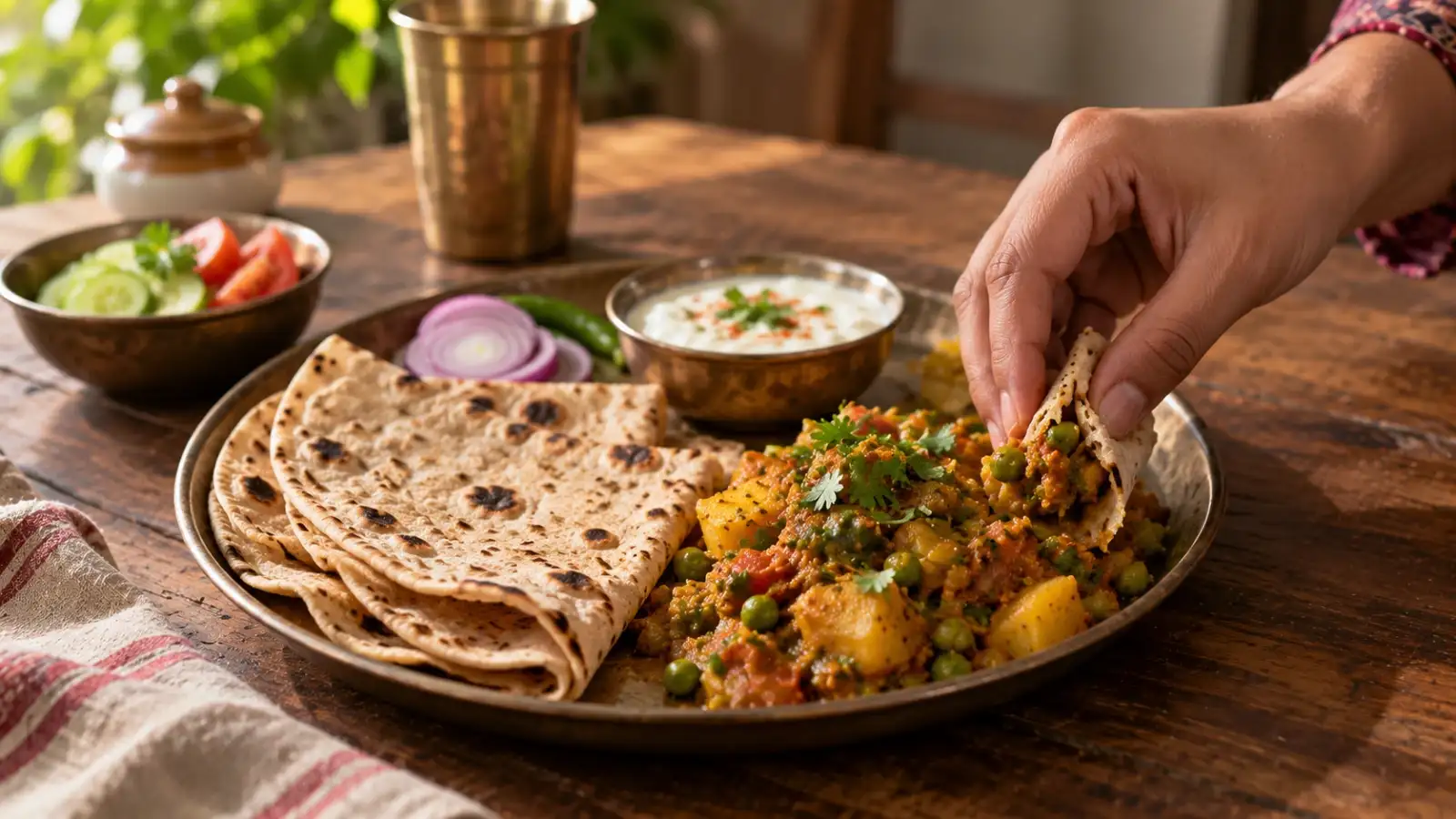
From Indian flatbreads used to scoop up curries to Ethiopian injera that doubles as both food and utensil, these dishes are designed around hands rather than cutlery. Some are wrapped, rolled or folded, while others are meant to be shared from a common plate.
If you enjoy discovering traditional foods and different ways of eating, these ten dishes offer a fascinating look at global food culture.
The technique takes a little practice. Usually, only the fingers of the right hand are used, with the bread folded around the food before being brought to the mouth.
Beyond practicality, eating by hand can make a meal feel more interactive. It allows diners to combine different flavours and textures with every bite.
The bread itself becomes part of every bite, creating a combination of textures and flavours.
Meals are often shared from a large communal plate, making injera particularly social. Eating together in this way is an important part of the experience and makes the food feel connected to hospitality and community.
The beauty of tacos is their flexibility. Different regions of Mexico have their own styles, fillings and toppings, from simple preparations to more elaborate combinations.
Keeping the taco intact can sometimes be a challenge, particularly when it is generously filled. But that slightly messy experience is part of their charm.
The bread acts as a wrapper, allowing everything to be held together and eaten without cutlery.
The combination of crunchy falafel, soft bread, fresh vegetables and creamy sauces creates plenty of texture. It is a good example of how traditional street food often develops around convenient ways of eating.
Their compact shape makes them easy to carry and eat without utensils. They have long been associated with packed meals, picnics and travel.
The simplicity of onigiri is part of their appeal. A handful of rice and a small filling can become a portable meal that is both practical and satisfying.
The bread around the edge can be torn off and dipped into the rich centre. This makes the dish naturally suited to eating by hand and sharing.
The combination of warm bread and melted cheese is comforting, but the traditional way of eating it also adds to the experience. Rather than carefully cutting the dish into neat portions, diners can pull pieces apart as they eat.
It is traditionally served on skewers or with simple accompaniments, making it convenient to eat by hand.
The smoky flavour from the grill combines with the heat of the spice mixture. Suya is often enjoyed as a casual food, making it a good example of how street food can bring people together.
The flatbread can be torn into pieces and eaten by hand, either on its own or alongside vegetables and other dishes.
Za'atar manakish is particularly popular, with the aromatic herb and spice mixture providing a distinctive flavour. It can be enjoyed for breakfast, as a snack or as part of a larger meal.
The format makes it naturally suited to eating with your hands. It is often associated with outdoor gatherings and braais, where food is cooked and shared socially.
The combination of grilled sausage, soft bread and a spicy or tangy topping creates a filling meal without the need for plates of complicated accompaniments.
The skewers make the meat easy to pick up and eat. Peanut sauce is often served alongside, adding a creamy and savoury contrast to the smoky grilled meat.
Satay is also a good example of how food designed for convenience can become an important part of a country's culinary identity.
Hand-eaten foods often encourage sharing too. A large platter of injera, a basket of tacos or a plate of flatbreads can become the centre of a meal where everyone helps themselves.
There can also be a practical reason behind the tradition. Flatbreads, skewers, rice balls and wraps are naturally easy to hold, making them suitable for street food, travel and communal dining.
Of course, customs vary between countries, regions and families, so visitors should always observe local etiquette. In some cultures, washing your hands before a meal is particularly important, while certain foods may traditionally be eaten using only one hand.
The next time you encounter one of these dishes, consider putting the cutlery aside and experiencing it in the traditional way where appropriate. You may find that eating with your hands makes the meal feel more connected, social and memorable.
From Indian flatbreads used to scoop up curries to Ethiopian injera that doubles as both food and utensil, these dishes are designed around hands rather than cutlery. Some are wrapped, rolled or folded, while others are meant to be shared from a common plate.
If you enjoy discovering traditional foods and different ways of eating, these ten dishes offer a fascinating look at global food culture.
1. Indian Roti and Curry: A Classic Combination
Across India, many meals are traditionally eaten by hand, particularly when roti, chapati or other flatbreads are served with curry. The bread is torn into small pieces and used to pick up vegetables, lentils or meat.The technique takes a little practice. Usually, only the fingers of the right hand are used, with the bread folded around the food before being brought to the mouth.
Beyond practicality, eating by hand can make a meal feel more interactive. It allows diners to combine different flavours and textures with every bite.
2. Ethiopian Injera: Food and Utensil Together
Injera is a sour, spongy flatbread that plays a central role in Ethiopian cuisine. Various stews, vegetables and meat dishes are placed on top of the bread, which is then torn into pieces and used to scoop up the food.The bread itself becomes part of every bite, creating a combination of textures and flavours.
Meals are often shared from a large communal plate, making injera particularly social. Eating together in this way is an important part of the experience and makes the food feel connected to hospitality and community.
3. Mexican Tacos: A Meal Built for Your Hands
Tacos are perhaps one of the world's most recognisable hand-held foods. A tortilla is filled with ingredients such as meat, beans, vegetables, cheese and salsa before being folded and eaten by hand.The beauty of tacos is their flexibility. Different regions of Mexico have their own styles, fillings and toppings, from simple preparations to more elaborate combinations.
Keeping the taco intact can sometimes be a challenge, particularly when it is generously filled. But that slightly messy experience is part of their charm.
4. Middle Eastern Falafel Wraps: Crispy and Convenient
Falafel is made from ground chickpeas or fava beans mixed with herbs and spices before being shaped and cooked. The crisp balls are commonly placed inside flatbread with vegetables, pickles and sauces.The bread acts as a wrapper, allowing everything to be held together and eaten without cutlery.
The combination of crunchy falafel, soft bread, fresh vegetables and creamy sauces creates plenty of texture. It is a good example of how traditional street food often develops around convenient ways of eating.
5. Japanese Onigiri: Rice You Can Hold
Onigiri are Japanese rice balls traditionally shaped by hand and often wrapped in nori. They can contain fillings such as salted salmon, pickled plum or other seasoned ingredients.Their compact shape makes them easy to carry and eat without utensils. They have long been associated with packed meals, picnics and travel.
The simplicity of onigiri is part of their appeal. A handful of rice and a small filling can become a portable meal that is both practical and satisfying.
6. Georgian Khachapuri: Tear, Dip and Share
Khachapuri is a Georgian cheese-filled bread with several regional varieties. Some versions are shaped like boats and filled with melted cheese, egg and butter.The bread around the edge can be torn off and dipped into the rich centre. This makes the dish naturally suited to eating by hand and sharing.
The combination of warm bread and melted cheese is comforting, but the traditional way of eating it also adds to the experience. Rather than carefully cutting the dish into neat portions, diners can pull pieces apart as they eat.
7. Nigerian Suya: Spiced Meat on Skewers
Suya is a popular West African street food made from thinly sliced meat coated in a spicy peanut-based seasoning before being grilled.It is traditionally served on skewers or with simple accompaniments, making it convenient to eat by hand.
The smoky flavour from the grill combines with the heat of the spice mixture. Suya is often enjoyed as a casual food, making it a good example of how street food can bring people together.
8. Lebanese Manakish: Flatbread for Sharing
Manakish is a Lebanese flatbread traditionally topped with ingredients such as za'atar, cheese or minced meat. It is baked until the bread becomes warm and slightly crisp around the edges.The flatbread can be torn into pieces and eaten by hand, either on its own or alongside vegetables and other dishes.
Za'atar manakish is particularly popular, with the aromatic herb and spice mixture providing a distinctive flavour. It can be enjoyed for breakfast, as a snack or as part of a larger meal.
9. South African Boerewors Rolls: A Street Food Favourite
Boerewors is a traditional South African sausage made with seasoned meat and is commonly served in a roll with sauce or relish.The format makes it naturally suited to eating with your hands. It is often associated with outdoor gatherings and braais, where food is cooked and shared socially.
You may also like
- Quote of the day for children: Cristiano Ronaldo's powerful lesson on why talent means nothing without hard work and dedication, says, 'Talent without hardwork is nothing'
- In 2012, George Clooney co-founded the Satellite Sentinel Project, using satellite imagery to monitor human rights abuses and conflict in Sudan
- Meet Suneel Lodhi: The blind 25-year-old Bundelkhand singer who went from singing in local trains to 'Maine Tere Hi Bharose' in the superhit Hanuman Ansh
- Python found in a car in Dahisar, Mumbai: Common places snakes hide in cars, why they get inside and what you must check before starting the engine
- DIY: Stop throwing away dryer lint; 7 surprising ways to put it to good use at home
The combination of grilled sausage, soft bread and a spicy or tangy topping creates a filling meal without the need for plates of complicated accompaniments.
10. Indonesian Satay: Grilled Food on Skewers
Satay consists of seasoned pieces of meat grilled on skewers and served with sauces and accompaniments. It is strongly associated with Indonesian cuisine and has become popular across Southeast Asia.The skewers make the meat easy to pick up and eat. Peanut sauce is often served alongside, adding a creamy and savoury contrast to the smoky grilled meat.
Satay is also a good example of how food designed for convenience can become an important part of a country's culinary identity.
Why Eating With Your Hands Matters
Eating with your hands is not simply about convenience. In many cultures, it is connected to tradition, family meals and hospitality. It can also change how you experience food because you become more involved in assembling each bite.Hand-eaten foods often encourage sharing too. A large platter of injera, a basket of tacos or a plate of flatbreads can become the centre of a meal where everyone helps themselves.
There can also be a practical reason behind the tradition. Flatbreads, skewers, rice balls and wraps are naturally easy to hold, making them suitable for street food, travel and communal dining.
Of course, customs vary between countries, regions and families, so visitors should always observe local etiquette. In some cultures, washing your hands before a meal is particularly important, while certain foods may traditionally be eaten using only one hand.
The next time you encounter one of these dishes, consider putting the cutlery aside and experiencing it in the traditional way where appropriate. You may find that eating with your hands makes the meal feel more connected, social and memorable.






Loving Newspoint? Download the app now
