
10 Places Where You Can Experience a Traditional Bathing Culture

Bathing is often seen as a simple part of everyday life, but in many parts of the world it has a much deeper cultural meaning. Public baths, hot springs, steam rooms and communal bathing spaces have been used for centuries as places to relax, socialise and follow long-standing traditions.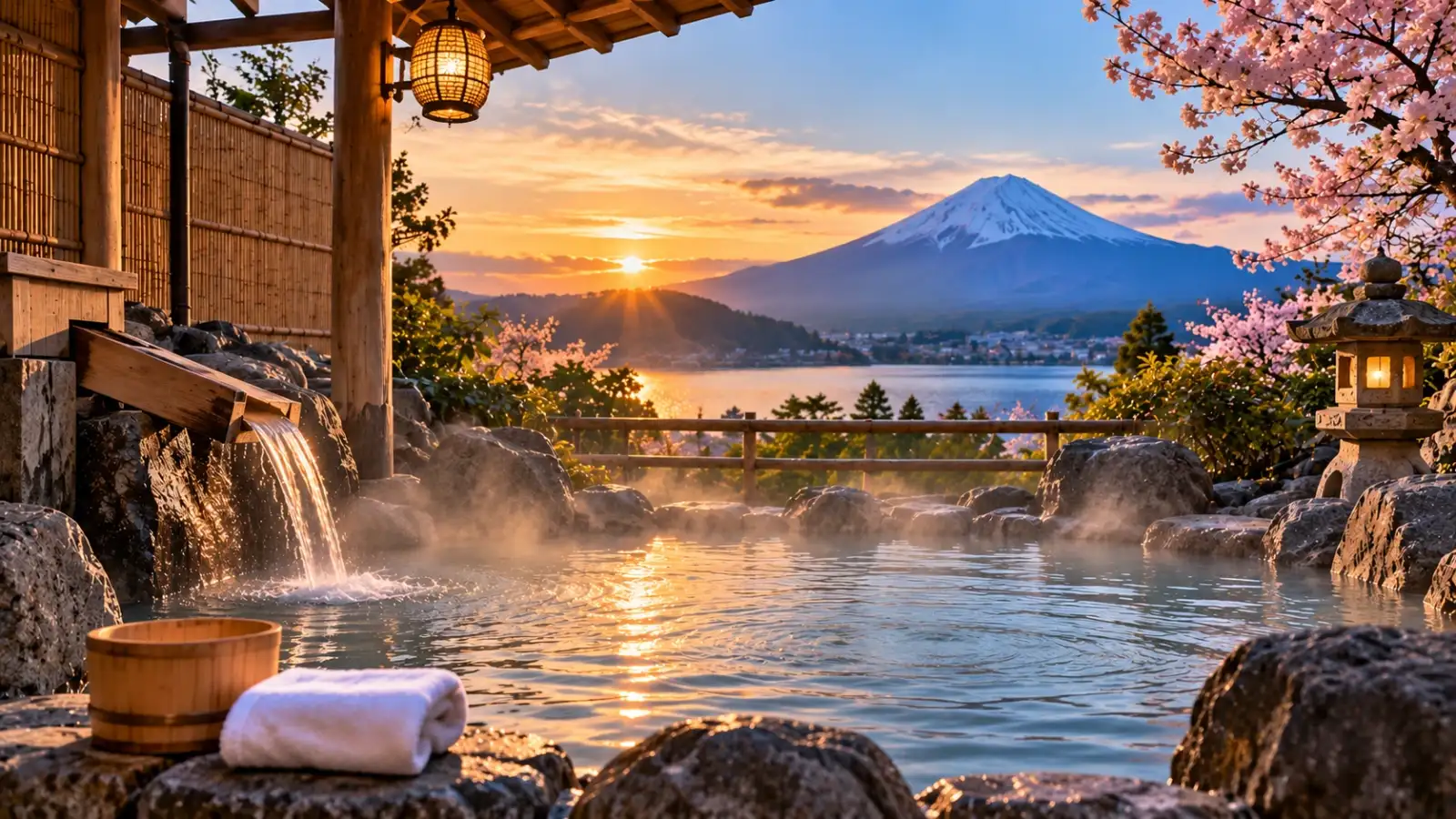
A traditional bathing culture can reveal a surprising amount about a destination. The architecture, bathing rituals, natural surroundings and even the way people prepare before entering the water can be closely connected to local history. For visitors, these experiences offer something very different from a modern hotel spa.
From Japanese hot springs and Turkish bathhouses to Finnish saunas and Moroccan hammams, here are 10 places where travellers can discover traditional bathing culture.
Bathing etiquette is an important part of the experience. Guests generally wash and rinse thoroughly before entering the communal baths, as the bathing water is intended for soaking rather than washing. Onsen can be found across Japan, from large traditional bathing towns to facilities in rural mountain areas.
A visit can involve moving through different temperature areas and spending time on a heated central stone known as a göbek taşı. Some historic hammams continue to welcome visitors today, allowing travellers to experience an important part of Turkish bathing culture.
The classic experience involves sitting in a hot room and taking breaks to cool down between sessions. Some traditional saunas are located beside lakes, allowing people to combine sauna bathing with a refreshing dip outdoors. Sauna culture is so important in Finland that it is closely associated with everyday wellbeing and social life.
People typically wash and relax in the warm environment, with traditional cleansing practices forming part of the experience. Travellers can find hammams in cities such as Marrakech and Fez, ranging from neighbourhood bathhouses to establishments designed specifically for visitors.
Visitors normally bathe separately by gender in the wet bathing areas, while some shared relaxation spaces are open to everyone. Jjimjilbangs can be particularly interesting because they combine traditional bathing habits with a modern social environment.
The architecture is an important part of the experience. Some baths feature ornate interiors, large pools and historic details that make a visit feel more like exploring a cultural landmark than simply going for a swim.
While modern geothermal lagoons are popular with tourists, local swimming pools can offer a more everyday experience. Many Icelandic pools have hot tubs and warm outdoor areas where people gather even when the surrounding weather is cold.
One distinctive feature is the use of a venik, a bundle of leafy branches that can be gently used against the body in the steam room. Traditional banyas can range from rustic countryside buildings to established urban bathhouses.
For visitors, it is important to remember that these are living religious traditions rather than tourist performances. Observing respectfully from an appropriate distance can provide insight into the cultural importance of bathing and rivers in Indian life.
Although the ancient bathing system is no longer part of everyday life, archaeological sites across Italy allow visitors to understand how important public baths once were. Places such as the Baths of Caracalla in Rome provide a remarkable glimpse into this history.
There is also a strong connection between bathing and local geography. Japan and Iceland make use of geothermal heat, Finland developed sauna traditions suited to its climate, while Hungary's thermal baths are linked to its natural hot springs.
For travellers, these experiences can also provide a slower way to explore a destination. Instead of rushing from one landmark to another, you spend time observing a local custom and understanding how people have used these spaces over generations.
It is also worth checking whether swimwear is permitted, whether tattoos are accepted and whether the facility is intended mainly for local residents or tourists. Following these simple rules makes the experience more comfortable for everyone.
Traditional bathing cultures offer a fascinating way to travel beyond famous monuments and popular attractions. Whether you are soaking in a Japanese onsen , sitting in a Finnish sauna or exploring a historic Turkish hammam, the experience can connect you with a destination's history and everyday life in a memorable way.
Disclaimer: Bathing customs, facility rules, opening hours, prices and local conditions can change. Please cross-check all details before visiting. NewsPoint will not be responsible for anything arising from the information provided in this article.
A traditional bathing culture can reveal a surprising amount about a destination. The architecture, bathing rituals, natural surroundings and even the way people prepare before entering the water can be closely connected to local history. For visitors, these experiences offer something very different from a modern hotel spa.
From Japanese hot springs and Turkish bathhouses to Finnish saunas and Moroccan hammams, here are 10 places where travellers can discover traditional bathing culture.
1. Japan: Experience an Onsen
Japan has one of the world's most recognisable bathing traditions. Onsen are natural hot spring bathing facilities where visitors soak in mineral-rich geothermal water.Bathing etiquette is an important part of the experience. Guests generally wash and rinse thoroughly before entering the communal baths, as the bathing water is intended for soaking rather than washing. Onsen can be found across Japan, from large traditional bathing towns to facilities in rural mountain areas.
2. Turkey: Visit a Traditional Hammam
The Turkish hammam has roots stretching back through the Ottoman period and earlier bathing traditions. Traditional bathhouses are designed around heated rooms where people can relax in a warm, humid environment.A visit can involve moving through different temperature areas and spending time on a heated central stone known as a göbek taşı. Some historic hammams continue to welcome visitors today, allowing travellers to experience an important part of Turkish bathing culture.
3. Finland: Discover Sauna Culture
Sauna is deeply connected with Finnish life and is much more than a place to get warm. Traditional Finnish saunas provide a quiet space for heat, relaxation and conversation.The classic experience involves sitting in a hot room and taking breaks to cool down between sessions. Some traditional saunas are located beside lakes, allowing people to combine sauna bathing with a refreshing dip outdoors. Sauna culture is so important in Finland that it is closely associated with everyday wellbeing and social life.
4. Morocco: Explore a Traditional Hammam
Hammams have long been important community spaces in Morocco. Traditional bathhouses are generally divided into rooms with different levels of heat, creating a gradual bathing experience.People typically wash and relax in the warm environment, with traditional cleansing practices forming part of the experience. Travellers can find hammams in cities such as Marrakech and Fez, ranging from neighbourhood bathhouses to establishments designed specifically for visitors.
5. South Korea: Experience a Jjimjilbang
South Korea has developed a distinctive modern bathing culture through jjimjilbangs, large bathhouse and relaxation complexes. These facilities can include hot baths, saunas and communal resting areas.Visitors normally bathe separately by gender in the wet bathing areas, while some shared relaxation spaces are open to everyone. Jjimjilbangs can be particularly interesting because they combine traditional bathing habits with a modern social environment.
6. Hungary: Soak in Historic Thermal Baths
Budapest is famous for its thermal bathing culture, which has developed through several historical influences. The city is home to grand bath complexes where visitors can soak in thermal water in both indoor and outdoor pools.The architecture is an important part of the experience. Some baths feature ornate interiors, large pools and historic details that make a visit feel more like exploring a cultural landmark than simply going for a swim.
7. Iceland: Enjoy Geothermal Bathing
Iceland's bathing traditions are closely connected to the country's geothermal landscape. Naturally heated pools have long provided places for people to relax, meet others and enjoy the outdoors.While modern geothermal lagoons are popular with tourists, local swimming pools can offer a more everyday experience. Many Icelandic pools have hot tubs and warm outdoor areas where people gather even when the surrounding weather is cold.
8. Russia: Discover the Banya Tradition
The Russian banya is a traditional steam bath that has played an important role in Russian culture for generations. A typical banya includes a hot steam room and areas for cooling down and washing.One distinctive feature is the use of a venik, a bundle of leafy branches that can be gently used against the body in the steam room. Traditional banyas can range from rustic countryside buildings to established urban bathhouses.
9. India: Explore Traditional Bathing Along the Ganges
Bathing in sacred rivers has a long history in India and carries religious and cultural significance for many Hindu communities. Along the Ganges, ghats in cities such as Varanasi provide spaces where people gather for rituals, prayer and bathing.For visitors, it is important to remember that these are living religious traditions rather than tourist performances. Observing respectfully from an appropriate distance can provide insight into the cultural importance of bathing and rivers in Indian life.
10. Rome, Italy: Discover the Legacy of Roman Baths
Ancient Rome developed a sophisticated public bathing culture in which large bath complexes served as places for washing, relaxation, exercise and social interaction. Roman baths could contain different rooms and pools maintained at varying temperatures.Although the ancient bathing system is no longer part of everyday life, archaeological sites across Italy allow visitors to understand how important public baths once were. Places such as the Baths of Caracalla in Rome provide a remarkable glimpse into this history.
Why Traditional Bathing Culture Is Worth Exploring
Traditional bathing experiences can reveal aspects of a society that ordinary sightseeing may not show. A bathhouse can be a social space, a place of quiet relaxation, a religious setting or an important part of community life.You may also like
- Gemmaxxing: Everyday objects made fun
- Eat One Pomegranate Every Day: Ayurvedic Expert Reveals 6 Amazing Health Benefits
- Surprising Link Between Gum Disease and Alzheimer's: New Scientific Research Reveals How Poor Oral Health
- Medical Miracle: Genetically Modified Pig Kidney Keeps Patient Dialysis-Free for 271 Days
- 9-5 fitcheck: Make your work fits wearable
There is also a strong connection between bathing and local geography. Japan and Iceland make use of geothermal heat, Finland developed sauna traditions suited to its climate, while Hungary's thermal baths are linked to its natural hot springs.
For travellers, these experiences can also provide a slower way to explore a destination. Instead of rushing from one landmark to another, you spend time observing a local custom and understanding how people have used these spaces over generations.
Respect Local Bathing Etiquette
Anyone planning to experience a traditional bathing culture should learn the local rules before entering. Some places require thorough washing before using communal water, while others have separate bathing areas or restrictions on photography.It is also worth checking whether swimwear is permitted, whether tattoos are accepted and whether the facility is intended mainly for local residents or tourists. Following these simple rules makes the experience more comfortable for everyone.
Traditional bathing cultures offer a fascinating way to travel beyond famous monuments and popular attractions. Whether you are soaking in a Japanese onsen , sitting in a Finnish sauna or exploring a historic Turkish hammam, the experience can connect you with a destination's history and everyday life in a memorable way.
Disclaimer: Bathing customs, facility rules, opening hours, prices and local conditions can change. Please cross-check all details before visiting. NewsPoint will not be responsible for anything arising from the information provided in this article.






Loving Newspoint? Download the app now
