
10 Beautiful Spring Festivals Around the World Worth Experiencing

Spring is often associated with new beginnings, warmer days, flowers and longer hours of daylight. Across different parts of the world, the changing season has inspired communities to create festivals filled with food, music, flowers, religious traditions and colourful public celebrations.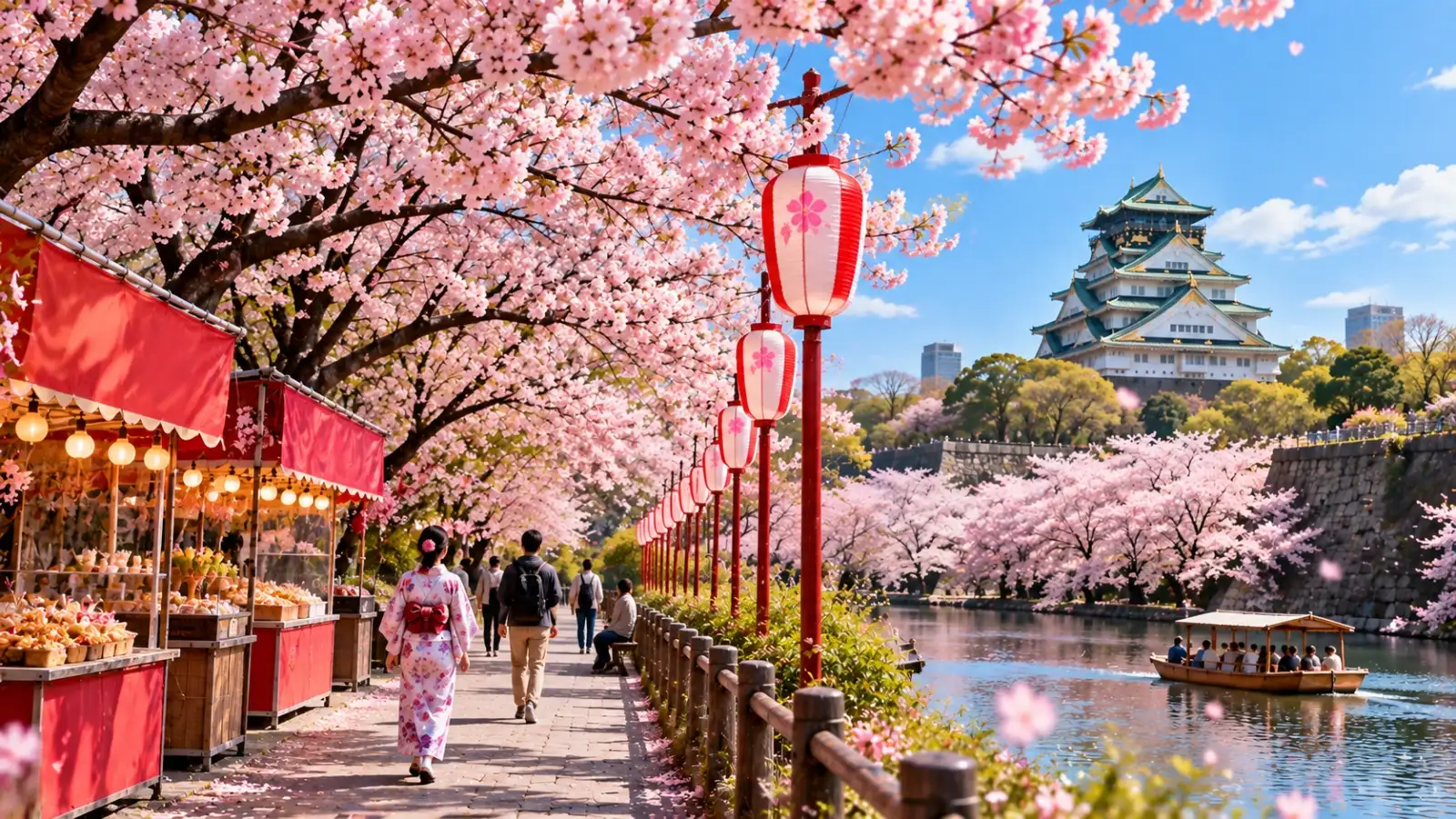
Although every culture welcomes spring differently, many of these festivals share a similar idea. They celebrate renewal, hope and the return of life after winter. Some are centuries old, while others have become modern cultural events that attract visitors from around the world. For travellers, they offer a chance to experience local traditions at a particularly lively time of year.
The celebration is connected with renewal and the beginning of a new year. Families often gather for special meals, clean their homes and take part in traditional customs. Public celebrations can include music, dancing and community events. Travelling during Nowruz can provide a fascinating introduction to cultures that share this ancient seasonal tradition.
Parks and gardens become popular meeting places during the season. Picnics, photography and evening walks beneath illuminated trees are common experiences. Cities such as Tokyo and Kyoto attract large numbers of visitors, but smaller towns can offer a quieter way to enjoy the arrival of spring.
The celebration has deep cultural and religious significance, and traditions vary between regions. Some places are particularly famous for their Holi celebrations, while smaller communities may offer a more intimate experience. Visitors should learn about local customs before participating and take practical precautions with clothing, belongings and personal space.
The festival has strong local roots and fills Valencia with processions, fireworks and community activities. Walking around the city allows visitors to see the enormous creations up close and experience how neighbourhood groups contribute to the event.
The event is connected with the historic tradition of marking the arrival of warmer weather. Guilds take part in processions through the city before the figure is burned. For visitors, it offers a glimpse into an unusual local tradition that combines history, community and the symbolic end of winter.
Water has symbolic meaning connected with cleansing and renewal. People may visit temples, make offerings and spend time with family, alongside the more playful public water activities. Cities such as Bangkok and Chiang Mai are popular places to experience Songkran, although celebrations differ between communities.
Emirgan Grove is among the well known places for seeing large tulip displays. Walking through the gardens provides an easy way to enjoy spring scenery while also exploring one of Türkiye's most fascinating cities.
The event includes cultural performances, exhibitions and community activities around the city. The cherry trees attract visitors hoping to see the landscape transformed by pale pink and white blossoms. Because flowering dates depend on weather, travellers planning a spring visit should check the expected bloom period before booking.
People gather outdoors to welcome the first day of spring, making the celebration a strong example of how food can become part of seasonal traditions. The communal atmosphere makes it different from large commercial festivals and gives visitors a chance to experience a local custom centred around food and togetherness.
While it does not always coincide exactly with the astronomical beginning of spring, the celebration represents renewal and a fresh start. Travellers can experience traditional clothing, food and cultural activities during the holiday period, although many businesses may operate on reduced schedules.
They can also reveal differences between places that may otherwise seem similar. One community might welcome spring through a flower display, another through a family meal and another through a large public festival.
If you are planning a spring holiday, researching local celebrations can help you build a more memorable itinerary. However, popular festivals can also bring large crowds, higher accommodation prices and changes to local transport. Booking early and checking local information can make the experience much easier.
Whether you choose to watch cherry blossoms in Japan, experience Holi in India or explore a traditional spring celebration in Europe, these festivals show how the arrival of a new season can bring people together in remarkable ways.
Although every culture welcomes spring differently, many of these festivals share a similar idea. They celebrate renewal, hope and the return of life after winter. Some are centuries old, while others have become modern cultural events that attract visitors from around the world. For travellers, they offer a chance to experience local traditions at a particularly lively time of year.
1. Nowruz in Central Asia and Beyond
Nowruz is one of the world's best known celebrations associated with the arrival of spring. It marks the Persian New Year and is observed across several countries, including Iran and parts of Central Asia and the Caucasus.The celebration is connected with renewal and the beginning of a new year. Families often gather for special meals, clean their homes and take part in traditional customs. Public celebrations can include music, dancing and community events. Travelling during Nowruz can provide a fascinating introduction to cultures that share this ancient seasonal tradition.
2. Hanami in Japan
Japan's cherry blossom season is not a single festival in the traditional sense, but hanami is one of the country's most recognisable spring customs. People gather beneath blooming cherry trees to enjoy the flowers with family and friends.Parks and gardens become popular meeting places during the season. Picnics, photography and evening walks beneath illuminated trees are common experiences. Cities such as Tokyo and Kyoto attract large numbers of visitors, but smaller towns can offer a quieter way to enjoy the arrival of spring.
3. Holi in India
Holi is one of India's most colourful celebrations and is strongly associated with the arrival of spring. People gather to throw coloured powders and water, enjoy festive food and spend time with friends and relatives.The celebration has deep cultural and religious significance, and traditions vary between regions. Some places are particularly famous for their Holi celebrations, while smaller communities may offer a more intimate experience. Visitors should learn about local customs before participating and take practical precautions with clothing, belongings and personal space.
4. Las Fallas in Valencia, Spain
Las Fallas takes place in Valencia each March and combines art, tradition, music and spectacular public events. Large artistic figures known as fallas are displayed throughout the city before many are ceremonially burned at the end of the celebration.The festival has strong local roots and fills Valencia with processions, fireworks and community activities. Walking around the city allows visitors to see the enormous creations up close and experience how neighbourhood groups contribute to the event.
5. Sechseläuten in Zurich, Switzerland
Sechseläuten is a traditional spring celebration in Zurich that takes place in April. Its best known feature is the burning of the Böögg, a large snowman-like figure representing winter.The event is connected with the historic tradition of marking the arrival of warmer weather. Guilds take part in processions through the city before the figure is burned. For visitors, it offers a glimpse into an unusual local tradition that combines history, community and the symbolic end of winter.
6. Songkran in Thailand
Songkran marks the traditional Thai New Year and takes place in April. It is famous internationally for its lively water celebrations, but the festival also has important cultural and religious traditions.Water has symbolic meaning connected with cleansing and renewal. People may visit temples, make offerings and spend time with family, alongside the more playful public water activities. Cities such as Bangkok and Chiang Mai are popular places to experience Songkran, although celebrations differ between communities.
7. Tulip Festival in Istanbul, Türkiye
Spring brings millions of tulips into bloom across Istanbul, and the city's annual tulip celebrations highlight this colourful part of the season. Parks and public spaces are decorated with extensive displays of flowers.Emirgan Grove is among the well known places for seeing large tulip displays. Walking through the gardens provides an easy way to enjoy spring scenery while also exploring one of Türkiye's most fascinating cities.
8. Cherry Blossom Festival in Washington, D.C., USA
The National Cherry Blossom Festival in Washington, D.C., celebrates the annual blooming of cherry trees and the long friendship between the United States and Japan.The event includes cultural performances, exhibitions and community activities around the city. The cherry trees attract visitors hoping to see the landscape transformed by pale pink and white blossoms. Because flowering dates depend on weather, travellers planning a spring visit should check the expected bloom period before booking.
9. Cimburijada in Bosnia and Herzegovina
Cimburijada is a traditional spring celebration held in Zenica, Bosnia and Herzegovina. The event is particularly associated with the preparation and sharing of cimbur, a simple egg based dish.People gather outdoors to welcome the first day of spring, making the celebration a strong example of how food can become part of seasonal traditions. The communal atmosphere makes it different from large commercial festivals and gives visitors a chance to experience a local custom centred around food and togetherness.
10. Seollal and Spring Traditions in South Korea
South Korea has several seasonal traditions connected with the lunar calendar and the changing year. Seollal, the Korean Lunar New Year, is generally celebrated in winter or early spring depending on the calendar, bringing families together for traditional food, ancestral customs and visits with relatives.While it does not always coincide exactly with the astronomical beginning of spring, the celebration represents renewal and a fresh start. Travellers can experience traditional clothing, food and cultural activities during the holiday period, although many businesses may operate on reduced schedules.
Why Spring Festivals Are Special for Travellers
Spring festivals offer more than colourful photographs. They provide a chance to see how communities interpret changes in nature and the seasons. Flowers, food, music, religious traditions and public gatherings can all become part of the celebration.They can also reveal differences between places that may otherwise seem similar. One community might welcome spring through a flower display, another through a family meal and another through a large public festival.
If you are planning a spring holiday, researching local celebrations can help you build a more memorable itinerary. However, popular festivals can also bring large crowds, higher accommodation prices and changes to local transport. Booking early and checking local information can make the experience much easier.
Whether you choose to watch cherry blossoms in Japan, experience Holi in India or explore a traditional spring celebration in Europe, these festivals show how the arrival of a new season can bring people together in remarkable ways.
Next Story