
10 Places in India Where You Can See the First Signs of Autumn

Autumn in India arrives quietly. Unlike countries where forests turn completely golden or red, India's seasonal transition often appears through subtle changes in the landscape. Mountain air becomes cooler, the monsoon clouds begin to disappear, and the first hints of yellow and amber emerge among green forests. In some regions, farmers prepare for the next stage of cultivation, while elsewhere, clear skies reveal distant Himalayan peaks. September and October offer an interesting opportunity to witness this seasonal shift, although the timing varies across the country. From the valleys of Kashmir to the forests of Meghalaya, these destinations reveal some of India's earliest and most fascinating signs of autumn.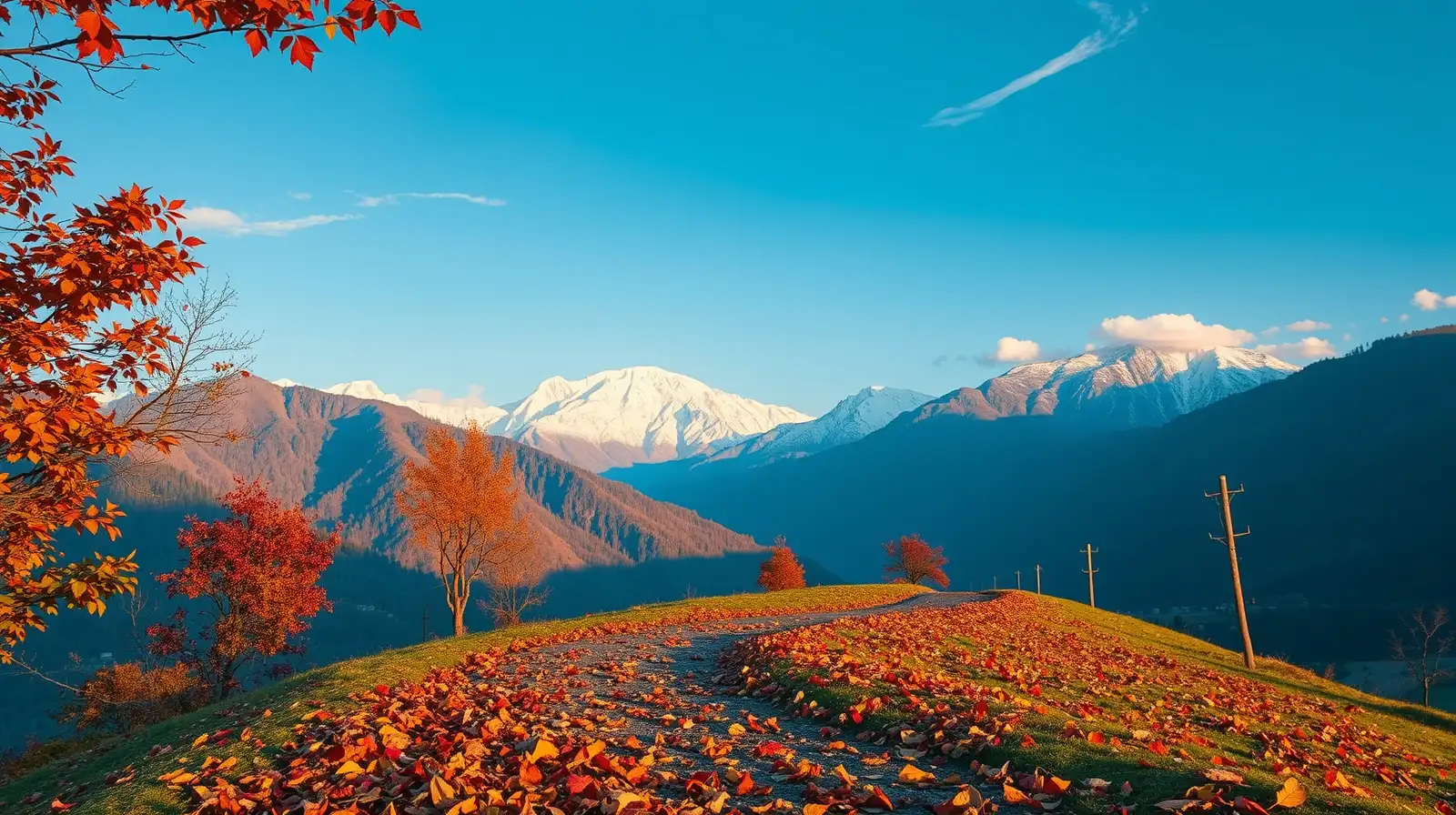
The Mughal gardens, particularly Nishat Bagh and Shalimar Bagh, offer beautiful settings for observing this transformation.
The most dramatic autumn colours generally appear later in the season, particularly during October and November. Visitors in September may witness the earliest changes, along with cooler mornings and clearer mountain views.
As temperatures begin to fall, the surrounding forests gradually change colour. The contrast between the green meadows and the emerging autumn shades creates a striking setting for leisurely walks.
September can still feel like late summer, while October brings more noticeable seasonal changes. Weather conditions can shift quickly at higher elevations.
The Lidder River, mountain meadows and forest trails become particularly appealing as the weather cools.
Autumn colours usually become more pronounced in October, making the destination attractive to photographers and nature enthusiasts looking for seasonal scenery.
As autumn progresses, some of the town's deciduous trees begin to turn golden, while the air becomes noticeably cooler.
Visitors can explore the Ridge, Mall Road and surrounding forest trails. The nearby areas of Kufri and Mashobra also offer opportunities to enjoy the changing mountain landscape.
September often brings pleasant daytime temperatures, while October can introduce a distinct chill in the mornings and evenings.
The region's orchards and surrounding forests offer glimpses of seasonal change. Travellers should remember that snowfall and road disruptions become more likely as winter approaches.
As the monsoon retreats, the skies can become clearer, although cloud cover remains possible. The region's vegetation begins responding to cooler conditions as autumn progresses.
Tawang Monastery, one of India's most significant Buddhist monasteries, adds historical and cultural depth to the journey.
By September and October, rainfall patterns may begin to change, and the surrounding hills can take on a softer, more settled appearance.
The city's pine forests, lakes and surrounding villages provide a refreshing setting for exploring Meghalaya's seasonal rhythms.
As the monsoon gradually withdraws, clearer weather may offer impressive views of Kanchenjunga. The tea-growing landscape remains green, but the air often becomes cooler and drier.
October is generally a popular month for enjoying the region's scenery, although weather conditions vary.
As the monsoon fades, the town can experience clearer skies and more comfortable conditions for outdoor exploration.
The surrounding oak and other forest species contribute to the seasonal character of the Kumaon region, although autumn colours are generally more subtle than those found in Kashmir.
By early autumn, the paddy fields begin moving towards harvest, depending on local cultivation cycles. The valley's pine-covered hills and traditional Apatani villages provide a scenic backdrop.
Visitors can experience how agricultural calendars shape everyday life in the northeastern Himalayas.
1. Srinagar, Jammu and Kashmir
Srinagar is one of the most enchanting places to experience the changing seasons. As autumn approaches, the city's famous chinar trees gradually begin to shift from green to shades of yellow, orange and red.The Mughal gardens, particularly Nishat Bagh and Shalimar Bagh, offer beautiful settings for observing this transformation.
The most dramatic autumn colours generally appear later in the season, particularly during October and November. Visitors in September may witness the earliest changes, along with cooler mornings and clearer mountain views.
2. Gulmarg, Jammu and Kashmir
Gulmarg is best known for its meadows and winter snow, but its autumn landscape offers a different kind of beauty.As temperatures begin to fall, the surrounding forests gradually change colour. The contrast between the green meadows and the emerging autumn shades creates a striking setting for leisurely walks.
September can still feel like late summer, while October brings more noticeable seasonal changes. Weather conditions can shift quickly at higher elevations.
3. Pahalgam, Jammu and Kashmir
Surrounded by pine and deciduous forests, Pahalgam provides a peaceful setting for experiencing the transition from summer to autumn.The Lidder River, mountain meadows and forest trails become particularly appealing as the weather cools.
Autumn colours usually become more pronounced in October, making the destination attractive to photographers and nature enthusiasts looking for seasonal scenery.
4. Shimla, Himachal Pradesh
Shimla's colonial architecture and wooded hills offer a charming backdrop to the changing season.As autumn progresses, some of the town's deciduous trees begin to turn golden, while the air becomes noticeably cooler.
Visitors can explore the Ridge, Mall Road and surrounding forest trails. The nearby areas of Kufri and Mashobra also offer opportunities to enjoy the changing mountain landscape.
5. Manali, Himachal Pradesh
Manali's apple orchards, pine forests and mountain valleys begin preparing for winter as autumn approaches.September often brings pleasant daytime temperatures, while October can introduce a distinct chill in the mornings and evenings.
The region's orchards and surrounding forests offer glimpses of seasonal change. Travellers should remember that snowfall and road disruptions become more likely as winter approaches.
6. Tawang, Arunachal Pradesh
Tawang's high-altitude landscape combines monasteries, mountain lakes and rugged Himalayan scenery.As the monsoon retreats, the skies can become clearer, although cloud cover remains possible. The region's vegetation begins responding to cooler conditions as autumn progresses.
Tawang Monastery, one of India's most significant Buddhist monasteries, adds historical and cultural depth to the journey.
7. Shillong, Meghalaya
Shillong does not experience autumn in the same way as Kashmir, but the transition from the rainy season can still be noticeable.By September and October, rainfall patterns may begin to change, and the surrounding hills can take on a softer, more settled appearance.
The city's pine forests, lakes and surrounding villages provide a refreshing setting for exploring Meghalaya's seasonal rhythms.
8. Darjeeling, West Bengal
Darjeeling is known for its tea gardens, mountain views and colonial heritage.As the monsoon gradually withdraws, clearer weather may offer impressive views of Kanchenjunga. The tea-growing landscape remains green, but the air often becomes cooler and drier.
You may also like
- Full Schedule Released for New Delhi-Darbhanga Special Train: A Gift for Those Heading Home for Chhath
- Attention ESIC Beneficiaries: Linking Aadhaar to Your Card Now Mandatory for Benefits – New Rules Announced
- Interest rates have risen in Japan; how will this affect the cost of loans for India's bullet train and metro projects?
- No email ID on your Aadhaar card? Work from home, without the ₹75 fee
- Meet Ishtiaq Ali: 85-year-old artist from Lucknow who carves Hindu gods on living trees without harming them; “When I sleep, I see Devi-Devtas…”
October is generally a popular month for enjoying the region's scenery, although weather conditions vary.
9. Nainital, Uttarakhand
Nainital's lake, surrounding hills and forested landscapes create a peaceful setting during the transition into autumn.As the monsoon fades, the town can experience clearer skies and more comfortable conditions for outdoor exploration.
The surrounding oak and other forest species contribute to the seasonal character of the Kumaon region, although autumn colours are generally more subtle than those found in Kashmir.
10. Ziro Valley, Arunachal Pradesh
Ziro Valley offers a fascinating glimpse into the relationship between seasonal change and rural life.By early autumn, the paddy fields begin moving towards harvest, depending on local cultivation cycles. The valley's pine-covered hills and traditional Apatani villages provide a scenic backdrop.
Visitors can experience how agricultural calendars shape everyday life in the northeastern Himalayas.






Loving Newspoint? Download the app now
