
10 Protein-Rich Foods You Can Easily Add to Your Daily Diet

Protein has become one of the biggest talking points in modern nutrition, but getting more of it does not necessarily mean buying protein shakes, bars or specially fortified foods. Some of the best high-protein foods are remarkably ordinary and may already be sitting in your kitchen. Eggs, lentils, milk, fish, chicken, beans, yoghurt, nuts and seeds can all contribute to daily protein intake while also supplying other important nutrients. For most people, a varied diet provides enough protein without needing supplements. The British Nutrition Foundation notes that protein is found in both animal and plant foods, while needs vary depending on factors such as age, body size and activity levels.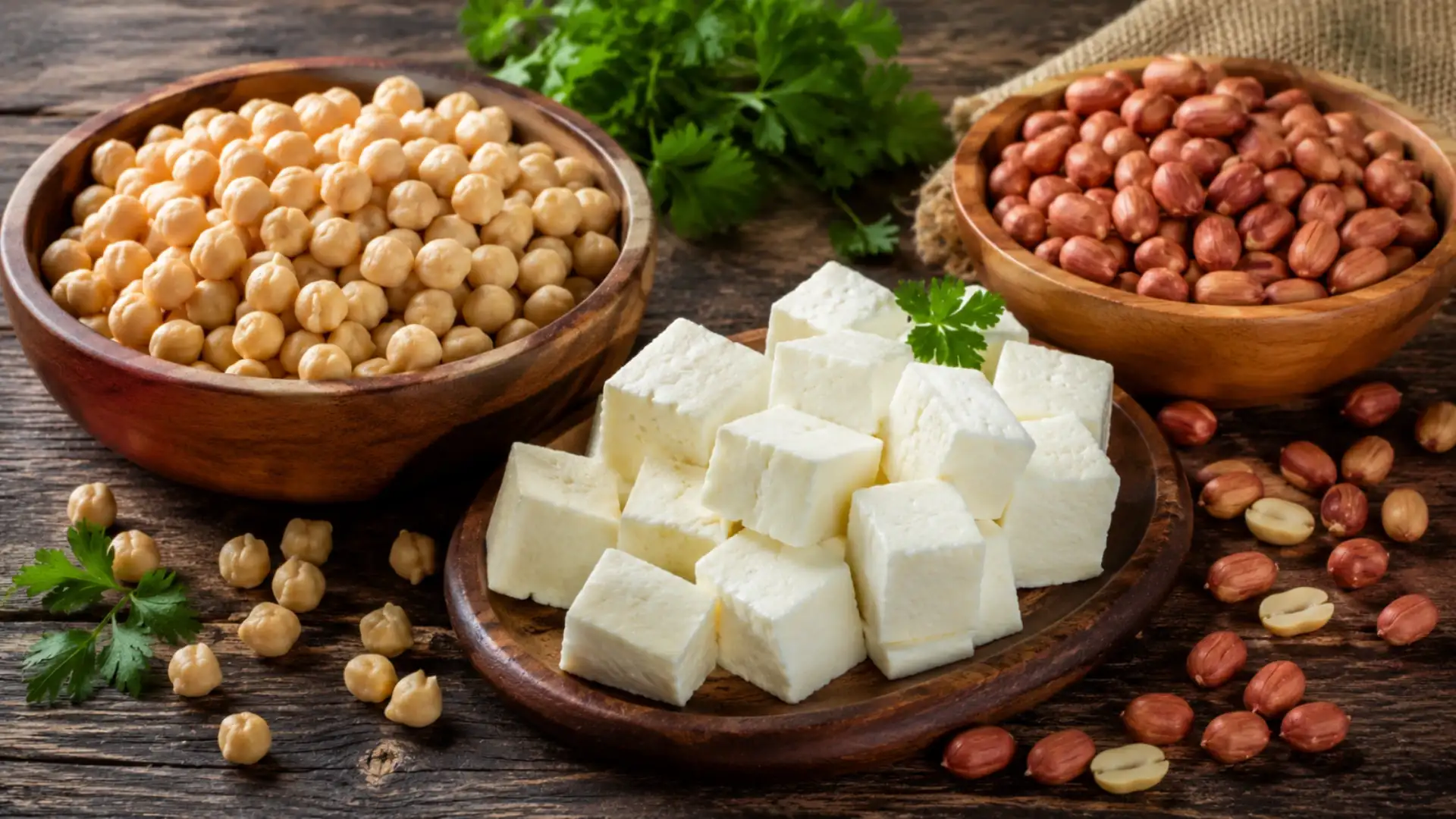
Boiled, scrambled, poached or added to curries, eggs are remarkably versatile. They can also be prepared in advance, making them useful for busy mornings.
A bowl of dal can provide protein as well as fibre and several micronutrients. Pairing lentils with wholegrains such as brown rice or wholemeal roti creates a satisfying meal with a useful combination of nutrients.
It works well with fruit and nuts at breakfast or as a base for savoury dips and sauces.
The preparation matters, though. Deep-frying chicken can add considerable amounts of fat and calories, so cooking method is worth considering.
Including fish regularly can therefore add more nutritional variety than relying on the same protein source every day.
They also provide fibre, which makes them particularly useful in meals designed to be filling. Tinned chickpeas can be rinsed and added directly to salads, curries or roasted snacks.
It can be cooked with vegetables, added to wraps or simply grilled with spices. Because paneer is also relatively energy-dense, portion size can be useful to keep in mind.
Milk can be added to porridge, smoothies or simply enjoyed alongside a meal.
They can be sprinkled over poha, added to chutneys or blended into peanut butter. Their calorie content is relatively high, however, so a small handful can go a long way.
Sprinkle them over yoghurt, porridge or salads for a little extra crunch without changing the meal dramatically.
That is why building meals around naturally high-protein foods can be more useful than focusing exclusively on a number printed on a packet.
The current protein craze may have made the nutrient fashionable, but the foods supplying it are anything but new. Many have been part of traditional diets for generations. Perhaps the smartest approach is not to chase the latest protein product, but to rediscover the simple foods that have quietly been doing the job all along.
1. Eggs
Eggs are among the most convenient sources of complete protein. A medium egg provides roughly 6g of protein, alongside nutrients such as vitamin B12 and selenium.Boiled, scrambled, poached or added to curries, eggs are remarkably versatile. They can also be prepared in advance, making them useful for busy mornings.
2. Lentils
Lentils have been part of South Asian cooking for centuries and remain an inexpensive way to add plant protein to meals.A bowl of dal can provide protein as well as fibre and several micronutrients. Pairing lentils with wholegrains such as brown rice or wholemeal roti creates a satisfying meal with a useful combination of nutrients.
3. Greek Yoghurt
Greek yoghurt is thicker than many standard yoghurts because some of the liquid whey is removed during processing. As a result, it can contain considerably more protein per serving.It works well with fruit and nuts at breakfast or as a base for savoury dips and sauces.
4. Chicken
Chicken is a familiar high-protein food, particularly the breast, which is relatively lean. It can be grilled, roasted, added to curries or shredded into sandwiches and salads.The preparation matters, though. Deep-frying chicken can add considerable amounts of fat and calories, so cooking method is worth considering.
5. Fish
Fish offers protein alongside other valuable nutrients. Oily fish such as salmon, sardines and mackerel are particularly notable because they provide omega-3 fatty acids.Including fish regularly can therefore add more nutritional variety than relying on the same protein source every day.
6. Chickpeas
From chana masala to hummus, chickpeas are one of the most adaptable plant-based protein foods.They also provide fibre, which makes them particularly useful in meals designed to be filling. Tinned chickpeas can be rinsed and added directly to salads, curries or roasted snacks.
7. Paneer
Paneer is a staple in many Indian households and provides a convenient vegetarian source of protein.You may also like
It can be cooked with vegetables, added to wraps or simply grilled with spices. Because paneer is also relatively energy-dense, portion size can be useful to keep in mind.
8. Milk
A glass of milk provides protein as well as calcium and several other nutrients. Dairy milk contains around 3.5g of protein per 100ml, although exact amounts vary between products.Milk can be added to porridge, smoothies or simply enjoyed alongside a meal.
9. Peanuts
Often treated simply as a snack, peanuts contain a useful amount of protein and unsaturated fats.They can be sprinkled over poha, added to chutneys or blended into peanut butter. Their calorie content is relatively high, however, so a small handful can go a long way.
10. Pumpkin Seeds
Seeds are small but nutritionally useful additions to meals. Pumpkin seeds contain protein, healthy fats and minerals such as magnesium.Sprinkle them over yoghurt, porridge or salads for a little extra crunch without changing the meal dramatically.
Why Natural Protein Sources Still Matter
The biggest advantage of these foods is that protein rarely comes alone. Lentils bring fibre, fish can provide omega-3 fats, eggs provide several micronutrients and yoghurt contributes calcium.That is why building meals around naturally high-protein foods can be more useful than focusing exclusively on a number printed on a packet.
The current protein craze may have made the nutrient fashionable, but the foods supplying it are anything but new. Many have been part of traditional diets for generations. Perhaps the smartest approach is not to chase the latest protein product, but to rediscover the simple foods that have quietly been doing the job all along.






Loving Newspoint? Download the app now
