
10 Simple Ways to Reduce Food Waste in Your Everyday Kitchen

Food waste is a common problem in many households. From vegetables forgotten at the back of the refrigerator to leftover meals that end up in the bin, wasted food can add up over time. Often, food goes to waste because groceries are not stored properly, meals are not planned or ingredients are simply forgotten.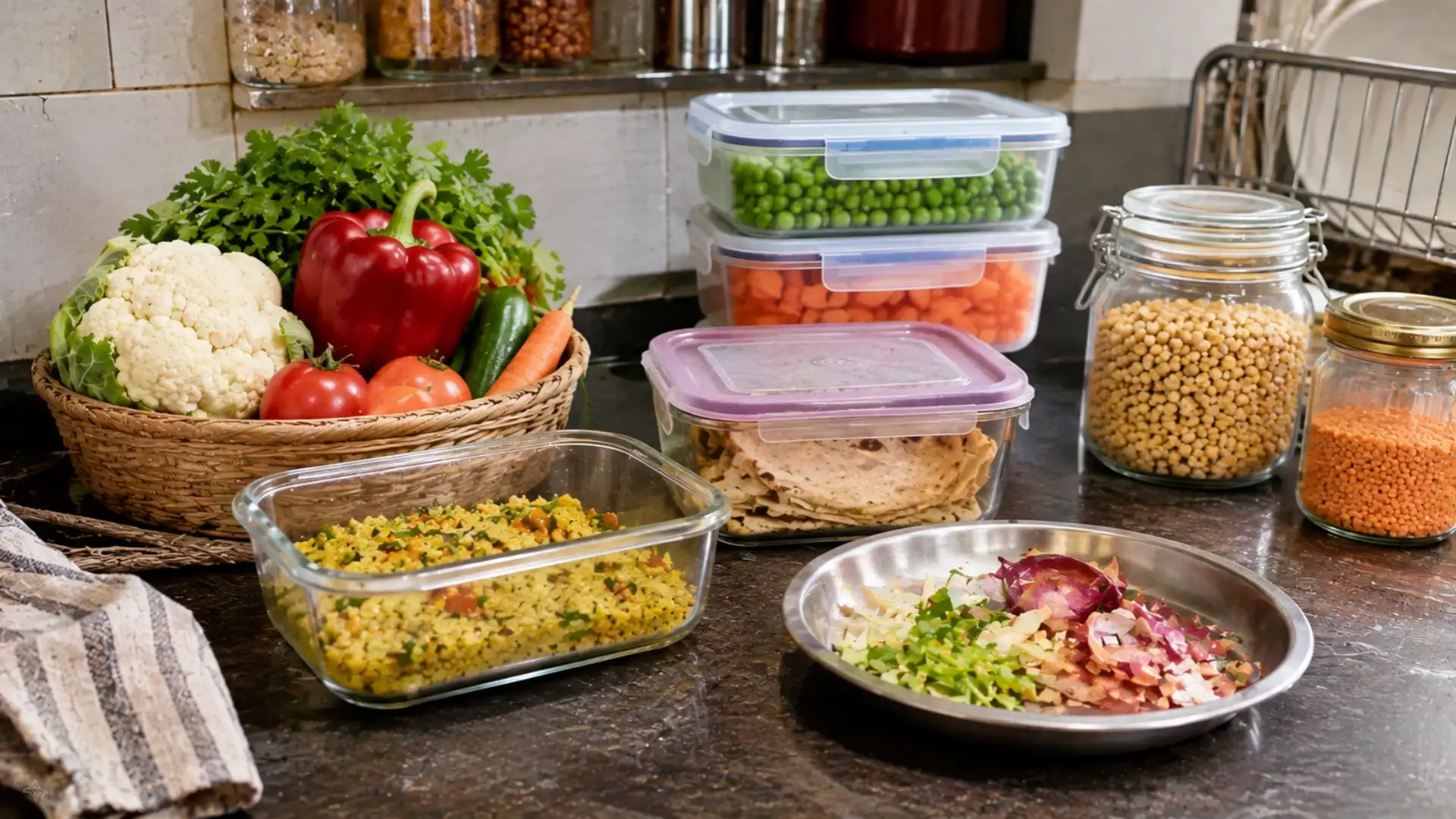
Reducing food waste does not require major lifestyle changes. A few simple habits can help you make better use of ingredients, save money on groceries and keep your kitchen organised. Here are 10 practical ways to reduce food waste at home.
These simple practices also encourage responsible consumption and make kitchen management easier. With a little planning and organisation, you can create a more efficient kitchen while reducing the amount of food that goes to waste.
Reducing food waste does not require major lifestyle changes. A few simple habits can help you make better use of ingredients, save money on groceries and keep your kitchen organised. Here are 10 practical ways to reduce food waste at home.
1. Plan Your Meals Before Grocery Shopping
Before heading to the grocery store, check what you already have in your kitchen. Prepare a basic weekly meal plan and make a shopping list accordingly. This prevents unnecessary purchases and helps you avoid buying ingredients you may not use.2. Store Fruits and Vegetables Properly
Different fruits and vegetables have different storage requirements. Leafy vegetables should be dried properly before refrigeration, while potatoes and onions generally do better in cool, dry and well-ventilated places. Proper storage helps ingredients stay fresh for longer and reduces spoilage.3. Follow the First In, First Out Method
The First In, First Out (FIFO) method involves using older groceries before newer purchases. Place recently purchased items behind older ones in your refrigerator or pantry. This makes it easier to spot ingredients that need to be consumed first.You may also like
- Why are bamboo winnowing baskets (*soop*) and trays (*daura*) used in Chhath Puja?
- Pinki Haryan: From begging on the streets to becoming a doctor — how Dr. Pinki overcame poverty to fulfil her dream
- Chipped a Front Tooth? Can Dental Bonding Restore Your Smile?
- After 12 years, the EPS pension amount could increase from ₹1,000 to ₹3,000; EPFO may grant approval on November 19..
- Is Insulin Safe During Pregnancy? What Research and Doctors Say
4. Turn Leftovers into New Meals
Instead of throwing away leftover food, find creative ways to reuse it. Leftover rice can become fried rice, extra rotis can be turned into rolls, and cooked vegetables can be added to sandwiches or parathas. Leftover dal can also be used as a base for soups or added to dough.5. Freeze Food You Cannot Use Immediately
Freezing is a convenient way to extend the storage life of several ingredients. Peas, chopped vegetables, cooked beans, bread and certain homemade meals can be frozen for later use. Divide food into smaller portions, use freezer-safe containers and label them with storage dates.6. Understand Food Expiry and Best-Before Dates
A best-before date generally indicates how long a product is expected to retain its best quality, while an expiry or use-by date is more closely related to food safety. Read labels carefully and follow storage instructions. Avoid consuming food that shows signs of spoilage or has been stored improperly.7. Make Use of Vegetable Peels and Scraps
Some fruit and vegetable scraps can be reused instead of discarded. Clean vegetable trimmings can be used to prepare homemade stock, coriander stems can be added to chutneys, and cauliflower leaves can be cooked with other vegetables. Potato peels can also be seasoned and baked into a crunchy snack.8. Serve Smaller Portions
Serving more food than people can comfortably eat often leads to unnecessary waste. Start with smaller portions and allow everyone to take additional servings if needed. Store untouched food properly instead of leaving it out for long periods.9. Keep Your Refrigerator and Pantry Organised
A cluttered refrigerator makes it easy to forget about ingredients. Keep similar items together, use clear containers for leftovers and place food that needs to be consumed soon somewhere visible. Clean your refrigerator and pantry regularly to check the condition of stored groceries.10. Buy Only What You Need
Buying groceries in bulk may seem economical, but it can lead to waste if ingredients spoil before you use them. Purchase fresh produce and other perishable items according to your household's needs. Check your existing supplies before shopping to avoid unnecessary duplicates.Make Reducing Food Waste a Daily Habit
Reducing food waste starts with small changes in everyday kitchen habits. Planning meals, storing groceries correctly, reusing leftovers and buying only what you need can help you save money and make better use of available ingredients.These simple practices also encourage responsible consumption and make kitchen management easier. With a little planning and organisation, you can create a more efficient kitchen while reducing the amount of food that goes to waste.






Loving Newspoint? Download the app now
