
10 Smart Home Cooling Hacks To Beat Summer Heat Without Air Conditioner And Cut Power Bills

As summer temperatures continue to rise, keeping indoor spaces comfortable becomes a daily challenge. For many households, relying entirely on air conditioners is either expensive or simply not an option. The good news is that you do not always need heavy appliances to stay cool. With a few thoughtful changes and clever use of natural elements, it is possible to create a refreshing indoor environment even during intense heat.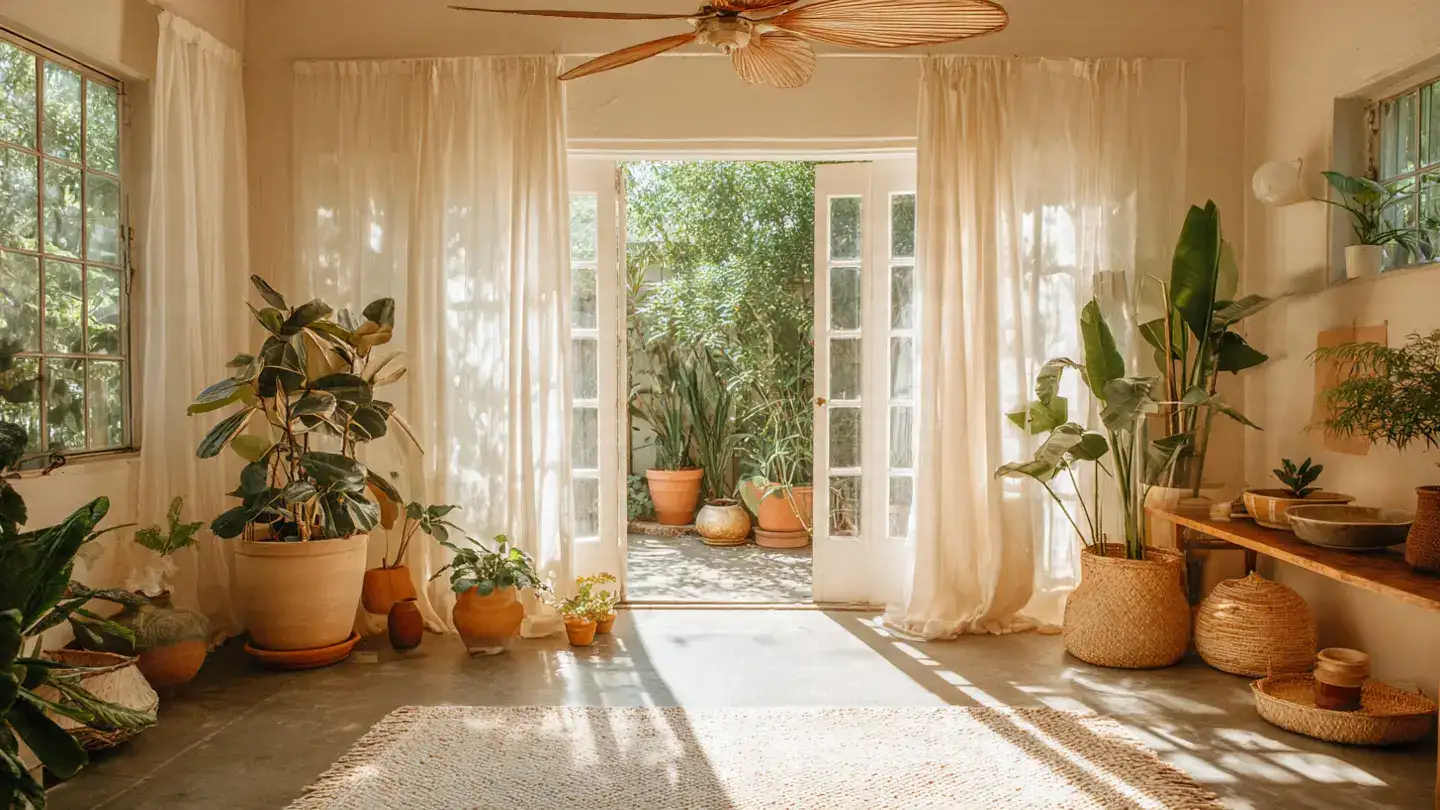
These simple techniques not only reduce the temperature inside your home but also help cut down electricity usage, making them both practical and cost-effective.
Using curtains, blinds or even thick fabric on windows can significantly reduce heat absorption. Choosing light-coloured materials for curtains and furnishings also helps, as they reflect sunlight instead of trapping heat. This small change can noticeably improve indoor comfort.
Keeping windows open during the night and early morning lets cooler air enter your home. Once the temperature begins to rise during the day, closing windows helps retain that coolness. Creating cross ventilation by opening windows or doors on opposite sides of the house further improves airflow and keeps the space airy.
Another simple trick is hanging a slightly damp cloth near a window. As warm air passes through it, the moisture helps cool it down naturally. These methods work particularly well in dry heat conditions and offer instant relief without using much power.
Switching off electronics when not in use can make a meaningful difference. Similarly, cooking during cooler parts of the day, such as early morning or evening, helps avoid adding extra heat indoors. Choosing lighter cooking methods also keeps the kitchen environment more manageable.
Using cotton bedsheets, curtains and clothing can enhance comfort and reduce the feeling of heat. Combined with lighter colours, these materials help create a more breathable indoor environment.
Even a few well-placed plants can make a room feel fresher and more pleasant. This not only adds to comfort but also enhances the overall look of your living space.
These methods are easy to adopt, environmentally friendly and suitable for a wide range of homes, including rented spaces or smaller apartments. By focusing on natural cooling techniques, you can create a comfortable living space while keeping energy consumption under control.
Image Courtesy: Meta AI
These simple techniques not only reduce the temperature inside your home but also help cut down electricity usage, making them both practical and cost-effective.
Block Heat Before It Enters Your Home
One of the most effective ways to maintain a cooler indoor temperature is to prevent heat from entering in the first place. Direct sunlight can quickly warm up walls and floors, turning rooms uncomfortable.Using curtains, blinds or even thick fabric on windows can significantly reduce heat absorption. Choosing light-coloured materials for curtains and furnishings also helps, as they reflect sunlight instead of trapping heat. This small change can noticeably improve indoor comfort.
Make The Most Of Natural Airflow
Proper ventilation plays a crucial role in keeping your home cool. Allowing fresh air to circulate can help push out trapped heat.Keeping windows open during the night and early morning lets cooler air enter your home. Once the temperature begins to rise during the day, closing windows helps retain that coolness. Creating cross ventilation by opening windows or doors on opposite sides of the house further improves airflow and keeps the space airy.
Use Water-Based Cooling Tricks
Water can be a surprisingly effective tool in lowering indoor temperature. Placing a bowl of ice or chilled water in front of a fan can create a cooling effect as the air passes over it.Another simple trick is hanging a slightly damp cloth near a window. As warm air passes through it, the moisture helps cool it down naturally. These methods work particularly well in dry heat conditions and offer instant relief without using much power.
Reduce Heat From Everyday Activities
Many household appliances generate heat without us noticing. Devices like televisions, laptops and even lighting fixtures can contribute to rising room temperatures.You may also like
- Platinum Prices Rise on May 4: Check Latest Rate for 10 Grams Across Major Cities
- New Gaming Tax Rules in India: 30% Levy on Online Money Games from May 1 Explained
- Gold for the Bride, Rings for the Children: Vijay Thalapathy's Promises That Will Make Him Break a Sweat to Fulfill..
- DA Hike: Great News for Bank Employees! DA Rises to 25.70%—Here Is How Much Salary You Will Now Receive Every Month..
- Kapil Sharma Faces Threats Amid Café Attacks but Remains Resilient
Switching off electronics when not in use can make a meaningful difference. Similarly, cooking during cooler parts of the day, such as early morning or evening, helps avoid adding extra heat indoors. Choosing lighter cooking methods also keeps the kitchen environment more manageable.
Choose Materials That Keep You Cool
The type of fabrics used inside your home can influence how hot or cool it feels. Cotton is one of the best choices for summer as it allows better air circulation and absorbs moisture effectively.Using cotton bedsheets, curtains and clothing can enhance comfort and reduce the feeling of heat. Combined with lighter colours, these materials help create a more breathable indoor environment.
Bring Nature Indoors
Indoor plants can contribute to a cooler atmosphere while also improving air quality. They release moisture into the air and help regulate temperature naturally.Even a few well-placed plants can make a room feel fresher and more pleasant. This not only adds to comfort but also enhances the overall look of your living space.
Small Changes, Big Impact
Staying cool during summer does not always require expensive solutions. Simple adjustments, when applied consistently, can lower indoor temperatures by a few degrees, which is often enough to make a noticeable difference.These methods are easy to adopt, environmentally friendly and suitable for a wide range of homes, including rented spaces or smaller apartments. By focusing on natural cooling techniques, you can create a comfortable living space while keeping energy consumption under control.
Image Courtesy: Meta AI






More from our partners


Loving Newspoint? Download the app now
