
How to Plan a Budget-Friendly Trip Without Compromising on Experiences: 10 Smart Tips

Travelling does not always have to mean spending a fortune. With a little planning and a few smart decisions, you can explore new destinations, enjoy local experiences and create wonderful memories without stretching your budget. Whether you are planning a weekend getaway or a longer holiday, the trick is to spend wisely rather than cut out everything that makes a trip enjoyable. From choosing affordable accommodation to finding inexpensive ways to explore, here are 10 practical tips to help you plan a budget-friendly trip .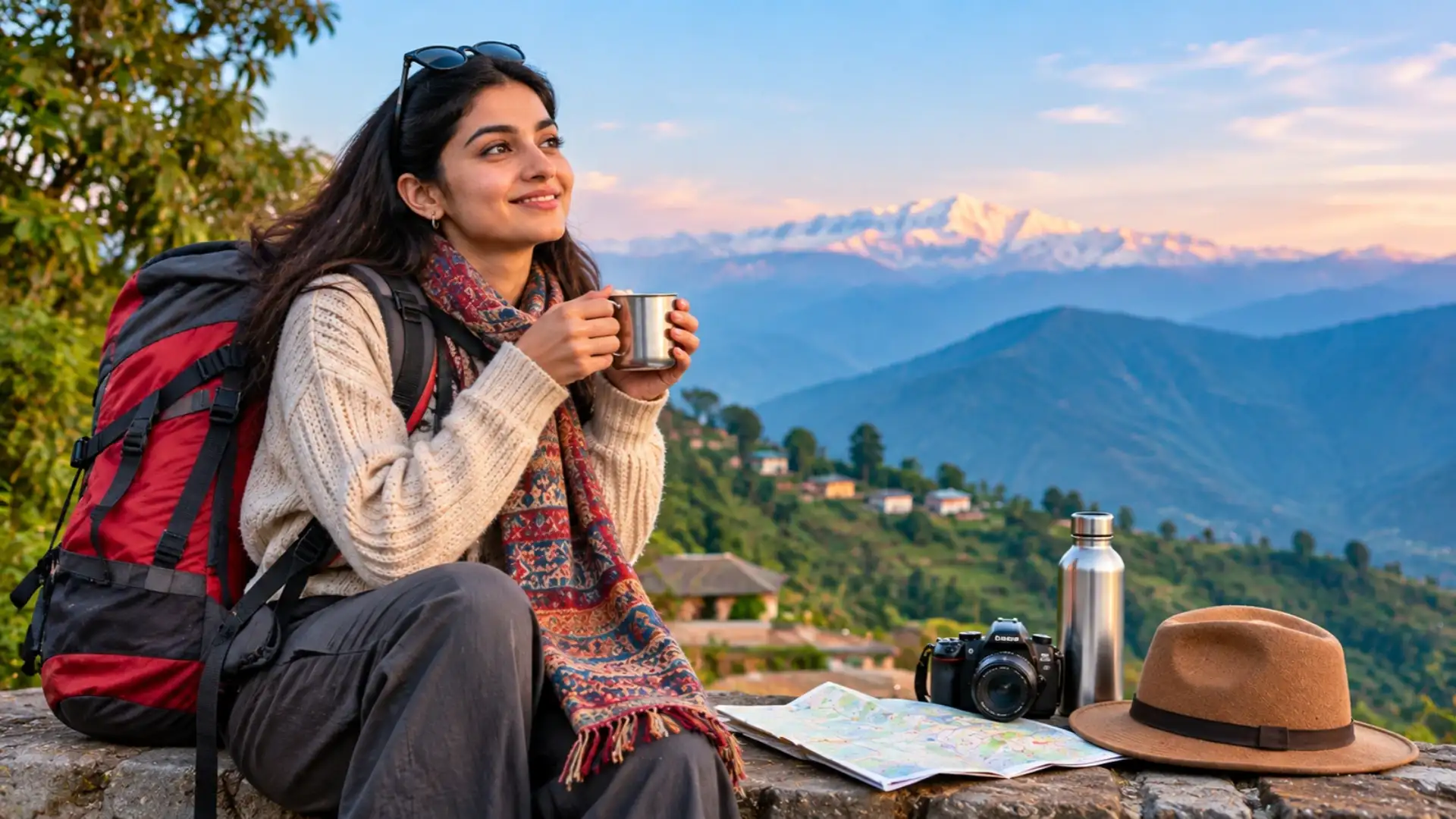
1. Choose Your Destination Wisely
Start by selecting a destination that fits your overall travel budget. Popular tourist spots can sometimes be expensive, especially during peak seasons. Consider lesser-known destinations that offer beautiful landscapes, interesting attractions and local experiences at more affordable prices. Also, research the average costs of accommodation, food and transport before making your decision.2. Travel During the Off-Season
Travelling during the off-season or shoulder season can help you save considerably. Flights, hotels and even some tourist activities may be cheaper when fewer people are visiting. You can also avoid crowded attractions and enjoy a more relaxed experience. Check the local weather and seasonal closures before booking to make sure the timing works for your trip.3. Compare Transport Options Before Booking
Flights are not always the most economical way to reach a destination. Depending on the distance, trains and buses may be considerably cheaper. Compare different travel options, including overnight journeys that can help you save on one night's accommodation. If you are flying, try booking in advance, checking different departure dates and comparing fares across reliable booking platforms.4. Look for Affordable Accommodation
Instead of automatically choosing expensive hotels, explore budget hotels, hostels, guesthouses and homestays. These options can provide comfortable stays without taking up most of your travel budget. If you are travelling with friends or family, sharing an apartment or holiday rental may also be economical. Check recent reviews, location, cleanliness and transport connectivity before confirming your booking.5. Set a Daily Spending Limit
Having a clear daily budget can prevent unnecessary expenses during your trip. Divide your total travel budget into categories such as accommodation, transport, food, sightseeing and shopping. Keep a little money aside for emergencies or unexpected plans. Tracking your spending through a notes app or simple spreadsheet can help you stay within your limits.6. Explore Local Food Options
Eating at expensive restaurants for every meal can quickly increase your travel expenses . Instead, explore local eateries, small cafés, food markets and street food stalls with good hygiene practices. These places often offer authentic regional dishes at more reasonable prices. You can also choose accommodation that includes breakfast or prepare simple meals if your stay has a kitchen.7. Make the Most of Free Attractions
You do not need to spend money on every activity to enjoy a destination. Many places offer free walking tours, public gardens, beaches, local markets, museums with free-entry days and cultural events. Research these options before your trip and include them in your itinerary. Exploring neighbourhoods on foot can also help you discover interesting places that are not always included in travel guides.8. Use Public Transport
Taxis and private transfers can become expensive, particularly when you are travelling frequently between attractions. Research the local bus, metro and train networks to find affordable ways to get around. Some cities also offer daily or weekly travel passes that can reduce transportation costs. Walking or cycling is another great option for exploring nearby areas.9. Pack Smart to Avoid Extra Expenses
Packing thoughtfully can help you avoid unnecessary purchases during your trip. Carry essential medicines, toiletries, reusable water bottles, comfortable walking shoes and weather-appropriate clothing. Check your airline's baggage allowance beforehand to avoid additional luggage fees. A small travel essentials kit can also save you from buying everyday items at expensive tourist shops.10. Prioritise Experiences Over Shopping
It is easy to spend more than planned on souvenirs, shopping and unnecessary purchases. Instead, decide which experiences matter most to you. You might prefer a local food tour, a scenic hike, a cultural performance or a visit to a historical site. Set aside a small shopping budget and focus on activities that help you understand and enjoy the destination.Enjoy More While Spending Less
A budget-friendly holiday is not about avoiding every expense or missing out on memorable experiences. It is about knowing where to save and where spending a little extra is worthwhile. By planning ahead, choosing affordable alternatives and prioritising what you genuinely enjoy, you can make the most of your trip without overspending. After all, the best travel memories often come from the experiences you have, not the amount of money you spend.Next Story