
10 Foliage Plants That Can Make Your Garden Look Beautiful Without Flowers

Flowers often get most of the attention in a garden, but they are not the only way to create colour and visual interest. Some plants are grown mainly for their leaves, which can bring rich green shades, silver tones, deep burgundy colours and unusual patterns to outdoor spaces.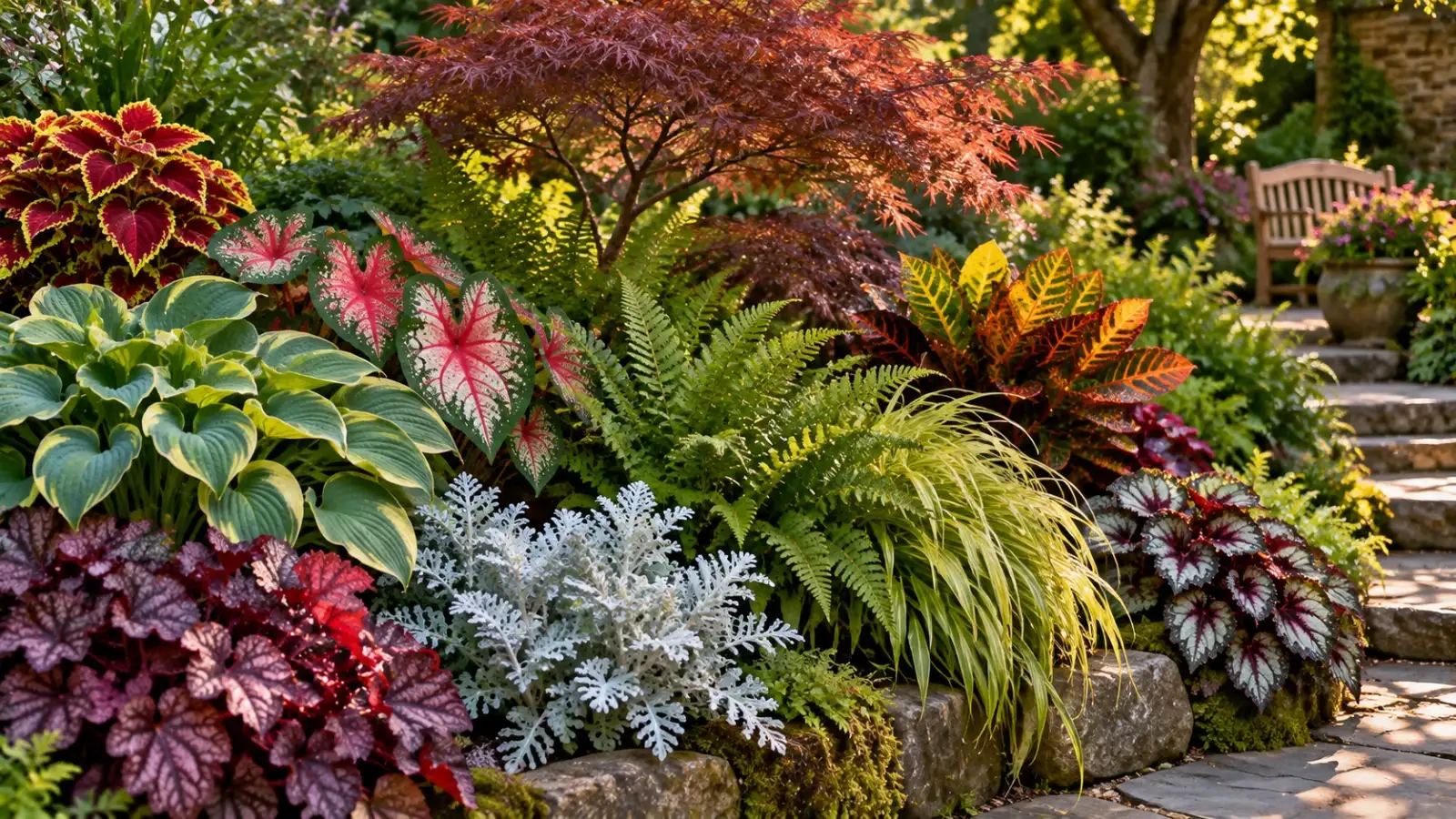
Foliage plants can be particularly useful for gardeners who want their garden to look attractive for longer periods. While many flowers bloom for only a few weeks, interesting leaves can remain part of the garden throughout much of the growing season.
From large tropical-looking leaves to delicate, patterned foliage, there are plenty of plants that can become garden highlights without relying on flowers. Here are ten foliage plants worth considering if you want to create a more interesting garden.
Different varieties have dramatically different patterns, so you can create a colourful display using several types together.
Coleus works well in containers, borders and shaded areas. Regularly pinching the growing tips can also encourage a fuller, bushier shape.
The leaves can create a strong contrast when planted alongside smaller foliage plants.
Hostas work particularly well beneath trees or in shaded borders. Keep in mind that slugs and snails can enjoy their soft leaves, so some protection may be necessary.
Its compact size makes it useful for borders, containers and spaces where larger plants would look out of place.
The leaves provide a reliable splash of colour even when other parts of the garden are between flowering seasons. Combining different heuchera varieties can create a particularly interesting foliage display.
Its finely divided leaves create a softer appearance than plants with large, bold foliage.
A Japanese maple can become a focal point in a garden, particularly when planted where its shape can be appreciated from a pathway, patio or seating area.
There are many different types of fern, ranging from compact varieties to larger species with dramatic fronds.
Ferns are particularly effective when planted in groups. Their foliage can also provide an attractive background for plants with broader or more colourful leaves.
The leaves have a slightly fuzzy appearance and can brighten areas of a garden without introducing bright flowers.
It works well in containers, borders and mixed planting schemes. Pairing dusty miller with purple, green or deep red foliage can create a particularly striking combination.
Their large, heart-shaped leaves give gardens a tropical appearance, making them particularly useful for adding drama to containers and shaded planting areas.
In warm climates, caladiums can create an impressive foliage display for much of the growing season. In cooler areas, they may require more care and protection.
Many varieties have green, yellow or variegated leaves, giving gardeners options for different colour schemes.
It is particularly useful for creating movement along pathways, borders or shaded areas. Plant it in groups to create a flowing carpet of foliage.
The leaves may also feature swirling patterns, spots or contrasting edges.
They are especially popular for containers and sheltered spaces. Their dramatic appearance means that even a small collection can become a focal point.
In warm climates, crotons can become striking landscape plants. They also work well in containers where they can be moved or protected when temperatures drop.
Their colourful foliage makes them a good choice if you want a garden that feels vibrant even when few plants are flowering.
Large hosta leaves can look excellent beside delicate fern fronds, while colourful heuchera can provide a contrast against plain green foliage. Silver plants can brighten darker areas, and deep purple leaves can create visual depth.
Height is important too. Use taller plants towards the back of borders and shorter foliage plants towards the front. Containers can be used to bring dramatic leaves closer to patios, entrances and seating areas.
You should also consider how much sunlight and moisture each plant needs. A beautiful foliage plant will only remain attractive if it is growing in conditions that suit it.
Foliage plants also give you more flexibility. They can fill shady corners, create borders, cover bare areas and provide year-round interest in suitable climates.
The best combinations often come from mixing different shapes and textures rather than simply planting many flowers together. A garden filled with large leaves, fine fronds, colourful foliage and trailing plants can feel just as dramatic as a traditional flower border.
If you want to create a garden that remains visually appealing between flowering seasons, start looking at plants for their leaves rather than their blooms. Sometimes the most beautiful part of a plant is the one that was never meant to steal the spotlight.
Foliage plants can be particularly useful for gardeners who want their garden to look attractive for longer periods. While many flowers bloom for only a few weeks, interesting leaves can remain part of the garden throughout much of the growing season.
From large tropical-looking leaves to delicate, patterned foliage, there are plenty of plants that can become garden highlights without relying on flowers. Here are ten foliage plants worth considering if you want to create a more interesting garden.
1. Coleus: Bright Leaves in Endless Colours
Coleus is one of the easiest ways to add bold colour to a garden without depending on flowers. Its leaves can feature combinations of green, pink, red, purple, yellow and burgundy.Different varieties have dramatically different patterns, so you can create a colourful display using several types together.
Coleus works well in containers, borders and shaded areas. Regularly pinching the growing tips can also encourage a fuller, bushier shape.
2. Hostas: Large Leaves for Shady Gardens
Hostas are especially popular with gardeners looking for attractive plants for shade. Their large leaves come in shades of green, blue-green and yellow, with some varieties featuring striking patterns.The leaves can create a strong contrast when planted alongside smaller foliage plants.
Hostas work particularly well beneath trees or in shaded borders. Keep in mind that slugs and snails can enjoy their soft leaves, so some protection may be necessary.
3. Heuchera: Colourful Foliage All Season
Heuchera is grown mainly for its attractive leaves, which can range from lime green and silver to deep purple and bronze.Its compact size makes it useful for borders, containers and spaces where larger plants would look out of place.
The leaves provide a reliable splash of colour even when other parts of the garden are between flowering seasons. Combining different heuchera varieties can create a particularly interesting foliage display.
4. Japanese Maple : Elegant Leaves With Seasonal Colour
Japanese maple is valued for its delicate leaves and graceful form. Depending on the variety, its foliage can be green, red or purple during the growing season before developing dramatic autumn colour.Its finely divided leaves create a softer appearance than plants with large, bold foliage.
A Japanese maple can become a focal point in a garden, particularly when planted where its shape can be appreciated from a pathway, patio or seating area.
5. Ferns: Texture for Shady Spaces
Ferns are excellent foliage plants for adding texture to areas where many flowering plants struggle. Their delicate fronds can create a soft, layered effect beneath trees and along shaded borders.There are many different types of fern, ranging from compact varieties to larger species with dramatic fronds.
Ferns are particularly effective when planted in groups. Their foliage can also provide an attractive background for plants with broader or more colourful leaves.
6. Dusty Miller: Silvery Leaves for Contrast
Dusty miller is known for its soft, silvery-grey foliage. Its unusual leaf colour makes it useful for creating contrast with darker green plants.The leaves have a slightly fuzzy appearance and can brighten areas of a garden without introducing bright flowers.
It works well in containers, borders and mixed planting schemes. Pairing dusty miller with purple, green or deep red foliage can create a particularly striking combination.
7. Caladium: Tropical-Looking Leaves
Caladiums are grown for their spectacular leaves, which can feature combinations of green, white, pink and red.Their large, heart-shaped leaves give gardens a tropical appearance, making them particularly useful for adding drama to containers and shaded planting areas.
In warm climates, caladiums can create an impressive foliage display for much of the growing season. In cooler areas, they may require more care and protection.
8. Japanese Forest Grass: Movement and Texture
Japanese forest grass offers a completely different type of foliage effect. Its narrow leaves grow in soft, flowing clumps that move gently in the breeze.Many varieties have green, yellow or variegated leaves, giving gardeners options for different colour schemes.
It is particularly useful for creating movement along pathways, borders or shaded areas. Plant it in groups to create a flowing carpet of foliage.
9. Rex Begonia: Striking Patterns on Every Leaf
Rex begonias are known for their unusually patterned leaves. Depending on the variety, the foliage can include shades of silver, green, pink, purple and burgundy.The leaves may also feature swirling patterns, spots or contrasting edges.
They are especially popular for containers and sheltered spaces. Their dramatic appearance means that even a small collection can become a focal point.
10. Croton: Bold Tropical Foliage
Croton is famous for its brightly coloured leaves. Green, yellow, orange, red and burgundy can appear on the same plant, sometimes creating intricate patterns.In warm climates, crotons can become striking landscape plants. They also work well in containers where they can be moved or protected when temperatures drop.
Their colourful foliage makes them a good choice if you want a garden that feels vibrant even when few plants are flowering.
How to Create a Foliage-Focused Garden
The key to a successful foliage garden is contrast. Instead of choosing plants based only on colour, think about leaf size, shape and texture as well.You may also like
- PPF vs SSY: Which scheme is best for your daughter's future, and where will you get massive returns? Full calculation..
- Angelina Jolie's unusual parenting choice: In 2016, she revealed her six children were learning Khmer, Vietnamese, German, Arabic and sign language
- Modern Parenting Tips: 5 Ways to Raise Confident Kids Without Making Marks and Rank Everything
- Living Room Makeover: 5 Vastu-Inspired Decor Ideas for a Fresh, Calm and Welcoming Home
- Ganesh Chaturthi Rangoli Ideas: 7 Beautiful Designs to Give Your Home a Festive Makeover
Large hosta leaves can look excellent beside delicate fern fronds, while colourful heuchera can provide a contrast against plain green foliage. Silver plants can brighten darker areas, and deep purple leaves can create visual depth.
Height is important too. Use taller plants towards the back of borders and shorter foliage plants towards the front. Containers can be used to bring dramatic leaves closer to patios, entrances and seating areas.
You should also consider how much sunlight and moisture each plant needs. A beautiful foliage plant will only remain attractive if it is growing in conditions that suit it.
Why Foliage Plants Deserve More Attention
A garden does not need to be filled with flowers to look colourful and interesting. Leaves can provide some of the most reliable visual features in an outdoor space.Foliage plants also give you more flexibility. They can fill shady corners, create borders, cover bare areas and provide year-round interest in suitable climates.
The best combinations often come from mixing different shapes and textures rather than simply planting many flowers together. A garden filled with large leaves, fine fronds, colourful foliage and trailing plants can feel just as dramatic as a traditional flower border.
If you want to create a garden that remains visually appealing between flowering seasons, start looking at plants for their leaves rather than their blooms. Sometimes the most beautiful part of a plant is the one that was never meant to steal the spotlight.






Loving Newspoint? Download the app now
