
10 Things You Should Declutter Before the New Year

As the year comes to an end, it is a good time to look around your home and get rid of things you no longer need. Over time, cupboards, kitchen drawers, bathroom shelves and storage spaces tend to fill up with unused products and items we often forget we own.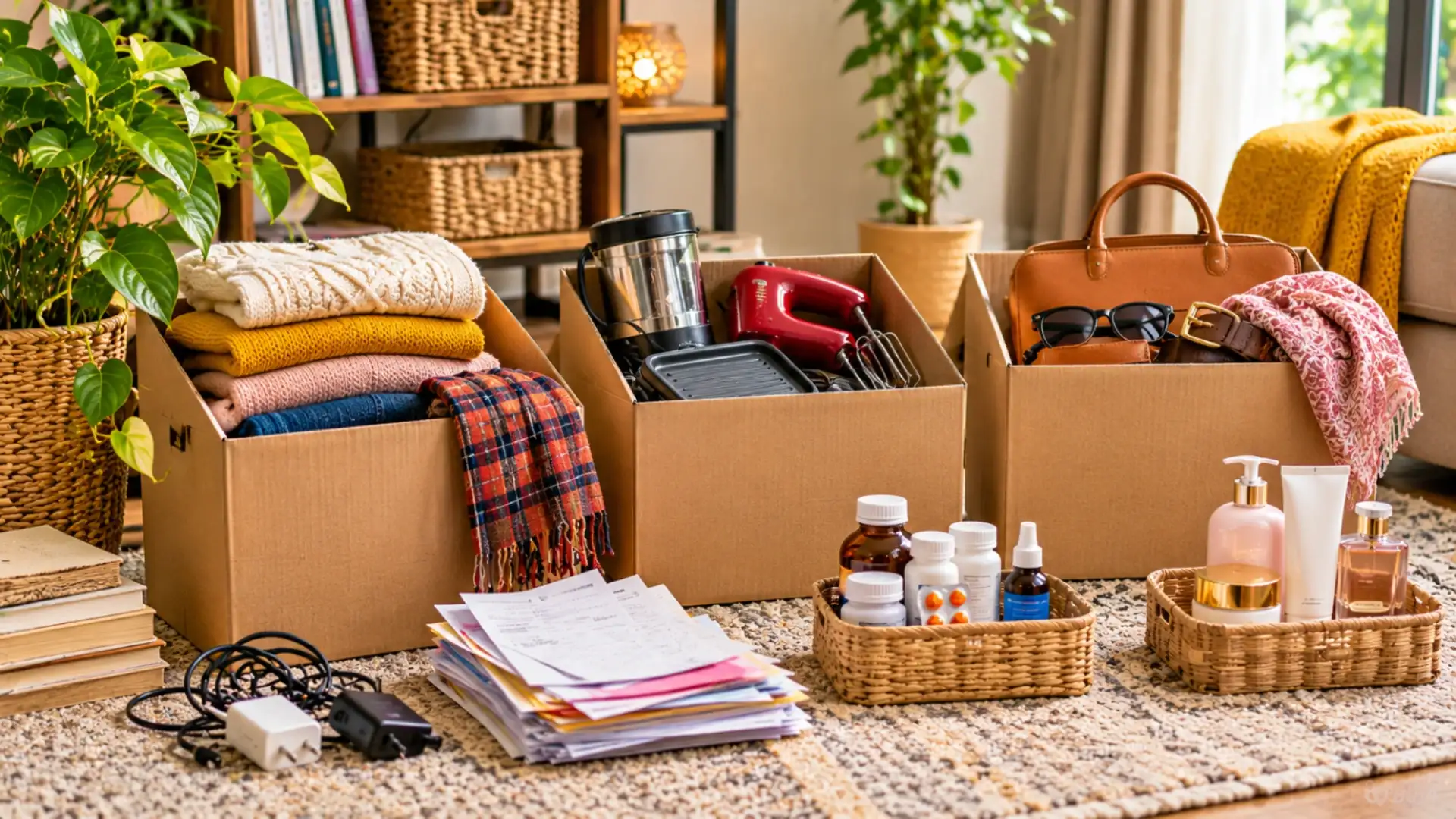
Decluttering before the New Year can help you create a cleaner, more organised living space and make room for things that actually matter. You do not have to throw away everything or spend an entire weekend cleaning. Start with these 10 categories and gradually make your home clutter-free.
Also, get rid of products that have changed colour, smell or texture. Keep only the items you regularly use and organise them in a separate drawer or storage box.
Check which items you actually use and donate or sell appliances that are still in good working condition but no longer serve a purpose in your kitchen. Discard damaged electrical items responsibly.
Shred papers containing personal or financial information before disposing of them. Keep essential records, such as property documents, insurance papers, tax records and important certificates, safely organised in labelled folders.
Check each item and decide whether it can be repaired, reused or donated. Clothes that are too damaged to wear should be recycled through suitable textile collection programmes wherever possible.
Take everything out of your drawers and organise accessories by category. Keep the pieces you genuinely enjoy wearing, donate usable items you no longer need and discard anything broken beyond repair.
Check which electronic accessories are compatible with the devices you currently use. Donate or sell working gadgets if they are still useful, and send broken electronics to authorised e-waste collection or recycling centres. Avoid throwing electronic waste into regular household rubbish.
Check expiry dates and separate medicines that are no longer safe to use. Follow local pharmacy or authorised collection guidance for disposing of unwanted medicines. Do not flush medicines down the toilet or throw them away carelessly.
Keep only clean, reusable containers that serve a clear purpose. Recycle suitable packaging according to local waste collection rules and discard items that cannot be safely reused.
Donate clean and usable linen where appropriate. Old cotton towels and bedsheets can also be repurposed as cleaning cloths, while heavily damaged textiles can be sent for recycling if suitable facilities are available.
Choose a few pieces that complement your space and store meaningful keepsakes carefully. Sell or donate decorative items that are still in good condition but no longer match your preferences.
Decluttering before the New Year can help you create a cleaner, more organised living space and make room for things that actually matter. You do not have to throw away everything or spend an entire weekend cleaning. Start with these 10 categories and gradually make your home clutter-free.
1. Expired Beauty and Skincare Products
Most people have old moisturisers, sunscreens, lipsticks and skincare products sitting at the back of their bathroom shelves. Using expired beauty products may cause irritation or other skin problems, so it is important to check their expiry dates and discard anything that is past its recommended use period.Also, get rid of products that have changed colour, smell or texture. Keep only the items you regularly use and organise them in a separate drawer or storage box.
2. Unused Kitchen Gadgets and Appliances
Kitchen cabinets often become storage spaces for gadgets that seemed useful when purchased but are rarely used. Old sandwich makers, duplicate peelers, unused chopping tools and bulky appliances can take up valuable space.Check which items you actually use and donate or sell appliances that are still in good working condition but no longer serve a purpose in your kitchen. Discard damaged electrical items responsibly.
3. Old Bills, Receipts and Paperwork
Documents can accumulate quickly, especially when you keep every bill, delivery receipt and instruction manual. Go through your paperwork and separate important documents from those that are no longer needed.Shred papers containing personal or financial information before disposing of them. Keep essential records, such as property documents, insurance papers, tax records and important certificates, safely organised in labelled folders.
4. Damaged or Unwearable Clothes
A wardrobe filled with clothes does not necessarily mean you have enough outfits to wear. Old T-shirts, stretched leggings, damaged socks and clothes that no longer fit can occupy space without serving any purpose.Check each item and decide whether it can be repaired, reused or donated. Clothes that are too damaged to wear should be recycled through suitable textile collection programmes wherever possible.
5. Duplicate Accessories
Old handbags, belts, scarves, sunglasses, jewellery and hair accessories can easily pile up over time. You may even have several similar items that you rarely use.Take everything out of your drawers and organise accessories by category. Keep the pieces you genuinely enjoy wearing, donate usable items you no longer need and discard anything broken beyond repair.
6. Outdated Electronics and Old Cables
Old chargers, earphones, broken keyboards, unused phones and tangled cables often end up forgotten in drawers. These items take up space and can make storage areas unnecessarily messy.Check which electronic accessories are compatible with the devices you currently use. Donate or sell working gadgets if they are still useful, and send broken electronics to authorised e-waste collection or recycling centres. Avoid throwing electronic waste into regular household rubbish.
7. Old Medicines and Unused Medical Supplies
Medicine cabinets can contain expired tablets, outdated syrups, old ointments and unused medical supplies. These should be checked carefully rather than kept indefinitely.Check expiry dates and separate medicines that are no longer safe to use. Follow local pharmacy or authorised collection guidance for disposing of unwanted medicines. Do not flush medicines down the toilet or throw them away carelessly.
8. Empty Containers and Unused Storage Boxes
Keeping a few reusable containers is practical, but saving every empty delivery box, plastic jar and takeaway container can quickly create clutter. Some containers may also be damaged, stained or missing their lids.Keep only clean, reusable containers that serve a clear purpose. Recycle suitable packaging according to local waste collection rules and discard items that cannot be safely reused.
9. Old Bedding, Towels and Household Linen
Worn-out bedsheets, faded curtains, damaged pillow covers and rough towels can take up considerable storage space. Go through your linen cupboard and identify items that are no longer comfortable or useful.Donate clean and usable linen where appropriate. Old cotton towels and bedsheets can also be repurposed as cleaning cloths, while heavily damaged textiles can be sent for recycling if suitable facilities are available.
10. Unused Decor and Random Household Items
Decorative pieces, old photo frames, unused candles, broken showpieces and miscellaneous items often collect dust on shelves and tables. While some objects may hold sentimental value, keeping everything can make your home look crowded.Choose a few pieces that complement your space and store meaningful keepsakes carefully. Sell or donate decorative items that are still in good condition but no longer match your preferences.
Final Thoughts
Decluttering before the New Year is a simple way to make your home feel more organised and comfortable. Instead of trying to clean every corner at once, focus on one cupboard or category at a time. Donate useful items, recycle what you can and dispose of damaged or expired products responsibly. A little effort now can help you begin the New Year with a cleaner space and a more organised routine.Next Story