
10 Amazing Animals That Thrive in Unusual Habitats

When people think about wildlife habitats, they often imagine forests, grasslands, rivers or open oceans. Yet animals can survive in places that seem completely unsuitable for life. Some live high in mountains, others spend much of their lives underground, while certain species have adapted to deserts, city centres and even environments where oxygen is scarce.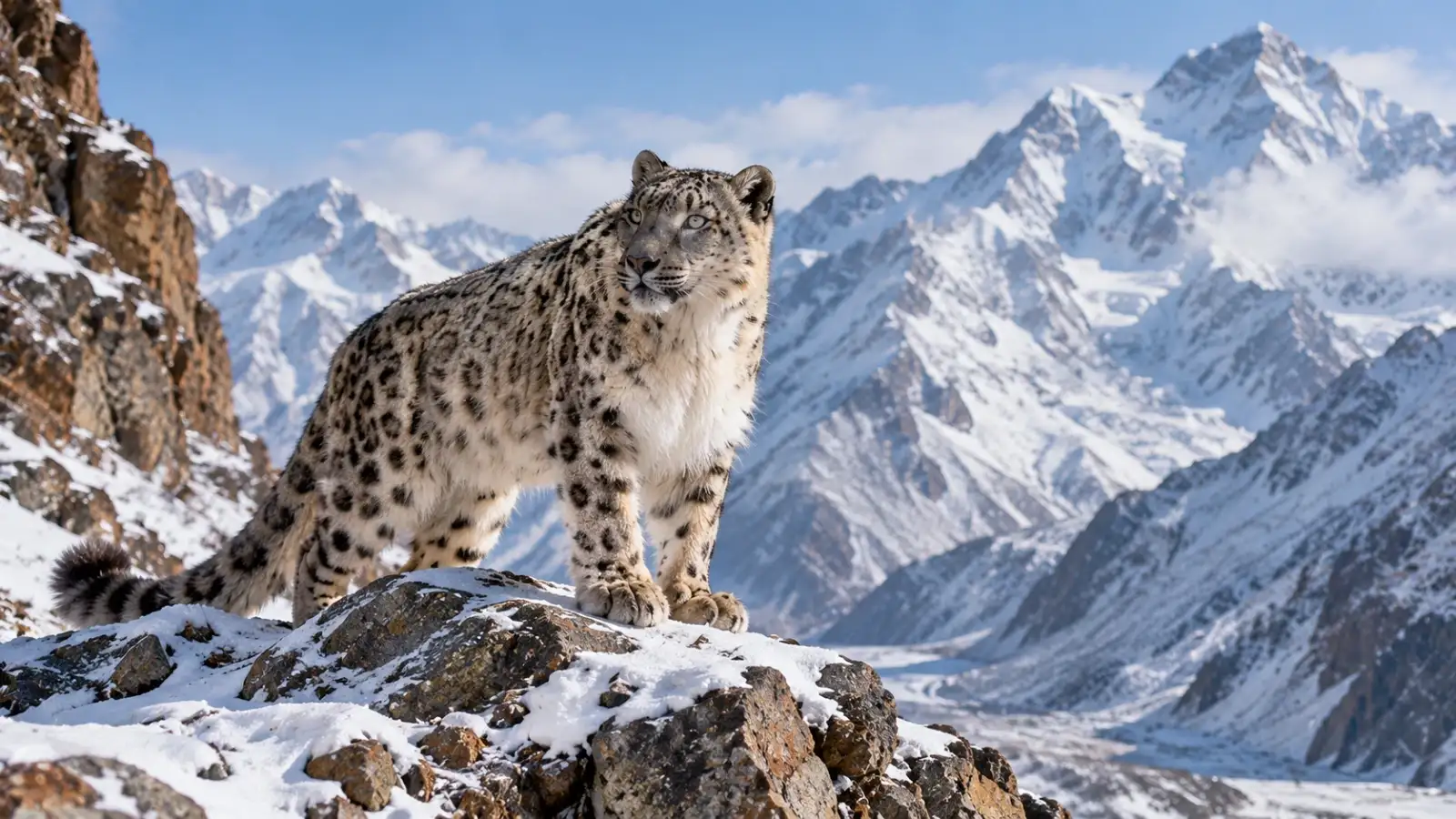
These unusual habitats show how adaptable wildlife can be. Over generations, animals develop physical features and behaviours that help them find food, escape predators and cope with difficult conditions. An environment that looks harsh to humans may be perfectly manageable for a species that has evolved to live there.
Here are 10 fascinating wildlife species that have adapted to some of the most unexpected places on Earth.
Their thick fur provides insulation, while large paws help them move across snow and uneven ground. Their long tails also help with balance and can be wrapped around the body for warmth.
They are remarkably suited to thin mountain air and rugged slopes. Their ability to move quietly across rocky terrain also helps them hunt wild sheep, goats and other mountain animals.
Their dense feathers and layer of body fat help reduce heat loss. Penguins also huddle together, allowing individuals to conserve energy in extreme cold.
Their bodies are equally adapted to the sea. Streamlined shapes and powerful flippers allow them to swim efficiently while hunting fish and other marine prey.
The ears help the fox release heat and also allow it to detect small animals moving beneath sand. Its pale coat reflects some sunlight, while furry feet help protect its paws from hot ground.
Fennec foxes are mainly active at night, avoiding the most intense daytime heat. They can obtain much of the moisture they need from their food.
Their ability to cope with dehydration and high temperatures makes them particularly suited to desert conditions. Their humps store fat rather than water, and that stored energy can be used when food is scarce.
Long eyelashes and closable nostrils also help protect camels from blowing sand, while their broad feet make walking across loose desert ground easier.
Certain cave-dwelling fish have reduced eyes or may lose functional vision over generations. Instead, they rely more heavily on other senses to navigate and locate food.
Some species have enhanced sensitivity to vibrations or changes in water movement. Their adaptations demonstrate that animals do not always need eyesight to survive successfully.
When conditions become extremely difficult, some tardigrades can enter a dormant state called a tun. Their metabolism drops dramatically, allowing them to withstand dehydration and other environmental stresses.
Their survival abilities have made them an important subject of scientific research, particularly in studies of extreme environments.
Their specialised hooves have hard edges and softer inner pads that provide traction on rocky surfaces. This allows them to climb slopes that would be extremely difficult for many other large mammals.
They also have thick coats that protect them from cold weather. Their climbing skills are an important part of how they survive in such challenging terrain.
Cities can also provide abundant prey, particularly pigeons and other birds. This has allowed peregrine falcons to establish populations in some urban areas.
Their presence demonstrates how wildlife can sometimes take advantage of human-built environments rather than simply being pushed out by them.
They may leave their nests during relatively short periods when conditions are suitable and use visual and environmental cues to navigate across open landscapes.
Their ability to move quickly and efficiently allows them to gather food while limiting the time spent exposed to extreme heat.
Their bodies are adapted to cold marine conditions, with thick layers of fat providing insulation. They can also dive for considerable periods while searching for food beneath the ice.
The ability to navigate an underwater environment hidden beneath frozen surfaces makes these seals particularly well suited to one of Earth's harshest habitats.
Behaviour is equally important. Nocturnal activity can help desert animals avoid extreme heat, while huddling can help animals conserve warmth. Some species migrate when conditions become difficult, while others enter dormant states to survive periods when food or water is scarce.
These adaptations usually develop over very long periods through evolution. They are not conscious decisions made by individual animals. Instead, traits that help animals survive and reproduce can become more common over generations.
These species show that survival is often about using what an environment offers. A cliff can become a safe nesting site, a city building can replace a rocky ledge and darkness can lead to the development of stronger senses.
The more we learn about wildlife adaptations , the clearer it becomes that nature is far more flexible and inventive than it may first appear.
These unusual habitats show how adaptable wildlife can be. Over generations, animals develop physical features and behaviours that help them find food, escape predators and cope with difficult conditions. An environment that looks harsh to humans may be perfectly manageable for a species that has evolved to live there.
Here are 10 fascinating wildlife species that have adapted to some of the most unexpected places on Earth.
1. Snow Leopards in High Mountain Landscapes
Snow leopards live in the high mountains of Central and South Asia, where temperatures can fall well below freezing and the terrain is steep and rocky.Their thick fur provides insulation, while large paws help them move across snow and uneven ground. Their long tails also help with balance and can be wrapped around the body for warmth.
They are remarkably suited to thin mountain air and rugged slopes. Their ability to move quietly across rocky terrain also helps them hunt wild sheep, goats and other mountain animals.
2. Penguins in the Antarctic Cold
Penguins are often associated with ice and freezing oceans, but their ability to survive in such conditions is remarkable. Emperor penguins, for example, breed during the Antarctic winter when temperatures can become extremely low.Their dense feathers and layer of body fat help reduce heat loss. Penguins also huddle together, allowing individuals to conserve energy in extreme cold.
Their bodies are equally adapted to the sea. Streamlined shapes and powerful flippers allow them to swim efficiently while hunting fish and other marine prey.
3. Fennec Foxes in the Sahara Desert
The fennec fox is perfectly adapted to life in North African deserts. Its enormous ears are perhaps its most recognisable feature, but they have an important function.The ears help the fox release heat and also allow it to detect small animals moving beneath sand. Its pale coat reflects some sunlight, while furry feet help protect its paws from hot ground.
Fennec foxes are mainly active at night, avoiding the most intense daytime heat. They can obtain much of the moisture they need from their food.
4. Camels in Extremely Dry Deserts
Camels are among the best-known examples of animals adapted to harsh environments. They can survive in hot, dry landscapes where water may be unavailable for long periods.Their ability to cope with dehydration and high temperatures makes them particularly suited to desert conditions. Their humps store fat rather than water, and that stored energy can be used when food is scarce.
Long eyelashes and closable nostrils also help protect camels from blowing sand, while their broad feet make walking across loose desert ground easier.
5. Cave Fish in Permanent Darkness
Some fish species have evolved to live in caves where sunlight never reaches. These environments can be extremely dark and offer limited food.Certain cave-dwelling fish have reduced eyes or may lose functional vision over generations. Instead, they rely more heavily on other senses to navigate and locate food.
Some species have enhanced sensitivity to vibrations or changes in water movement. Their adaptations demonstrate that animals do not always need eyesight to survive successfully.
6. Tardigrades in Extreme Environments
Tardigrades are microscopic animals famous for their ability to survive conditions that would be fatal to most living creatures. They have been found in environments ranging from mountain habitats to marine and freshwater ecosystems.When conditions become extremely difficult, some tardigrades can enter a dormant state called a tun. Their metabolism drops dramatically, allowing them to withstand dehydration and other environmental stresses.
Their survival abilities have made them an important subject of scientific research, particularly in studies of extreme environments.
7. Mountain Goats on Steep Cliffs
Mountain goats live in rugged mountain environments where cliffs and steep slopes provide both food and protection from predators.Their specialised hooves have hard edges and softer inner pads that provide traction on rocky surfaces. This allows them to climb slopes that would be extremely difficult for many other large mammals.
They also have thick coats that protect them from cold weather. Their climbing skills are an important part of how they survive in such challenging terrain.
8. Urban Peregrine Falcons
Peregrine falcons are traditionally associated with cliffs, but some have successfully adapted to modern cities. Tall buildings can resemble the rocky cliffs that these birds naturally use for nesting.Cities can also provide abundant prey, particularly pigeons and other birds. This has allowed peregrine falcons to establish populations in some urban areas.
Their presence demonstrates how wildlife can sometimes take advantage of human-built environments rather than simply being pushed out by them.
9. Desert Ants in Extreme Heat
Some desert ants live in environments where temperatures on the ground can become dangerously high. Certain species have developed impressive ways to avoid overheating.They may leave their nests during relatively short periods when conditions are suitable and use visual and environmental cues to navigate across open landscapes.
You may also like
- 600-year-old Hindu temple in Rajasthan has a Muslim priest; family that came from Sindh has been serving the Hindu goddess for 14 generations: The story of Jodhpur's Bagoria Mataji Mandir
- Why Mahabharata Has Stories Inside Other Stories
- Expectation of at least ₹58,000 pension; another major 8th Pay Commission meeting tomorrow
- After HDFC, LIC Bets Big on ICICI Bank; Both Stocks in Focus on Monday
- Download this app before buying gold; check purity in minutes.
Their ability to move quickly and efficiently allows them to gather food while limiting the time spent exposed to extreme heat.
10. Seals Beneath Antarctic Ice
Some seal species have adapted to life in environments dominated by sea ice. Weddell seals, for example, can spend long periods in Antarctic waters and maintain breathing holes in the ice.Their bodies are adapted to cold marine conditions, with thick layers of fat providing insulation. They can also dive for considerable periods while searching for food beneath the ice.
The ability to navigate an underwater environment hidden beneath frozen surfaces makes these seals particularly well suited to one of Earth's harshest habitats.
How Animals Adapt to Unexpected Habitats
Animal adaptations can take many forms. Thick fur can protect against freezing temperatures, while large ears can help release heat in deserts. Specialised feet can provide grip on cliffs, and changes in eyesight can help animals survive in permanent darkness.Behaviour is equally important. Nocturnal activity can help desert animals avoid extreme heat, while huddling can help animals conserve warmth. Some species migrate when conditions become difficult, while others enter dormant states to survive periods when food or water is scarce.
These adaptations usually develop over very long periods through evolution. They are not conscious decisions made by individual animals. Instead, traits that help animals survive and reproduce can become more common over generations.
Nature Is Full of Surprises
Wildlife does not always live where we expect it to. From penguins surviving Antarctic winters to foxes coping with desert heat and falcons nesting on skyscrapers, animals have found ways to make remarkably different environments their homes.These species show that survival is often about using what an environment offers. A cliff can become a safe nesting site, a city building can replace a rocky ledge and darkness can lead to the development of stronger senses.
The more we learn about wildlife adaptations , the clearer it becomes that nature is far more flexible and inventive than it may first appear.






Loving Newspoint? Download the app now
