
3 Miraculous Births Nobody Talks About in Hindu Mythology


What if three of Hindu tradition’s most revered divine women share a mysterious connection in the way their stories describe their arrival on Earth? Maa Parvati, Maa Sita and Radha Rani are associated with divine feminine power in different Hindu traditions, but their birth stories are far from ordinary. One is described as the daughter of Himavan and Mena, another emerges from a furrow while King Janaka is ploughing, and another is described in devotional traditions as appearing miraculously before Vrishabhanu. Their stories come from different texts and traditions, so they should not be treated as one single account. Yet the unusual nature of their manifestations makes these stories especially fascinating.
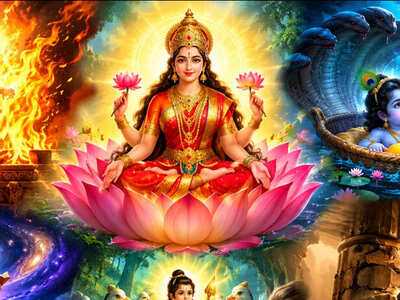
The Story Begins With Divine Shakti
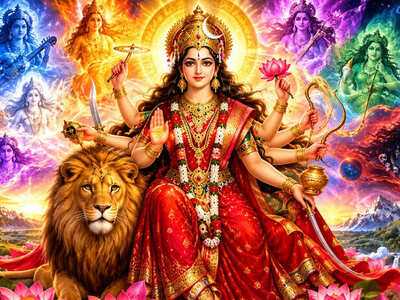 Maa Adi Shakti is understood in Hindu traditions as the supreme feminine divine power.
The idea of Adi Shakti provides the spiritual thread behind many Hindu stories of the divine feminine. Different scriptures and traditions describe the goddess through different names, forms and manifestations. Parvati is associated with Shiva’s Shakti, Sita is associated with Lakshmi in several Ramayana traditions, while Radha occupies a central place in Krishna devotion. Because these traditions developed across different texts and regions, their stories are not always identical. That is why it is more accurate to say that these goddesses are connected through Hindu ideas of divine feminine power rather than claim that every scripture gives exactly the same genealogy.
Parvati Arrived as Sati’s Next Birth
The story of Maa Parvati’s birth carries a powerful twist. In classical Hindu literature, Parvati is described as the rebirth of Sati, Shiva’s first wife, who had given up her body after the humiliation connected with her father Daksha’s sacrifice. Later traditions describe Parvati as the daughter of Himavan, the personification of the Himalayas, and Mena. Some Puranic accounts add an extraordinary detail: Himavan and Mena were performing penance for a child when they encountered a divine girl in the waters. They recognised her divine nature and accepted her as their daughter.
Sita Emerged From the EarthThe birth of Maa Sita is one of the most unusual birth stories in the Ramayana tradition. In Valmiki’s Ramayana, King Janaka explains that while he was ploughing a field prepared for a sacrifice, a girl appeared from the furrow. He named her Sita and accepted her as his daughter. The Sanskrit word sita is associated with a furrow, which makes the name itself part of the story. Sita is therefore called Ayonija, meaning one not born from a womb, in later descriptions. Her earth-born origin also connects her with the sacred symbolism of the Earth.
Radha’s Birth Has More Than One TraditionThe birth story of Radha Rani is not presented in exactly the same way across Hindu texts and devotional traditions. Some accounts describe Radha as an ayonija, while popular Braj traditions tell of Vrishabhanu finding a radiant baby associated with a golden lotus and accepting her as his daughter. Other traditions identify her mother as Kalavati, while the better-known devotional tradition often uses the name Kirtida or Kirti. This variation matters because Radha’s story developed through several layers of sacred literature and regional devotion. The common thread is her extraordinary divine arrival and her connection with Vrishabhanu’s family.
Three Families Received Divine GirlsThere is a beautiful pattern across these stories. Parvati becomes the daughter of Himavan and Mena, Sita becomes the daughter of King Janaka, and Radha is associated with Vrishabhanu and his family. Their arrivals are described as extraordinary, but each story eventually brings the divine into an intimate family setting. Parvati grows up as a princess of the mountains, Sita as Janaka’s beloved daughter, and Radha as the cherished daughter of Vrishabhanu. Their stories show how Hindu mythology often places the divine within familiar human relationships rather than keeping the sacred completely separate from everyday life.
Their Births Are Part of Bigger Divine StoriesTheir unusual manifestations are only the beginning. Parvati’s story leads toward her union with Shiva, while Sita’s life becomes central to the Ramayana and Rama’s battle with Ravana. Radha becomes central to the devotional traditions surrounding Krishna and divine love. Their stories therefore cannot be understood only through their births. Each manifestation becomes part of a much larger sacred narrative. The details also differ between scriptures, Puranas, regional traditions and later devotional literature. That is why reading these stories with their textual context makes them even more interesting rather than reducing them to one simplified version.
The Mystery Is in Their Divine ManifestationThe most fascinating part of these stories is the idea that the divine can appear in forms that humans cannot easily explain. Sita appears from the earth, Parvati returns as Sati’s next birth, and Radha is described through different miraculous origin traditions. These stories are not identical, and they should not be presented as though one scripture tells all three in exactly the same way. Yet together, they offer a striking picture of how Hindu traditions understand divine feminine presence. The mystery is not simply how these girls arrived, but why their earthly lives became central to some of Hinduism’s most beloved sacred stories.
Unlock insightful tips and inspiration on personal growth, productivity, and well-being. Stay motivated and updated with the latest at My Life XP
The Story Begins With Divine Shakti
The idea of Adi Shakti provides the spiritual thread behind many Hindu stories of the divine feminine. Different scriptures and traditions describe the goddess through different names, forms and manifestations. Parvati is associated with Shiva’s Shakti, Sita is associated with Lakshmi in several Ramayana traditions, while Radha occupies a central place in Krishna devotion. Because these traditions developed across different texts and regions, their stories are not always identical. That is why it is more accurate to say that these goddesses are connected through Hindu ideas of divine feminine power rather than claim that every scripture gives exactly the same genealogy.
Parvati Arrived as Sati’s Next Birth
The story of Maa Parvati’s birth carries a powerful twist. In classical Hindu literature, Parvati is described as the rebirth of Sati, Shiva’s first wife, who had given up her body after the humiliation connected with her father Daksha’s sacrifice. Later traditions describe Parvati as the daughter of Himavan, the personification of the Himalayas, and Mena. Some Puranic accounts add an extraordinary detail: Himavan and Mena were performing penance for a child when they encountered a divine girl in the waters. They recognised her divine nature and accepted her as their daughter.
Sita Emerged From the EarthThe birth of Maa Sita is one of the most unusual birth stories in the Ramayana tradition. In Valmiki’s Ramayana, King Janaka explains that while he was ploughing a field prepared for a sacrifice, a girl appeared from the furrow. He named her Sita and accepted her as his daughter. The Sanskrit word sita is associated with a furrow, which makes the name itself part of the story. Sita is therefore called Ayonija, meaning one not born from a womb, in later descriptions. Her earth-born origin also connects her with the sacred symbolism of the Earth.
Radha’s Birth Has More Than One TraditionThe birth story of Radha Rani is not presented in exactly the same way across Hindu texts and devotional traditions. Some accounts describe Radha as an ayonija, while popular Braj traditions tell of Vrishabhanu finding a radiant baby associated with a golden lotus and accepting her as his daughter. Other traditions identify her mother as Kalavati, while the better-known devotional tradition often uses the name Kirtida or Kirti. This variation matters because Radha’s story developed through several layers of sacred literature and regional devotion. The common thread is her extraordinary divine arrival and her connection with Vrishabhanu’s family.
Three Families Received Divine GirlsThere is a beautiful pattern across these stories. Parvati becomes the daughter of Himavan and Mena, Sita becomes the daughter of King Janaka, and Radha is associated with Vrishabhanu and his family. Their arrivals are described as extraordinary, but each story eventually brings the divine into an intimate family setting. Parvati grows up as a princess of the mountains, Sita as Janaka’s beloved daughter, and Radha as the cherished daughter of Vrishabhanu. Their stories show how Hindu mythology often places the divine within familiar human relationships rather than keeping the sacred completely separate from everyday life.
Their Births Are Part of Bigger Divine StoriesTheir unusual manifestations are only the beginning. Parvati’s story leads toward her union with Shiva, while Sita’s life becomes central to the Ramayana and Rama’s battle with Ravana. Radha becomes central to the devotional traditions surrounding Krishna and divine love. Their stories therefore cannot be understood only through their births. Each manifestation becomes part of a much larger sacred narrative. The details also differ between scriptures, Puranas, regional traditions and later devotional literature. That is why reading these stories with their textual context makes them even more interesting rather than reducing them to one simplified version.
The Mystery Is in Their Divine ManifestationThe most fascinating part of these stories is the idea that the divine can appear in forms that humans cannot easily explain. Sita appears from the earth, Parvati returns as Sati’s next birth, and Radha is described through different miraculous origin traditions. These stories are not identical, and they should not be presented as though one scripture tells all three in exactly the same way. Yet together, they offer a striking picture of how Hindu traditions understand divine feminine presence. The mystery is not simply how these girls arrived, but why their earthly lives became central to some of Hinduism’s most beloved sacred stories.
Unlock insightful tips and inspiration on personal growth, productivity, and well-being. Stay motivated and updated with the latest at My Life XP
Next Story