
4 Rare and Mysterious Animals in the World You’ve Never Heard Of - Nature’s Most Incredible Survivors

The natural world is full of astonishing creatures, many of which remain elusive and little understood. Among these, a few rare and mysterious animals captivate scientists and nature lovers alike with their unique traits and fascinating survival skills. From microscopic marvels to shy forest dwellers, these extraordinary beings showcase the incredible diversity and mystery of life on Earth. Let’s dive into the stories of four of the rarest and most intriguing animals that continue to amaze us.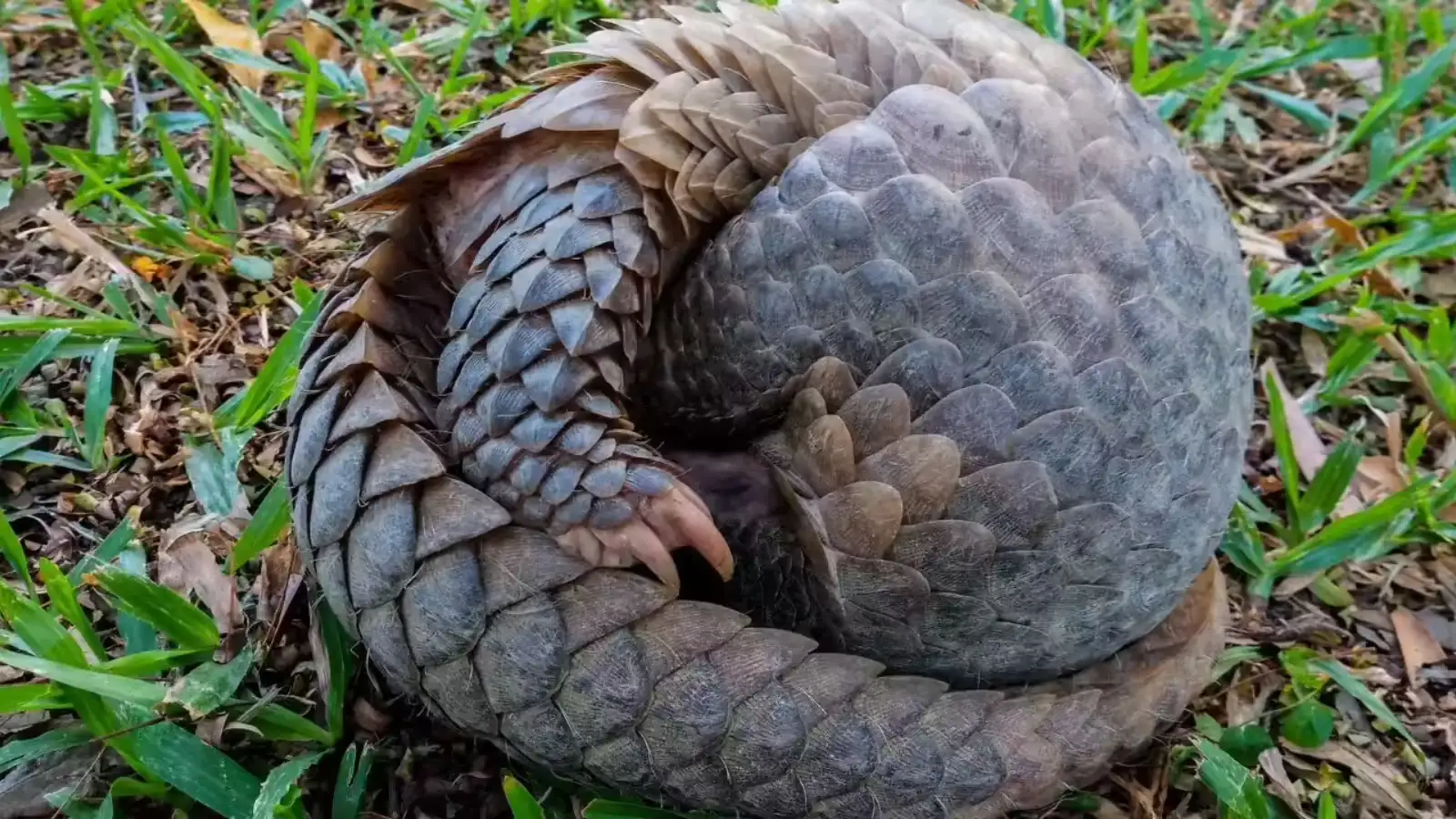
When exposed to harsh heat or freezing cold, tardigrades enter a cryptobiotic state, essentially shutting down most bodily functions, and revive when conditions improve. Their ability to survive such extremes makes them a true wonder of nature and a symbol of life's resilience.
Despite their ecological importance in controlling insect populations, aye-ayes face threats from superstition. Many local communities view them as harbingers of bad luck, contributing to their endangered status. Spotting an aye-aye requires a nighttime trip to Madagascar’s forests, where these mysterious creatures silently maintain the balance of their ecosystem.
These carnivorous creatures feed on worms, insects, and small fish. Sadly, due to habitat destruction and pollution, axolotls are critically endangered. Their plight highlights the urgent need for conservation to protect these living wonders and their fragile aquatic homes.
Despite their ecological importance, pangolins face severe threats from illegal wildlife trafficking and habitat loss, making them one of the most endangered mammals worldwide.
These four remarkable animals - tardigrades, aye-ayes, axolotls, and pangolins - remind us how much of the natural world remains mysterious and precious. Protecting them is not just about preserving species but about safeguarding the intricate web of life that sustains our planet. By learning more and spreading awareness, we can contribute to conserving these rare gems of nature for generations to come.
1. Tardigrade : The Indestructible Water Bear
Tardigrades, often called water bears, are tiny creatures measuring just 0.1 to 1.5 millimeters long, yet they are among the toughest lifeforms on the planet. Found everywhere - from soil and freshwater to icy environments - these resilient animals can survive extreme conditions that would be fatal to most organisms. Remarkably, tardigrades have even endured the vacuum and radiation of outer space during scientific experiments.When exposed to harsh heat or freezing cold, tardigrades enter a cryptobiotic state, essentially shutting down most bodily functions, and revive when conditions improve. Their ability to survive such extremes makes them a true wonder of nature and a symbol of life's resilience.
2. Aye-Aye: Madagascar’s Nocturnal Oddity
The aye-aye is a rare nocturnal lemur native exclusively to Madagascar, instantly recognizable by its large eyes, oversized ears, and a distinctive long, thin middle finger. This unusual finger is key to its unique hunting method: tapping on tree bark to locate insect larvae, then extracting them with precision.Despite their ecological importance in controlling insect populations, aye-ayes face threats from superstition. Many local communities view them as harbingers of bad luck, contributing to their endangered status. Spotting an aye-aye requires a nighttime trip to Madagascar’s forests, where these mysterious creatures silently maintain the balance of their ecosystem.
3. Axolotl: The Regenerating Aquatic Marvel
Native to Mexico’s lakes, the axolotl is a charming amphibian famed for its extraordinary regenerative abilities. Unlike most animals, axolotls can regrow lost limbs, tail, and even vital organs like parts of the brain and heart—a trait that fascinates scientists worldwide.These carnivorous creatures feed on worms, insects, and small fish. Sadly, due to habitat destruction and pollution, axolotls are critically endangered. Their plight highlights the urgent need for conservation to protect these living wonders and their fragile aquatic homes.
4. Pangolin: The Armoured Insectivore
Pangolins, found in select regions across Africa and Asia, are shy, solitary mammals known for their tough, overlapping scales made of keratin. When threatened, pangolins curl into tight balls, using their scales as armor against predators. They possess long, sticky tongues specially adapted for feasting on ants and termites, playing a vital role in controlling insect populations.Despite their ecological importance, pangolins face severe threats from illegal wildlife trafficking and habitat loss, making them one of the most endangered mammals worldwide.
These four remarkable animals - tardigrades, aye-ayes, axolotls, and pangolins - remind us how much of the natural world remains mysterious and precious. Protecting them is not just about preserving species but about safeguarding the intricate web of life that sustains our planet. By learning more and spreading awareness, we can contribute to conserving these rare gems of nature for generations to come.
Next Story