
5 Iconic Toonami Anime That Defined a Generation of Fans

Before streaming platforms made anime widely accessible, cable television introduced countless viewers to Japanese animation. Cartoon Network played an important role in that journey, bringing popular series into homes through its regular programming and its late-night block, Toonami. Launched in March 1997, Toonami helped introduce audiences to a growing range of anime adventures, from high-energy battles to character-driven stories.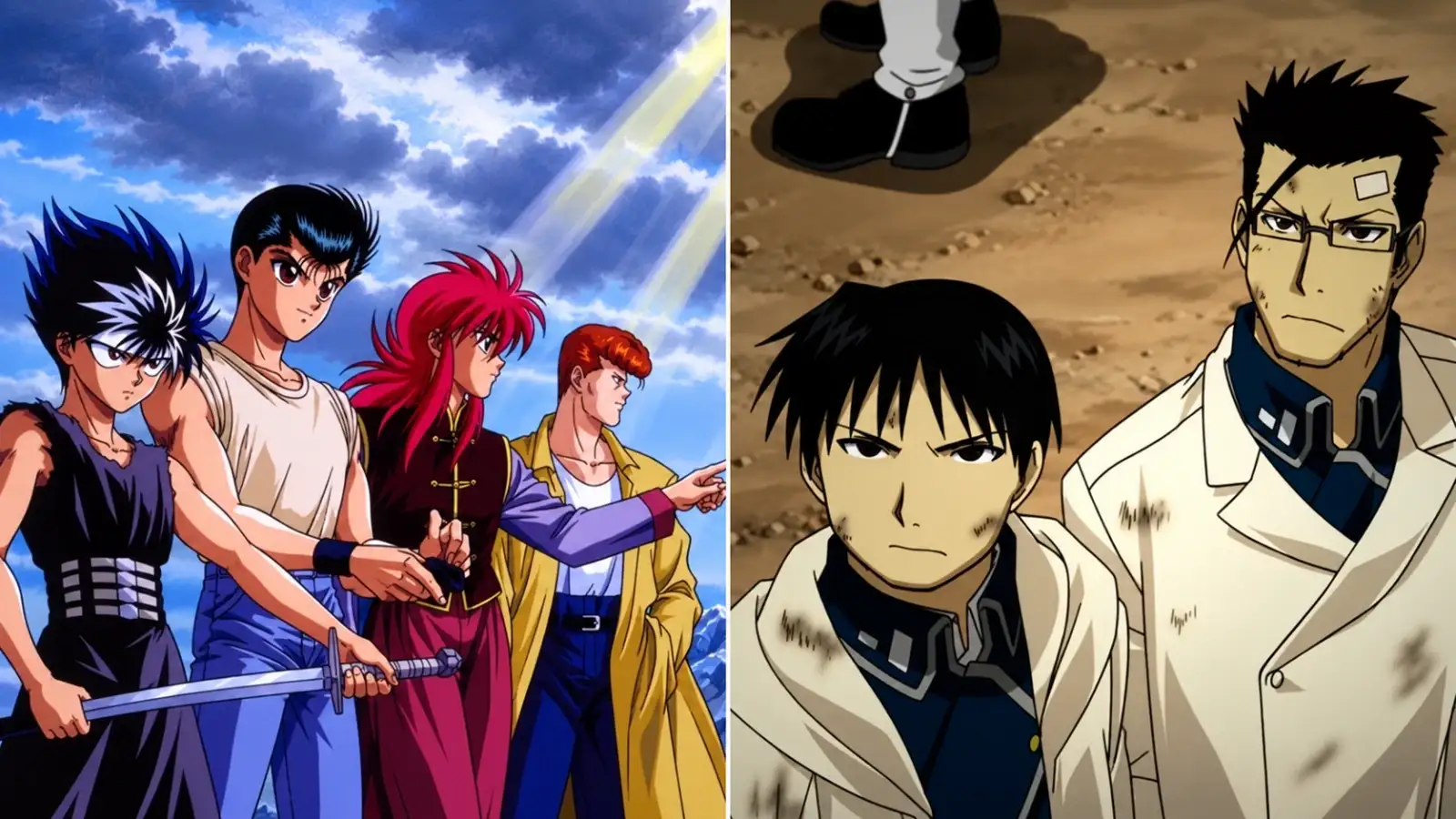
Several series associated with this era became lasting favourites. Their appeal goes beyond childhood memories, with memorable characters, distinctive animation and themes that continue to connect with audiences. From magical heroines and supernatural detectives to alchemy and samurai adventures, these five anime demonstrate why Toonami’s classic line-up remains worth revisiting.
What begins as an unusual premise develops into a story about personal growth, self-worth and redemption. Yusuke is not introduced as a conventional hero. His rough behaviour and troubled outlook make his development more compelling as he gradually discovers what matters to him.
The supporting characters also add depth to the series, including rivals and antagonists whose motivations extend beyond simple good-versus-evil conflicts. Its tournament arcs and supernatural battles helped establish its reputation among action anime fans.
Even years after its original run, Yu Yu Hakusho remains memorable for combining exciting fights with meaningful character development.
Goku’s strength is not simply presented as a gift. His relentless training under experienced martial artists and his willingness to face stronger opponents are central to his development. Despite the escalating threats, his optimism and compassion remain defining qualities.
The series also gives supporting characters opportunities to change, struggle and seek redemption. These personal journeys help balance its dramatic battles and memorable power-ups.
Akira Toriyama’s Dragon Ball franchise has influenced generations of shonen creators, with its impact visible in the genre’s emphasis on training, rivalries, transformation and perseverance. For many viewers, Dragon Ball Z remains a defining anime experience, combining straightforward adventure with themes of resilience and self-improvement.
Determined to restore what they have lost, the brothers search for the Philosopher’s Stone. Their journey across Amestris gradually reveals a much larger conflict involving military secrets, political conspiracies and mysterious beings known as Homunculi.
The series stands out for the way it connects its fantasy premise with questions about sacrifice, responsibility, war and the consequences of human ambition. Edward and Alphonse remain central to the story, but the supporting cast also receives substantial development.
Released in 2009, Fullmetal Alchemist: Brotherhood adapts the manga’s storyline and delivers a complete narrative. Its carefully connected plot, emotional turning points and satisfying conclusion make it an especially rewarding series to revisit.
Although the story features supernatural enemies and dramatic battles, friendship is just as important as fighting. Usagi and the other Sailor Guardians have distinct personalities, make mistakes and support one another through difficult situations. Their relationships show that empathy and cooperation can be forms of strength.
Usagi’s character is particularly memorable because she is not always confident or disciplined. Her willingness to care for others, even when facing powerful enemies, becomes one of her greatest qualities.
The series helped establish the appeal of the magical girl genre for a broad international audience. Its blend of transformation sequences, emotional storytelling and female friendship continues to influence how viewers remember classic anime.
The three travellers have sharply contrasting personalities. Mugen is impulsive and unpredictable, Jin is disciplined and reserved, while Fuu often acts as the force keeping the group together. Their differences create both conflict and humour as the journey unfolds.
One of the series’ defining features is its combination of historical settings with hip-hop music and contemporary cultural influences. The soundtrack, fluid fight choreography and unconventional visual style give the story an identity of its own.
Beneath the action, the series explores individuality, belonging and the experiences of people living outside society’s expectations. Its willingness to experiment with sound, style and storytelling makes Samurai Champloo stand out among anime from the 2000s.
Their lasting appeal comes from more than nostalgia. Each series offers memorable characters, strong themes and a creative approach that continues to attract new viewers. For anyone interested in the anime that helped shape a generation of fans, these classics remain worthwhile additions to a watchlist.
Several series associated with this era became lasting favourites. Their appeal goes beyond childhood memories, with memorable characters, distinctive animation and themes that continue to connect with audiences. From magical heroines and supernatural detectives to alchemy and samurai adventures, these five anime demonstrate why Toonami’s classic line-up remains worth revisiting.
1. Yu Yu Hakusho Delivers a Powerful Story of Redemption
Yu Yu Hakusho opens with an unexpected event when rebellious teenager Yusuke Urameshi dies after saving a child. His death surprises the Spirit World, which had not expected him to sacrifice himself. Given an opportunity to return to life, Yusuke eventually becomes a Spirit Detective, investigating supernatural threats that cross into the human world.What begins as an unusual premise develops into a story about personal growth, self-worth and redemption. Yusuke is not introduced as a conventional hero. His rough behaviour and troubled outlook make his development more compelling as he gradually discovers what matters to him.
The supporting characters also add depth to the series, including rivals and antagonists whose motivations extend beyond simple good-versus-evil conflicts. Its tournament arcs and supernatural battles helped establish its reputation among action anime fans.
Even years after its original run, Yu Yu Hakusho remains memorable for combining exciting fights with meaningful character development.
2. Dragon Ball Z Helped Shape Modern Shonen Anime
Few anime have achieved the cultural recognition of Dragon Ball Z. The series follows Son Goku and his allies as they face increasingly dangerous enemies, with battles that frequently push their physical abilities and determination to the limit.Goku’s strength is not simply presented as a gift. His relentless training under experienced martial artists and his willingness to face stronger opponents are central to his development. Despite the escalating threats, his optimism and compassion remain defining qualities.
The series also gives supporting characters opportunities to change, struggle and seek redemption. These personal journeys help balance its dramatic battles and memorable power-ups.
Akira Toriyama’s Dragon Ball franchise has influenced generations of shonen creators, with its impact visible in the genre’s emphasis on training, rivalries, transformation and perseverance. For many viewers, Dragon Ball Z remains a defining anime experience, combining straightforward adventure with themes of resilience and self-improvement.
3. Fullmetal Alchemist: Brotherhood Builds a Complete Fantasy Epic
Fullmetal Alchemist: Brotherhood follows brothers Edward and Alphonse Elric, whose attempt to bring their deceased mother back to life through forbidden human transmutation ends in tragedy. Edward loses limbs, while Alphonse loses his physical body and has his soul bound to a suit of armour.Determined to restore what they have lost, the brothers search for the Philosopher’s Stone. Their journey across Amestris gradually reveals a much larger conflict involving military secrets, political conspiracies and mysterious beings known as Homunculi.
The series stands out for the way it connects its fantasy premise with questions about sacrifice, responsibility, war and the consequences of human ambition. Edward and Alphonse remain central to the story, but the supporting cast also receives substantial development.
Released in 2009, Fullmetal Alchemist: Brotherhood adapts the manga’s storyline and delivers a complete narrative. Its carefully connected plot, emotional turning points and satisfying conclusion make it an especially rewarding series to revisit.
4. Sailor Moon Redefined the Magical Girl Adventure
When Sailor Moon reached Toonami in 1998, it introduced many viewers to a different kind of superhero story. The series follows Usagi Tsukino, an ordinary schoolgirl who discovers that she can transform into Sailor Moon, a magical guardian tasked with protecting the world.Although the story features supernatural enemies and dramatic battles, friendship is just as important as fighting. Usagi and the other Sailor Guardians have distinct personalities, make mistakes and support one another through difficult situations. Their relationships show that empathy and cooperation can be forms of strength.
Usagi’s character is particularly memorable because she is not always confident or disciplined. Her willingness to care for others, even when facing powerful enemies, becomes one of her greatest qualities.
The series helped establish the appeal of the magical girl genre for a broad international audience. Its blend of transformation sequences, emotional storytelling and female friendship continues to influence how viewers remember classic anime.
5. Samurai Champloo Blends Samurai Action With Hip-Hop Culture
Samurai Champloo offers a distinctive alternative to traditional historical anime. Created by Shinichiro Watanabe, the series is set in an imaginative version of Edo-period Japan and follows Fuu, Mugen and Jin on a journey to find a mysterious samurai who smells of sunflowers.The three travellers have sharply contrasting personalities. Mugen is impulsive and unpredictable, Jin is disciplined and reserved, while Fuu often acts as the force keeping the group together. Their differences create both conflict and humour as the journey unfolds.
One of the series’ defining features is its combination of historical settings with hip-hop music and contemporary cultural influences. The soundtrack, fluid fight choreography and unconventional visual style give the story an identity of its own.
Beneath the action, the series explores individuality, belonging and the experiences of people living outside society’s expectations. Its willingness to experiment with sound, style and storytelling makes Samurai Champloo stand out among anime from the 2000s.
Why These Toonami Classics Still Matter
These five anime demonstrate the variety that made Toonami memorable. Sailor Moon explores friendship and empowerment, Dragon Ball Z celebrates perseverance, and Yu Yu Hakusho builds its supernatural battles around personal growth. Fullmetal Alchemist: Brotherhood offers a tightly connected fantasy narrative, while Samurai Champloo combines historical adventure with a distinctive musical identity.Their lasting appeal comes from more than nostalgia. Each series offers memorable characters, strong themes and a creative approach that continues to attract new viewers. For anyone interested in the anime that helped shape a generation of fans, these classics remain worthwhile additions to a watchlist.
Next Story