
5 Cosmetic Skin Procedures Brides Book Before a Wedding and Their Healing Times


A wedding date is a hard deadline, and skin procedures do not negotiate with calendars. The gap between the last session and the ceremony is not a buffer for extra glow, it is the window your skin needs to finish healing. Compress it and you risk showing up with redness, peeling, or swelling that no foundation covers. These five procedures appear on most pre-bridal skin plans, and each one has a non-negotiable recovery window that should shape when you book, not the other way around.
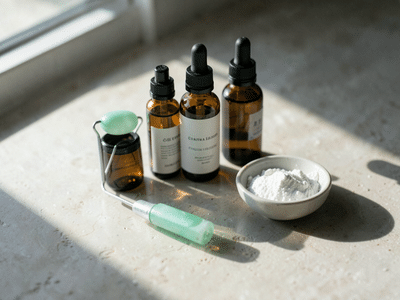
Chemical PeelA superficial peel using glycolic or lactic acid causes visible flaking for three to seven days. A medium-depth peel, trichloroacetic acid at higher concentrations, can mean seven to fourteen days of peeling, redness, and sensitivity before the skin settles. The new skin underneath is brighter, but it is also temporarily more reactive to sun and heat.
Book a superficial peel no closer than three weeks before the wedding. A medium-depth peel needs a minimum of six weeks. Anyone with a history of post-inflammatory hyperpigmentation, which is common in deeper Indian skin tones, should discuss the risk of darkening after peeling with a dermatologist before committing to any concentration above superficial.
 Preparing for pre-wedding skin treatments. This delicate setup hints at careful preparation and rejuvenation.
Laser Skin ResurfacingFractional laser resurfacing, devices such as Fraxel or CO2 lasers, creates thousands of controlled micro-injuries across the skin surface to stimulate collagen. The trade-off is a recovery period of five to ten days for non-ablative fractional treatment and up to three weeks for ablative resurfacing, during which the skin is red, swollen, and peeling.
The Indian Dermatology Online Journal has documented higher rates of post-inflammatory hyperpigmentation after ablative laser in Fitzpatrick skin types IV through VI, which covers a significant portion of South Asian brides. This is not a reason to avoid laser; it is a reason to have an honest conversation with a board-certified dermatologist about which device, which energy setting, and which timing is appropriate for your specific skin. Book ablative resurfacing at least eight weeks before the wedding. Non-ablative fractional treatment needs a minimum of four weeks.
MicroneedlingMicroneedling uses a device with fine needles to create micro-channels in the skin, triggering a wound-healing response that improves texture and mild scarring over time. Redness and mild swelling typically resolve within twenty-four to seventy-two hours. Some people experience pinpoint bleeding immediately after the session, which clears by the next day.
Of the five procedures here, microneedling has the shortest visible recovery window, which makes it the most forgiving for a pre-wedding timeline. Most dermatologists recommend a course of three sessions spaced four weeks apart for visible improvement, which means the planning window still opens at least three months before the date. A single session for maintenance can be booked four weeks out. Anyone on isotretinoin or with active acne should not undergo microneedling; a dermatologist can advise on the appropriate waiting period after stopping the medication.
 Exploring pre-wedding skin treatments with this clear serum. Essential for bridal skin care.
HydraFacialA HydraFacial is a multi-step mechanical treatment that combines cleansing, exfoliation, extraction, and hydration in a single session. There is no true downtime, most people return to normal activity the same day. Some temporary redness or mild sensitivity can appear for a few hours after the extraction step, particularly in sensitive skin.
Because the procedure causes no significant inflammation, it can be booked closer to the wedding than any other treatment on this list. One to two weeks before the ceremony is a reasonable window. Going closer than a week carries a small risk of a reaction in sensitive skin that would not have time to fully settle. A HydraFacial is not a substitute for a medical-grade procedure if the skin concern is significant; it is a finishing and hydration step, not a corrective treatment.
Dermal FillersHyaluronic acid fillers, used to add volume to the cheeks, lips, or under-eye area, carry a recovery window that is often underestimated. Swelling and bruising at injection sites are common and can last five to fourteen days. In some cases, particularly around the lips and under the eyes, swelling peaks at forty-eight hours before gradually resolving.
The minimum safe booking window is four weeks before the wedding, which allows time for swelling to fully resolve and for any asymmetry to be assessed and corrected if needed. Fillers placed by an unqualified practitioner carry risks, vascular occlusion being the most serious, that are not timing problems but safety problems. This is a procedure that requires a qualified medical professional, and the credential matters more than the price. Anyone on blood thinners or with a history of cold sores near the treatment area should discuss this with the practitioner before the appointment.
The common thread across all five is that the skin does not perform on demand. Each of these procedures works by provoking a controlled response, exfoliation, injury, or volume change, and the visible result comes after the response settles, not during it. A realistic pre-wedding skin plan works backward from the ceremony date, not forward from the desire for a result.
Chemical PeelA superficial peel using glycolic or lactic acid causes visible flaking for three to seven days. A medium-depth peel, trichloroacetic acid at higher concentrations, can mean seven to fourteen days of peeling, redness, and sensitivity before the skin settles. The new skin underneath is brighter, but it is also temporarily more reactive to sun and heat.
Book a superficial peel no closer than three weeks before the wedding. A medium-depth peel needs a minimum of six weeks. Anyone with a history of post-inflammatory hyperpigmentation, which is common in deeper Indian skin tones, should discuss the risk of darkening after peeling with a dermatologist before committing to any concentration above superficial.
Laser Skin ResurfacingFractional laser resurfacing, devices such as Fraxel or CO2 lasers, creates thousands of controlled micro-injuries across the skin surface to stimulate collagen. The trade-off is a recovery period of five to ten days for non-ablative fractional treatment and up to three weeks for ablative resurfacing, during which the skin is red, swollen, and peeling.
The Indian Dermatology Online Journal has documented higher rates of post-inflammatory hyperpigmentation after ablative laser in Fitzpatrick skin types IV through VI, which covers a significant portion of South Asian brides. This is not a reason to avoid laser; it is a reason to have an honest conversation with a board-certified dermatologist about which device, which energy setting, and which timing is appropriate for your specific skin. Book ablative resurfacing at least eight weeks before the wedding. Non-ablative fractional treatment needs a minimum of four weeks.
MicroneedlingMicroneedling uses a device with fine needles to create micro-channels in the skin, triggering a wound-healing response that improves texture and mild scarring over time. Redness and mild swelling typically resolve within twenty-four to seventy-two hours. Some people experience pinpoint bleeding immediately after the session, which clears by the next day.
Of the five procedures here, microneedling has the shortest visible recovery window, which makes it the most forgiving for a pre-wedding timeline. Most dermatologists recommend a course of three sessions spaced four weeks apart for visible improvement, which means the planning window still opens at least three months before the date. A single session for maintenance can be booked four weeks out. Anyone on isotretinoin or with active acne should not undergo microneedling; a dermatologist can advise on the appropriate waiting period after stopping the medication.
HydraFacialA HydraFacial is a multi-step mechanical treatment that combines cleansing, exfoliation, extraction, and hydration in a single session. There is no true downtime, most people return to normal activity the same day. Some temporary redness or mild sensitivity can appear for a few hours after the extraction step, particularly in sensitive skin.
Because the procedure causes no significant inflammation, it can be booked closer to the wedding than any other treatment on this list. One to two weeks before the ceremony is a reasonable window. Going closer than a week carries a small risk of a reaction in sensitive skin that would not have time to fully settle. A HydraFacial is not a substitute for a medical-grade procedure if the skin concern is significant; it is a finishing and hydration step, not a corrective treatment.
Dermal FillersHyaluronic acid fillers, used to add volume to the cheeks, lips, or under-eye area, carry a recovery window that is often underestimated. Swelling and bruising at injection sites are common and can last five to fourteen days. In some cases, particularly around the lips and under the eyes, swelling peaks at forty-eight hours before gradually resolving.
The minimum safe booking window is four weeks before the wedding, which allows time for swelling to fully resolve and for any asymmetry to be assessed and corrected if needed. Fillers placed by an unqualified practitioner carry risks, vascular occlusion being the most serious, that are not timing problems but safety problems. This is a procedure that requires a qualified medical professional, and the credential matters more than the price. Anyone on blood thinners or with a history of cold sores near the treatment area should discuss this with the practitioner before the appointment.
The common thread across all five is that the skin does not perform on demand. Each of these procedures works by provoking a controlled response, exfoliation, injury, or volume change, and the visible result comes after the response settles, not during it. A realistic pre-wedding skin plan works backward from the ceremony date, not forward from the desire for a result.
Next Story