
5 Eco-Friendly Diwali Decorations That Look Beautiful and Last for Years

Diwali decorations bring warmth, colour and a festive charm to every home, but celebrating does not have to mean buying plastic lights, glittery hangings or disposable ornaments. Traditional Indian materials such as clay, flowers, rice flour, cotton fabric and recycled paper offer beautiful alternatives that are kinder to the environment. From hand-painted diyas to natural rangoli designs, these eco-friendly Diwali decoration ideas combine age-old traditions with simple, sustainable choices that make your home feel festive without creating unnecessary waste.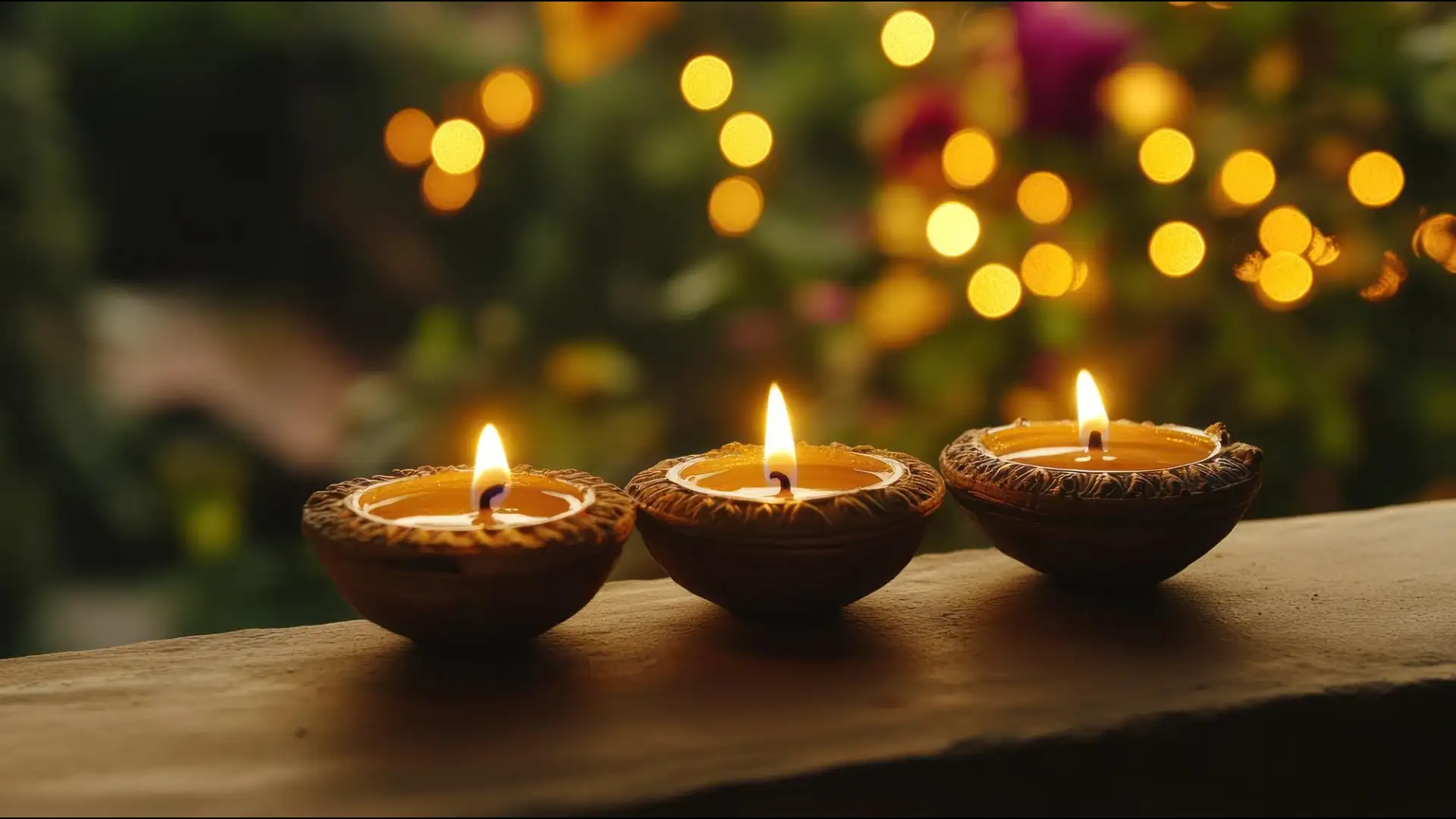
Terracotta Diya
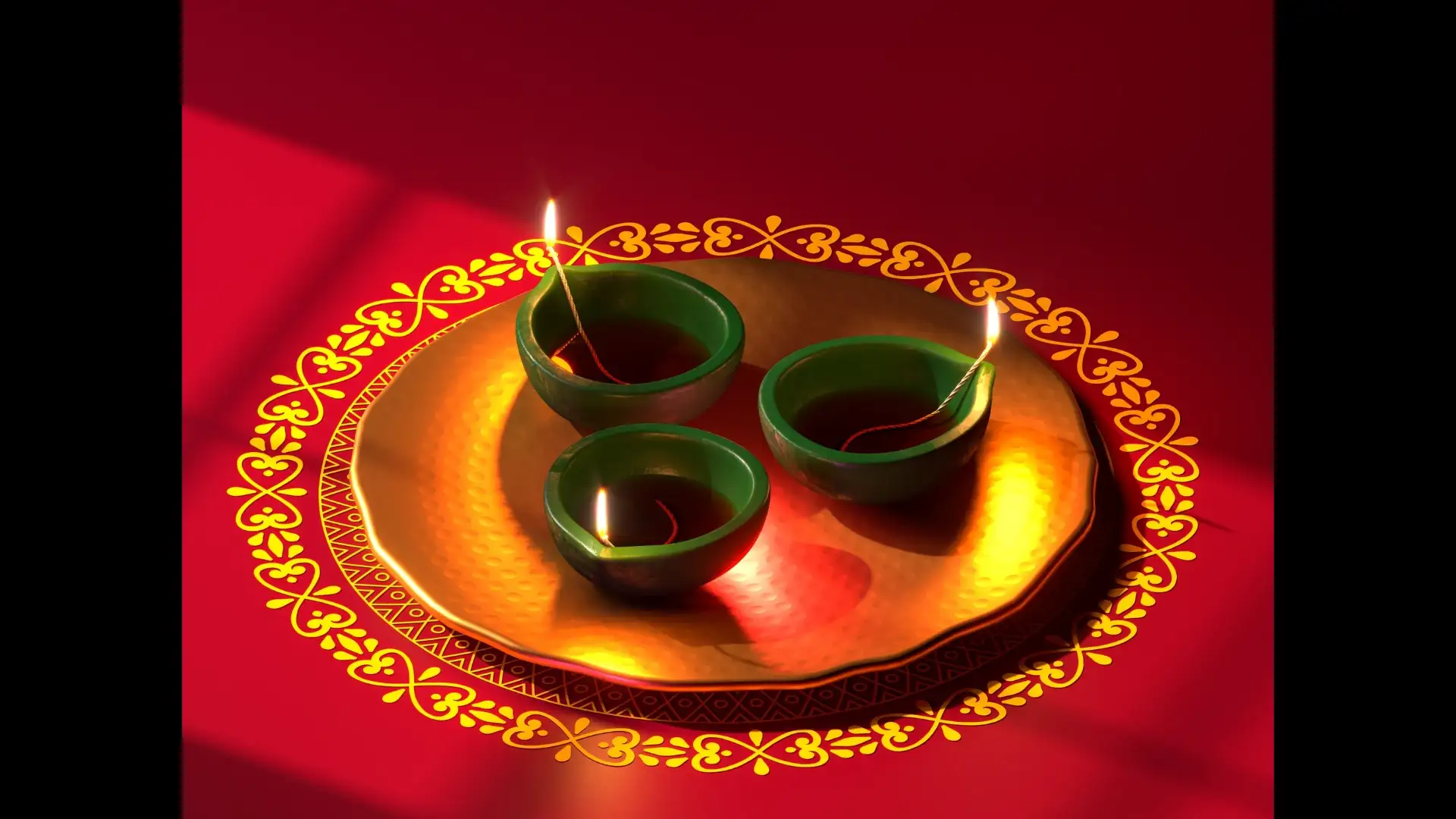
The terracotta diya is the oldest Diwali decoration still in daily use, and it holds that place for a reason. Unglazed clay is porous, which means the oil stays cooler and the flame burns longer and steadier than it does in a synthetic mould. A local kumhar's diyas cost almost nothing, and if you drop one, the shards go back into the earth. Paint them with natural pigments, turmeric yellow, indigo, or sindoor red mixed with a little water, and the decoration is both handmade and compostable. Store them wrapped in old newspaper after the festival and they last for several seasons.Rangoli Made from Rice Flour, Flowers, and Spices
The rangoli traditions of Maharashtra, Tamil Nadu, and Rajasthan all predate synthetic colours by centuries. Rice flour gives a clean white base. Turmeric, dried rose petals, marigold heads, and ground red chilli fill in the colours. The pattern washes away with the first rain or a bucket of water, leaving nothing behind that the soil cannot absorb. If you want the design to survive a few days of foot traffic near the door, press the petals gently into a thin bed of wet flour rather than scattering them loose. The marigold's natural oils help it hold colour for two to three days without any fixative.Fabric Torans and Cloth Banners
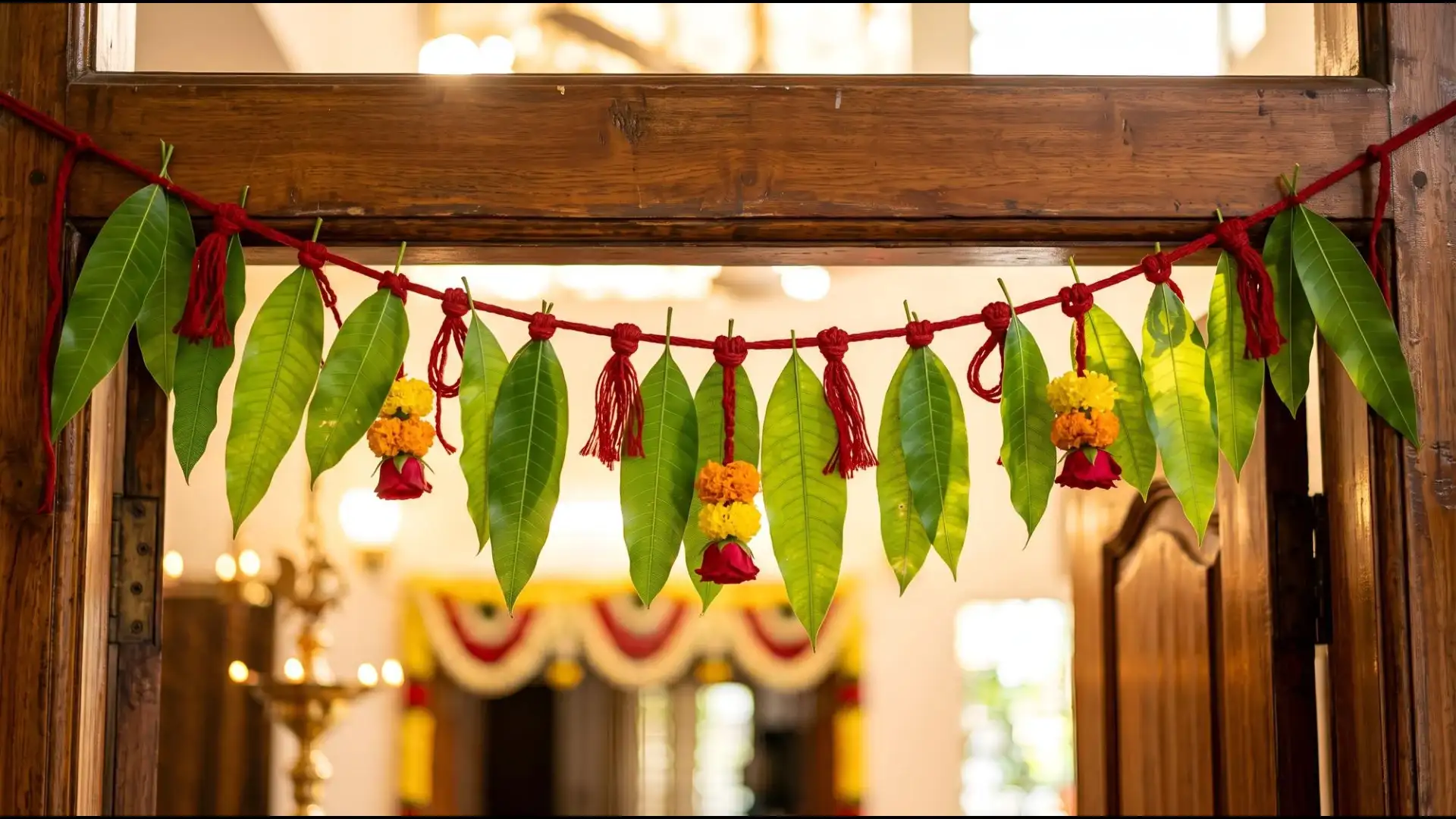
A toran, the decorative hanging strung across a doorframe, is one of the few Diwali decorations that improves with age. The plastic and foil versions shed glitter onto the floor and fray within a season. A toran stitched from cotton, silk offcuts, or old dupattas can be brought out every year, and the fabric softens into something that looks genuinely old and considered rather than bought in a hurry. Mango leaves, which are the traditional material, biodegrade cleanly and carry the specific green smell of a festival morning. String them fresh on cotton thread and the toran lasts the length of the celebration without any synthetic element at all.